
Granada is one of Nicaragua’s most important cities with a rich colonial heritage still visible today.
Prior to its foundation by the Spanish conquistadors in 1524, it had been a flourishing city for the indigenous peoples in this area. But soon after the arrival of the Spanish the city became one of the first European cities in mainland America.
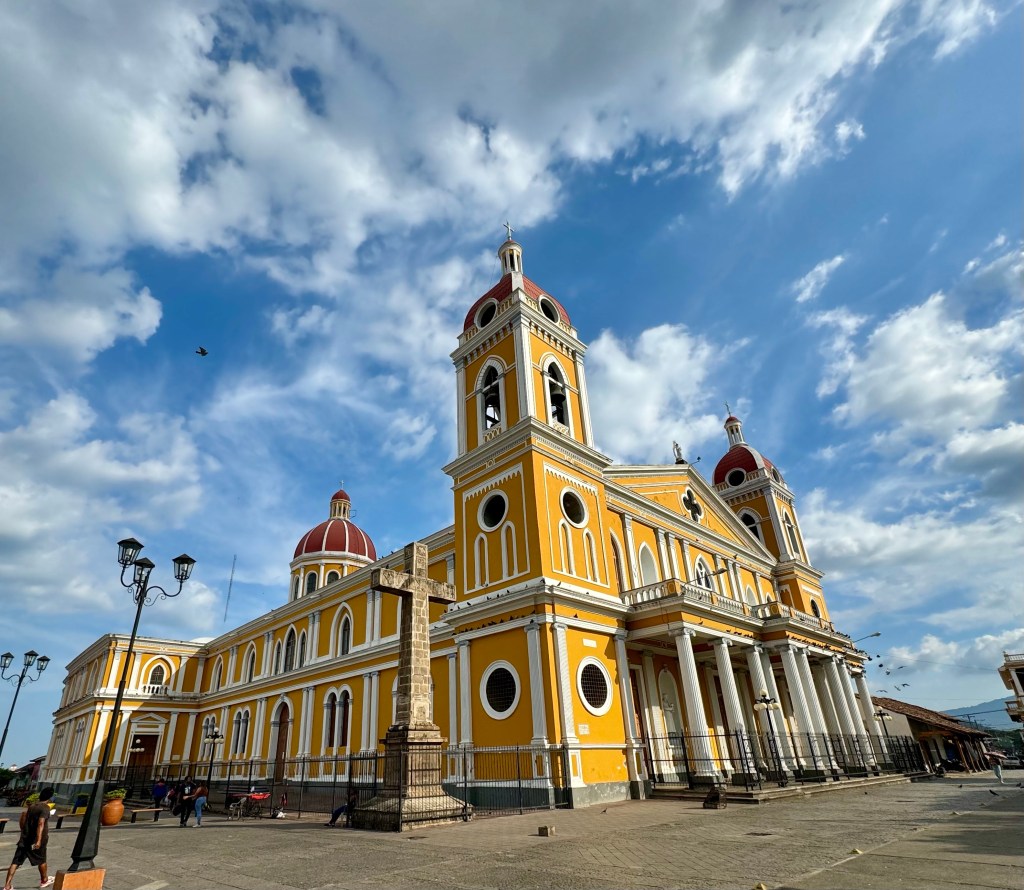
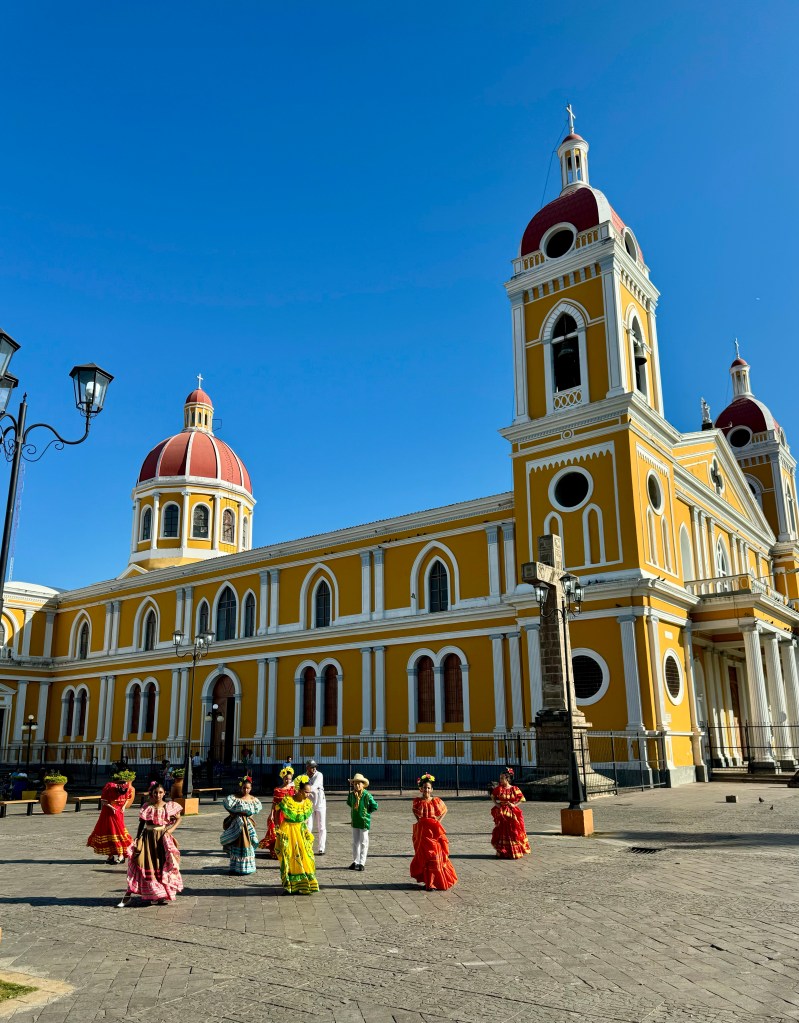
It’s colonial history is easily identified by the number of churches in the city!
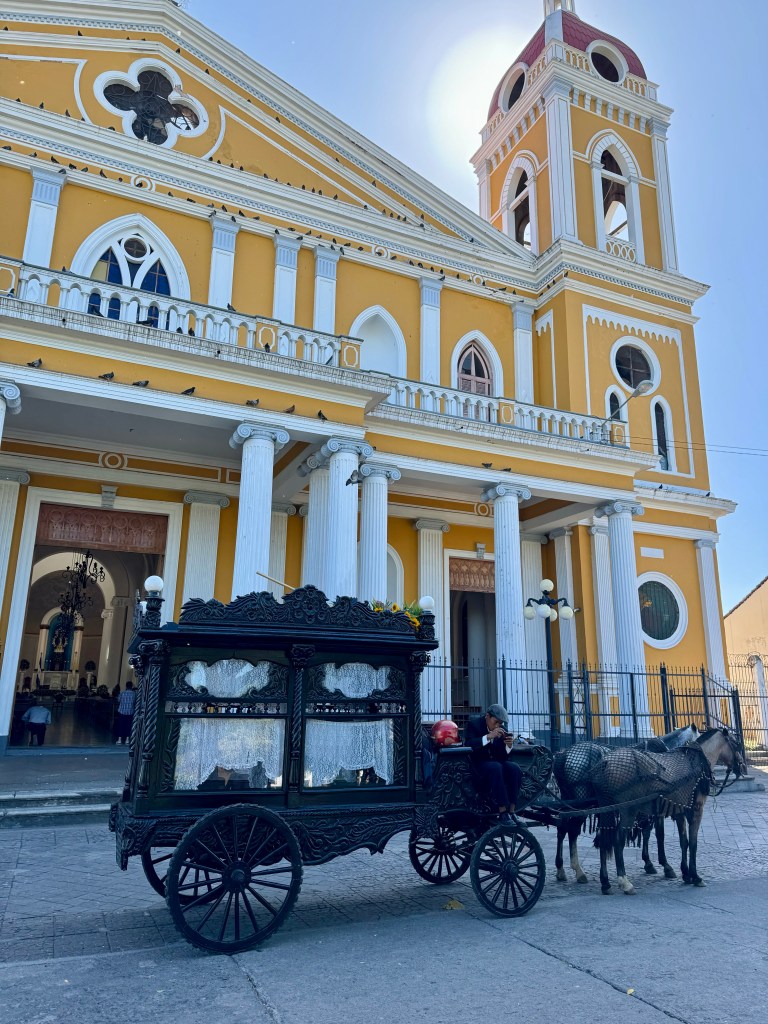
We happened to find this traditional horse drawn hearse attending a funeral at the Cathedral.
The two churches below show a blackened frontage, a vestige of an attempt to burn them down by the rogue American maverick and filibuster William Walker.
Walker’s aim was to take over Central America with his private army but was eventually chased out of the country only to be caught by the Royal Navy and handed over to Honduras who duly executed him.
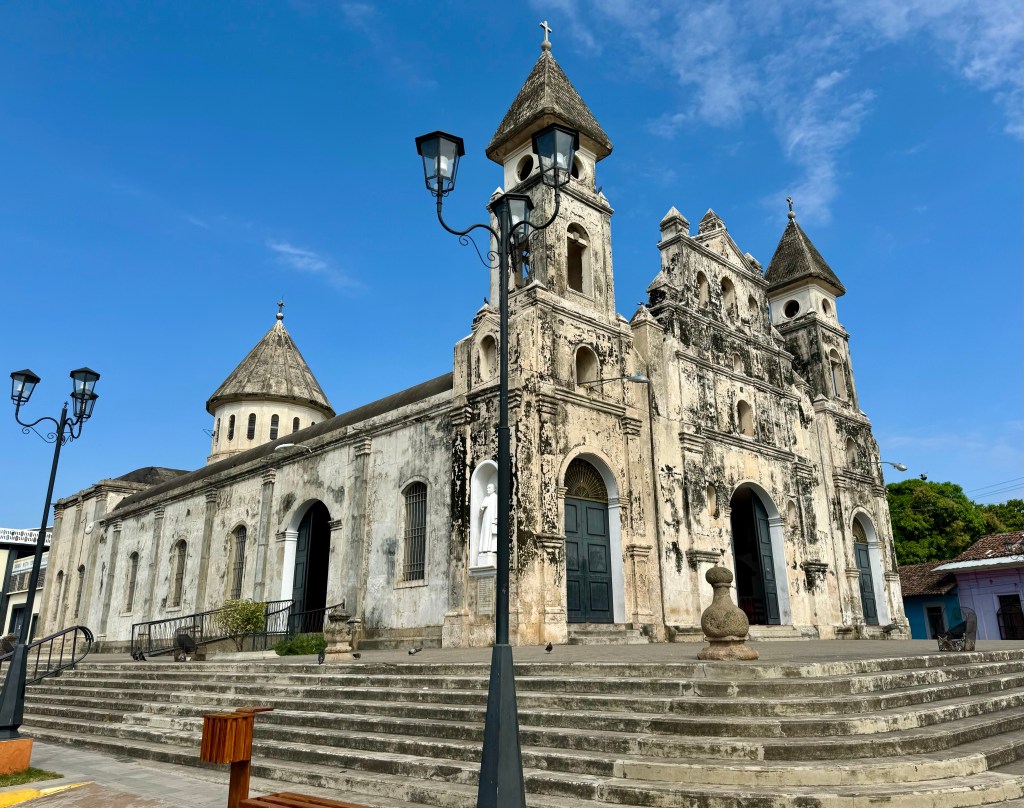


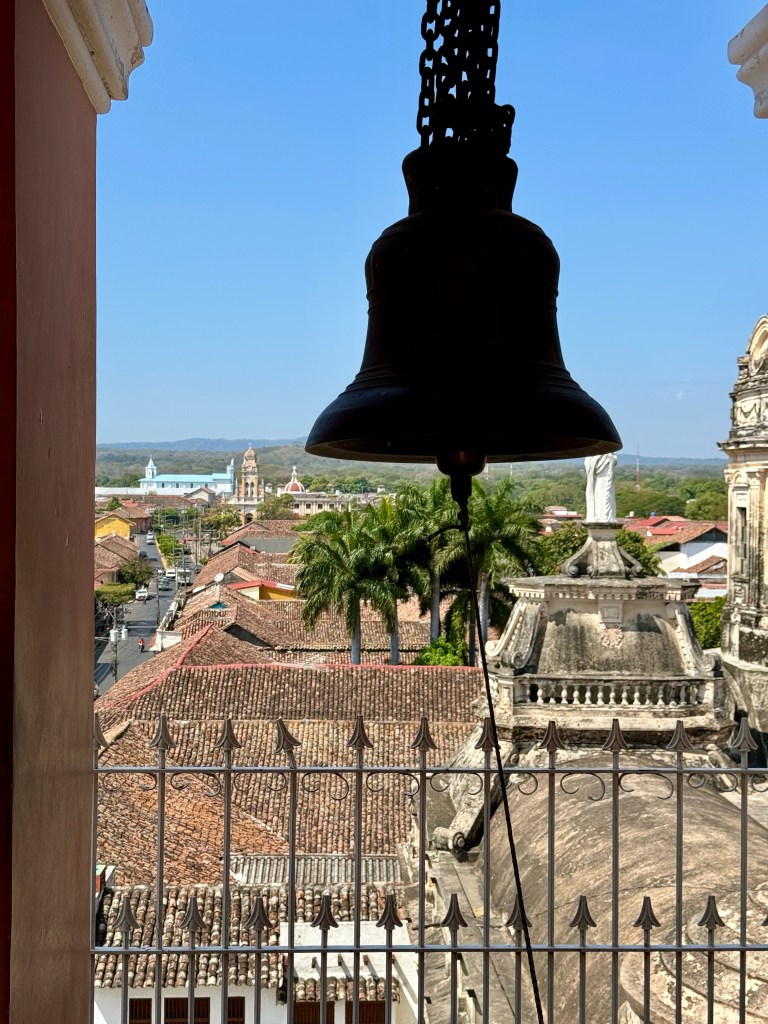
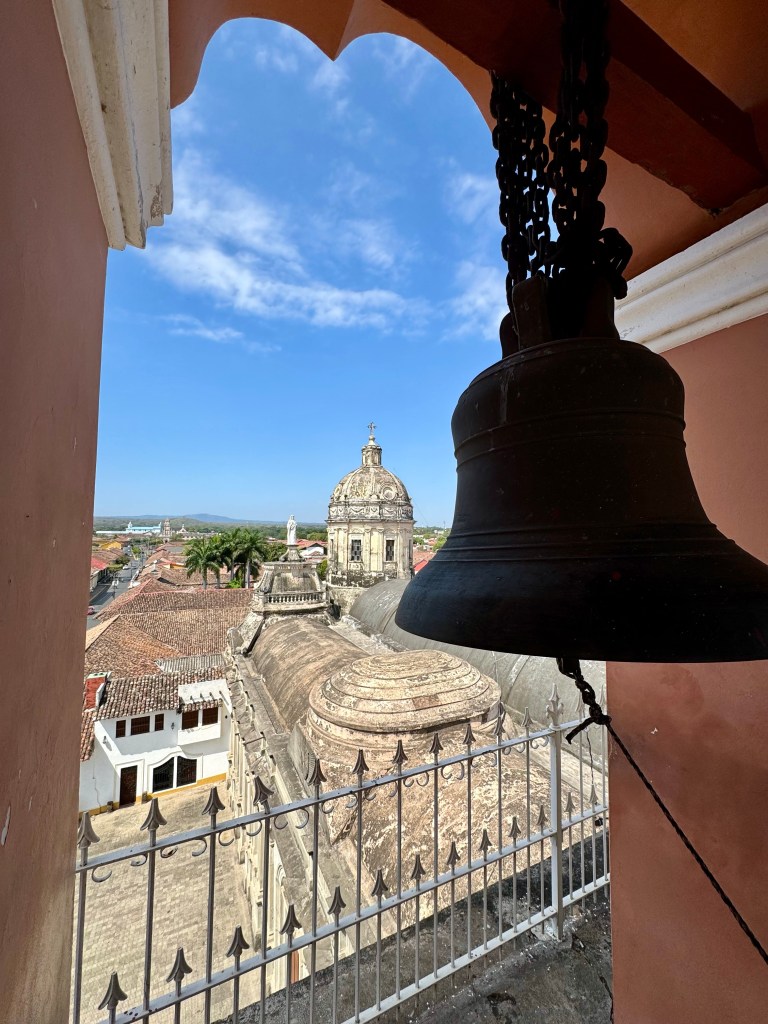
You can access the tower in the Church of the Mercy. It provides great views across the city.
As you climb the stairs you pass the church bell ropes with signs saying ‘Don’t Pull’, so very tempting but we obeyed!

A great way to see the city is via a horse drawn coach, choosing one where the horses look well looked after of course.

Whilst the city has not managed to fully preserve all of its colonial buildings there is still so much to be seen.


This rather decrepit building below was selling chopped wood.

This pet shop had an openly available feeder for passing dogs.
Whilst we did see a number of dogs wandering around, most looked fed and healthy, if not clearly owned.

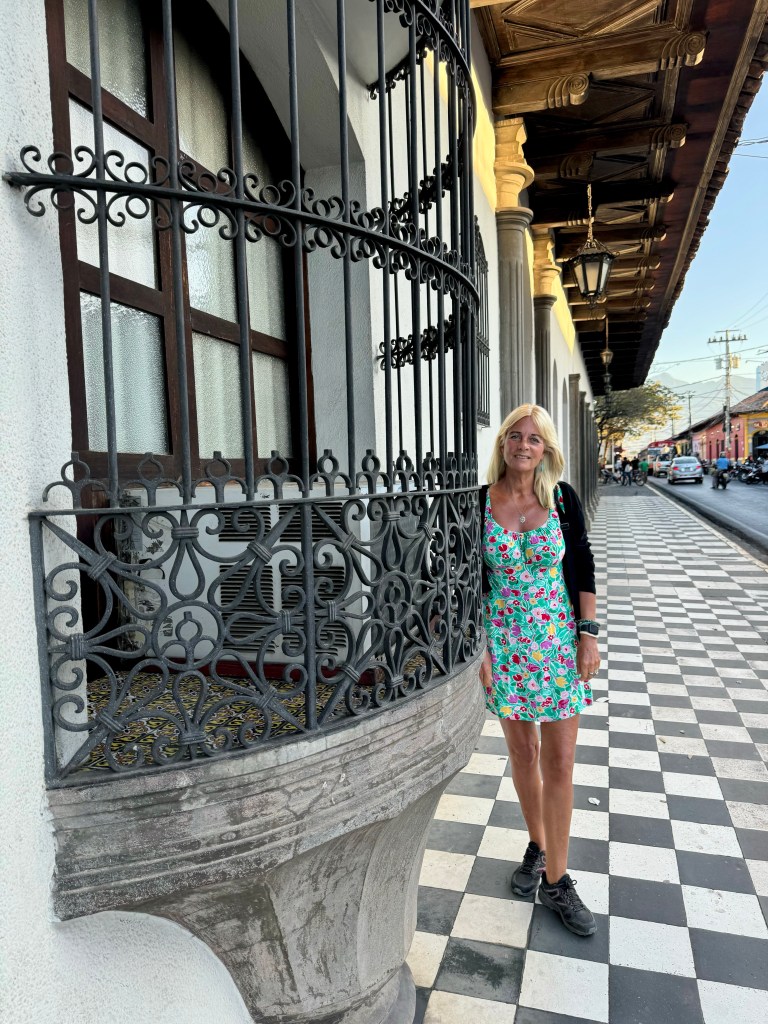
We saw these ornate bay window metal railings on some of the domestic properties, allowing for windows to be safely left open at night.
The now defunct railway station has since become a technical educational building. The railway equipment was sold for scrap some years ago.

The station building remains along with the old Presidential carriage and an impressive looking steam engine.


Getting around the country without a railway is pretty easy and there are coaches available at very low prices. There are also ‘Chicken Buses’, old US school buses now repurposed to carry the travelling public around.


We took a day trip out to Lake Apoyo, its a short ride out of town to a lagoon that sits in the caldera of an extinct volcano, warming the waters above it.
You can get low cost packages, including transport and day hosting at the hotels/hostels on the edges of the lagoon. It’s a nice day out from the city if you have the time.

We spent five nights in the city and stumbled across a number of open events near the Cathedral.

Lots of traditional costumes, music and dancing brought the city and it’s community to life at night.


There are a number of trips available from the city but a visit to the nearby Masaya Volcano is a must! Make sure you take the afternoon/sunset tour to see it at it’s most impressive.

The volcano has a number of craters but one, Santiago, is still active, constantly bellowing smoke.

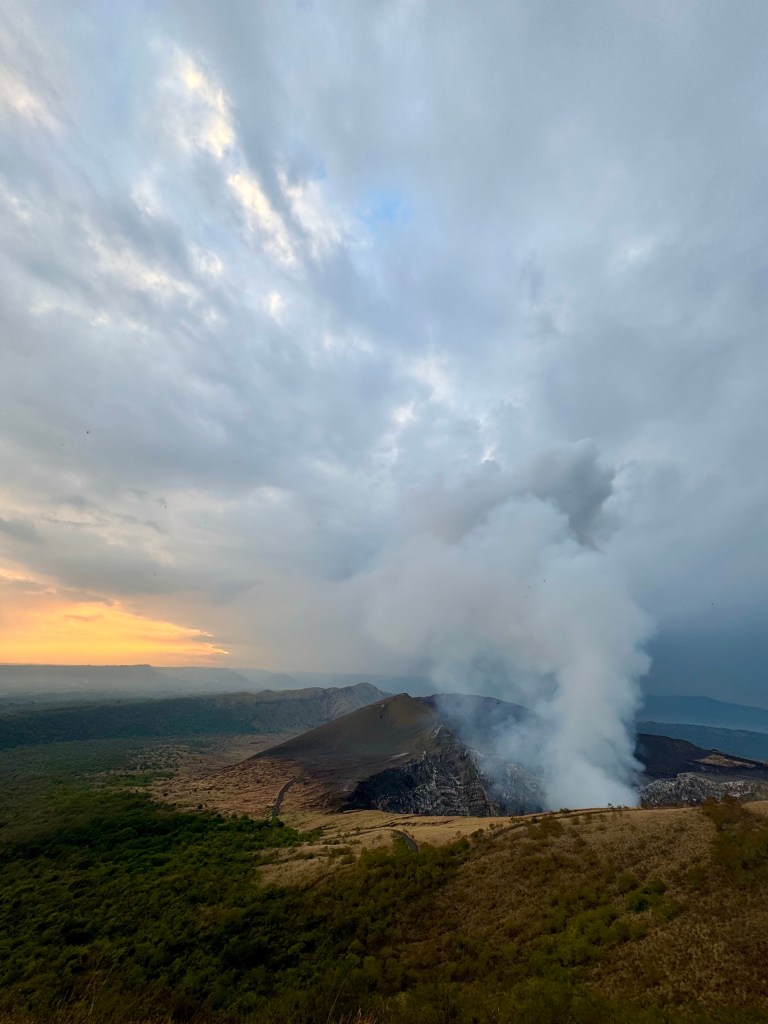
Climb a bit higher and you can see the Masaya Lagoon in the distance.

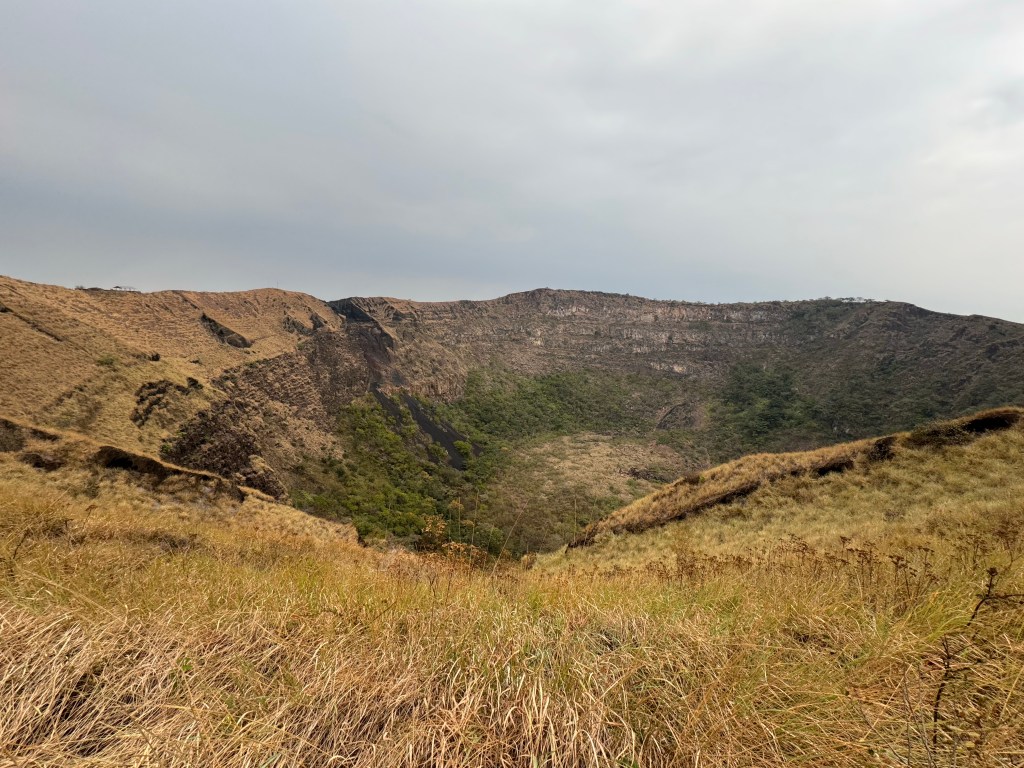
Below is the caldera of an inactive crater.
As the sun starts to set, the active crater reveals its hot underbelly, with visitors surrounding the walled edges of the viewing platforms trying to get the best view of it.

It can get quite busy so claim your spot early to avoid missing out on this extraordinary and captivating experience.

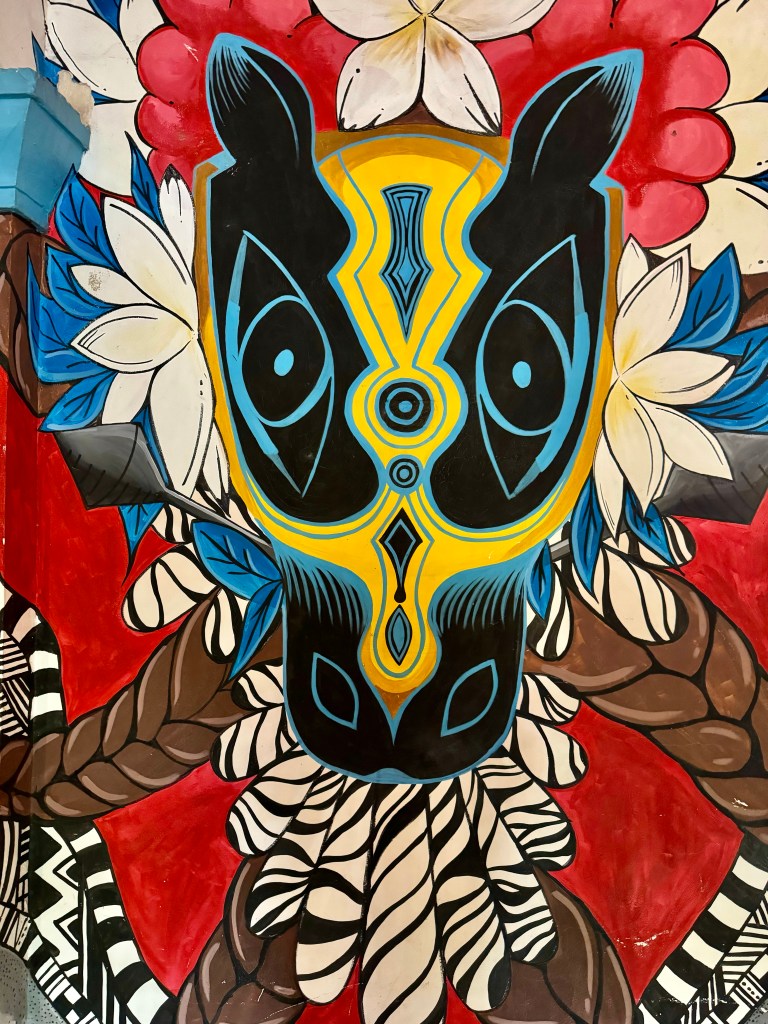
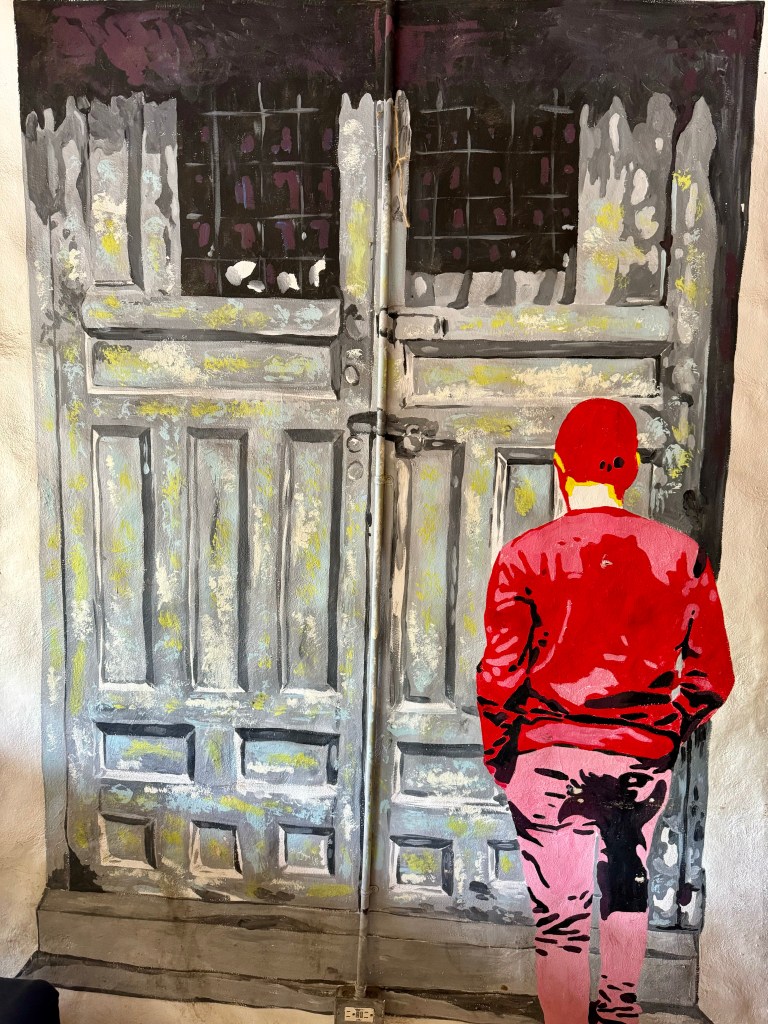
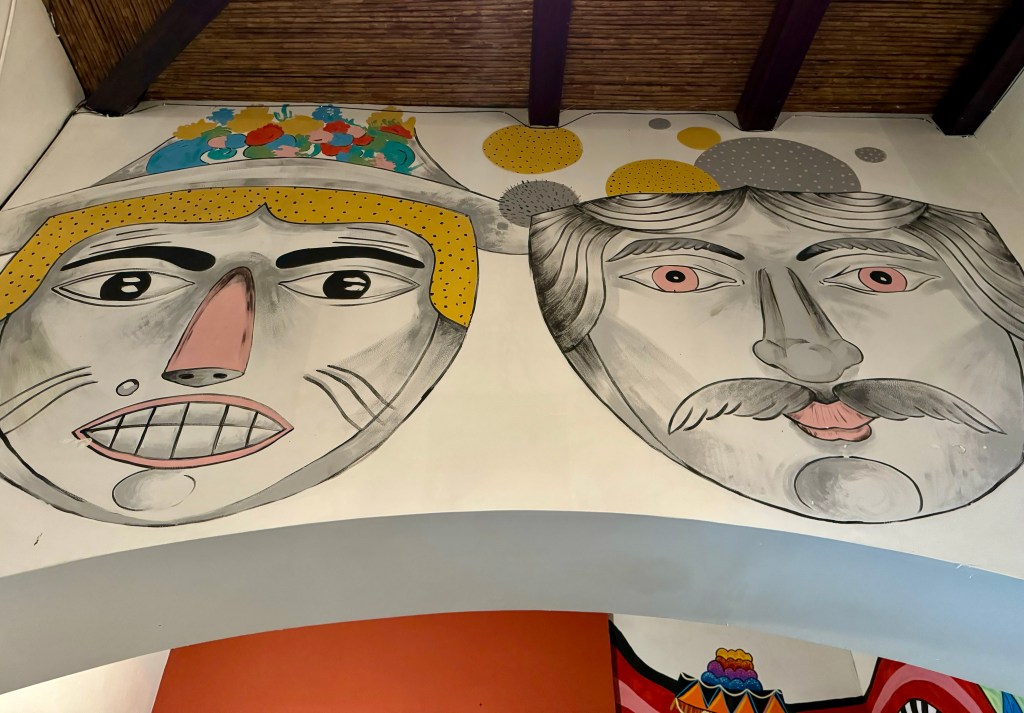
Finally, I end with some photos of the artwork from the walls of one of the hostels in the city that took my fancy!

We loved our time in Granada, next we head north to Leon.
 Jeff's Travel And Photo Blog
Great photo’s
LikeLiked by 1 person