After our 10 days trip to Kenya we arrived in Kigali, Rwanda’s capital city. A city of under 2 million inhabitants.
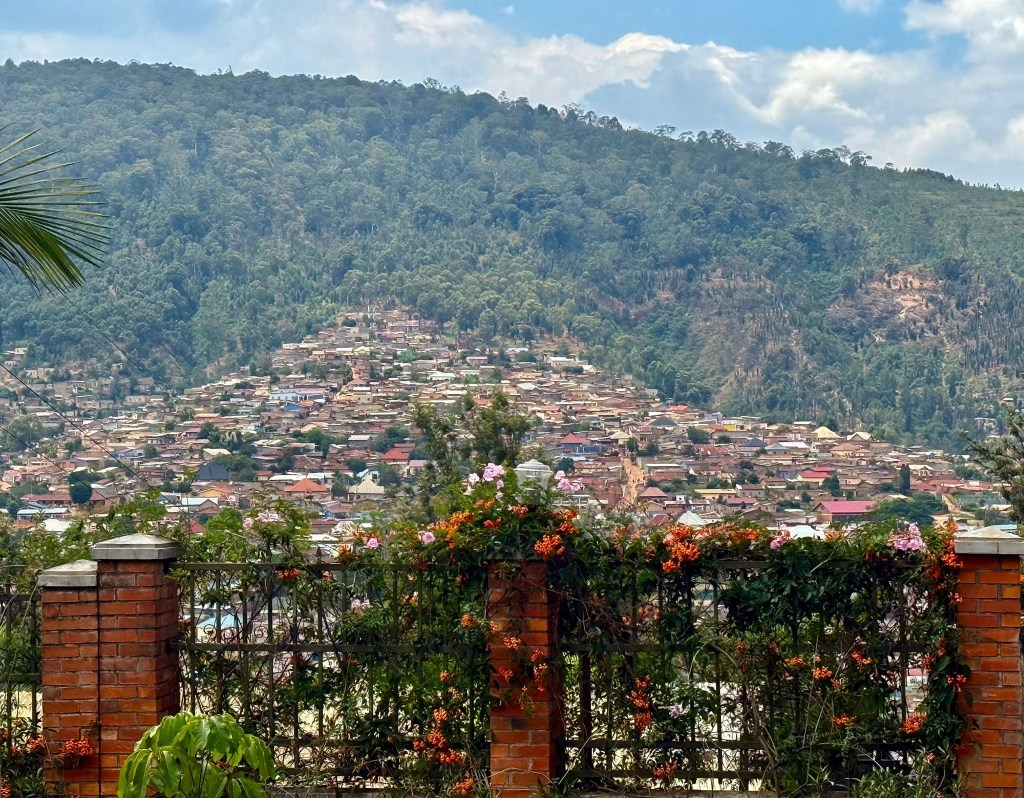
We drove from the airport to our hotel on busy but tarmac roads and quickly sensed a difference from our time in Kenya.
The city sits in a valley surrounded by hills as is much of this country of a ‘thousand hills’.
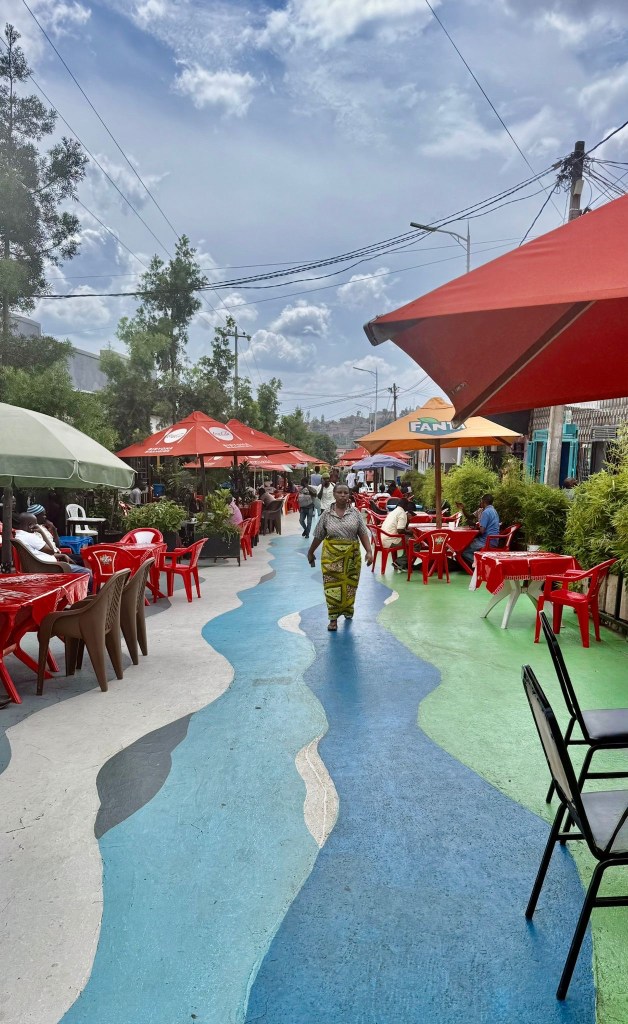
For our first day we arranged a walking tour with a young local man called Jerry. We were surprised that walking here was relatively safe after many warnings in Kenya of the dangers of doing the same.
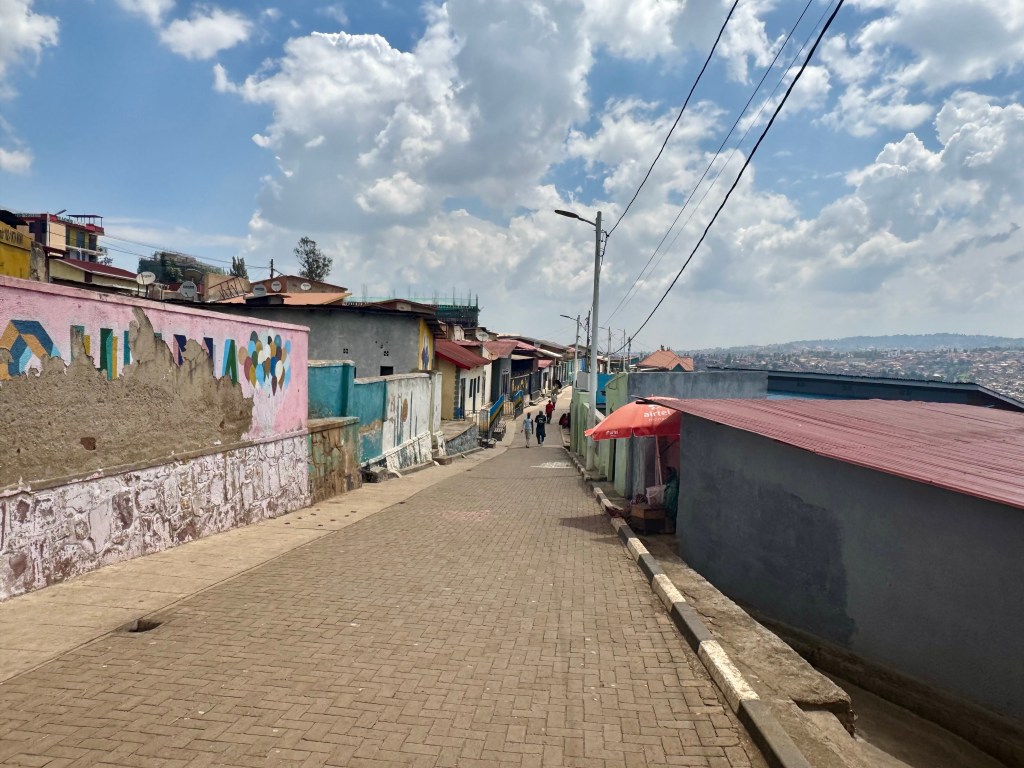
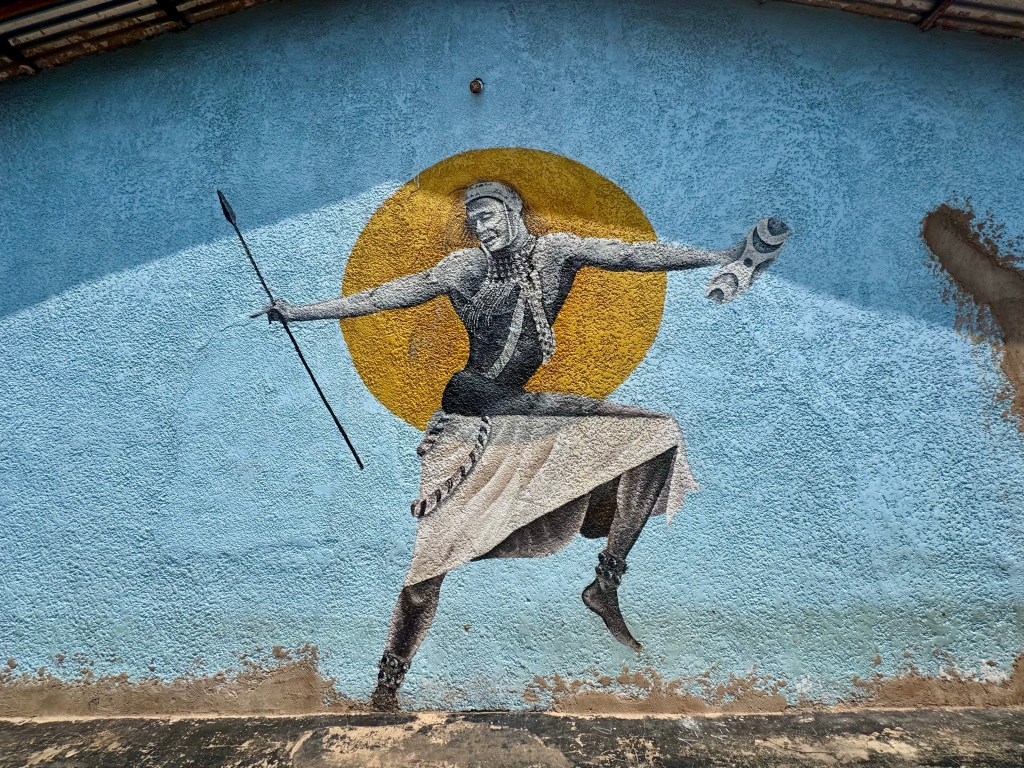
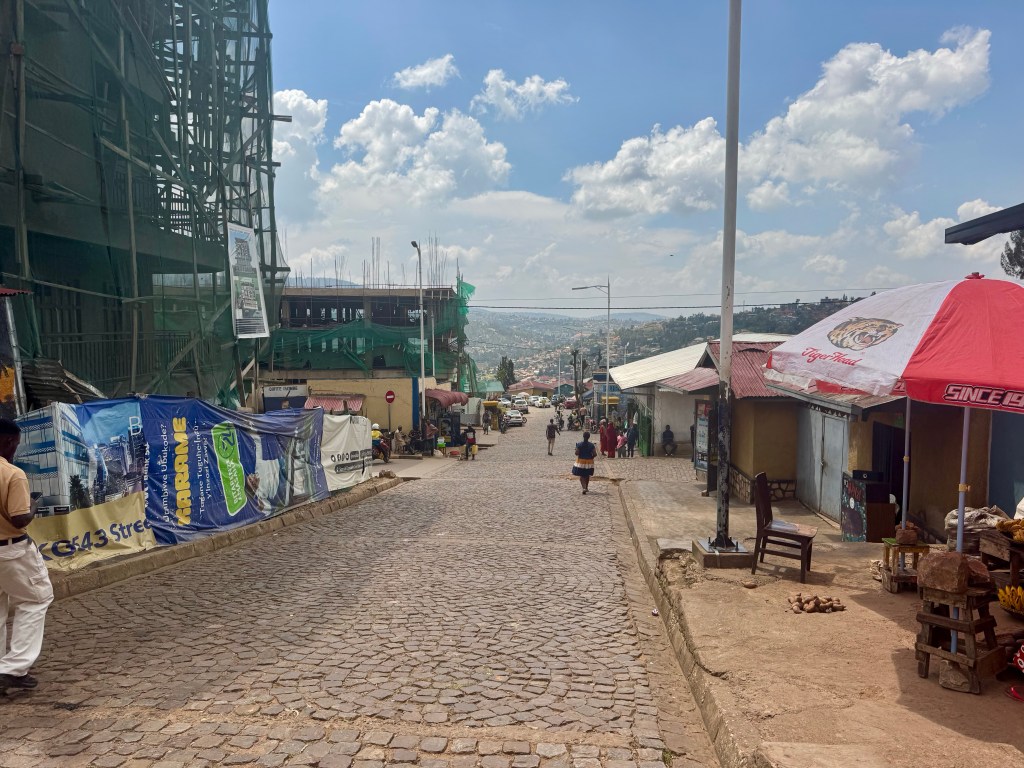
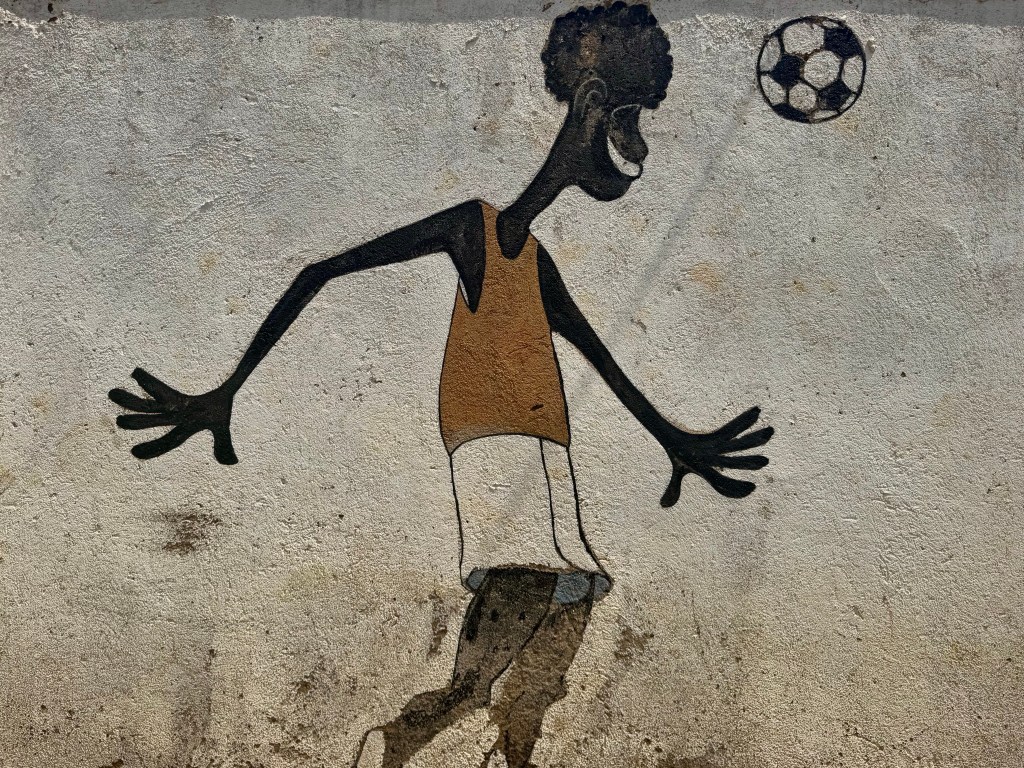
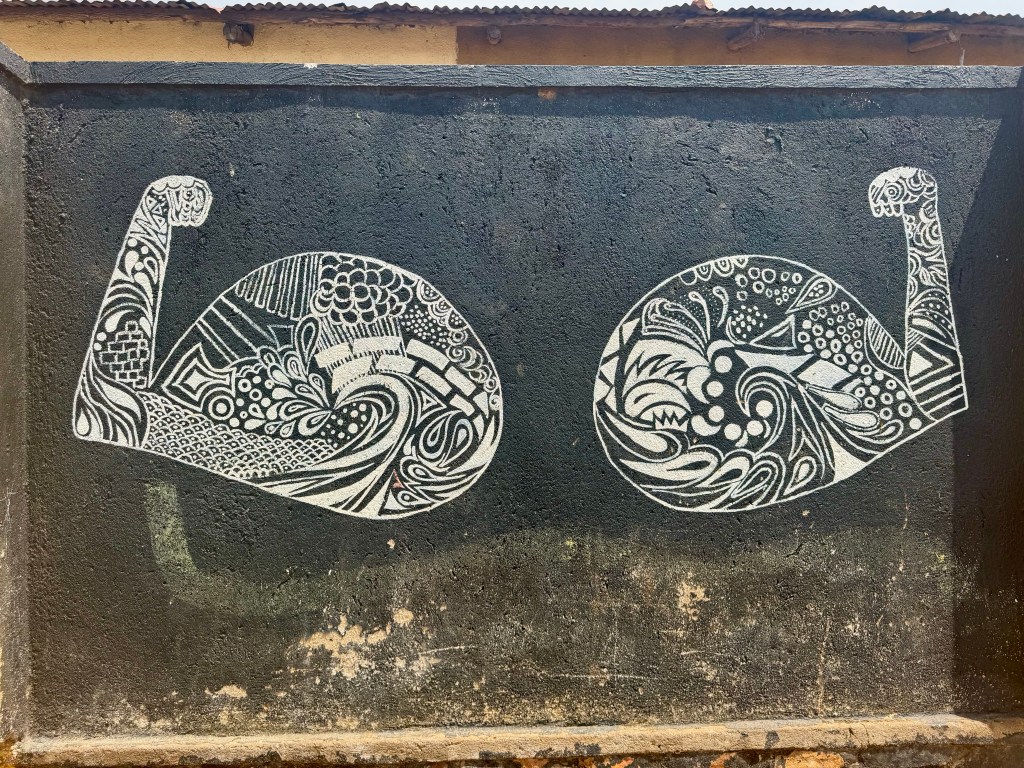
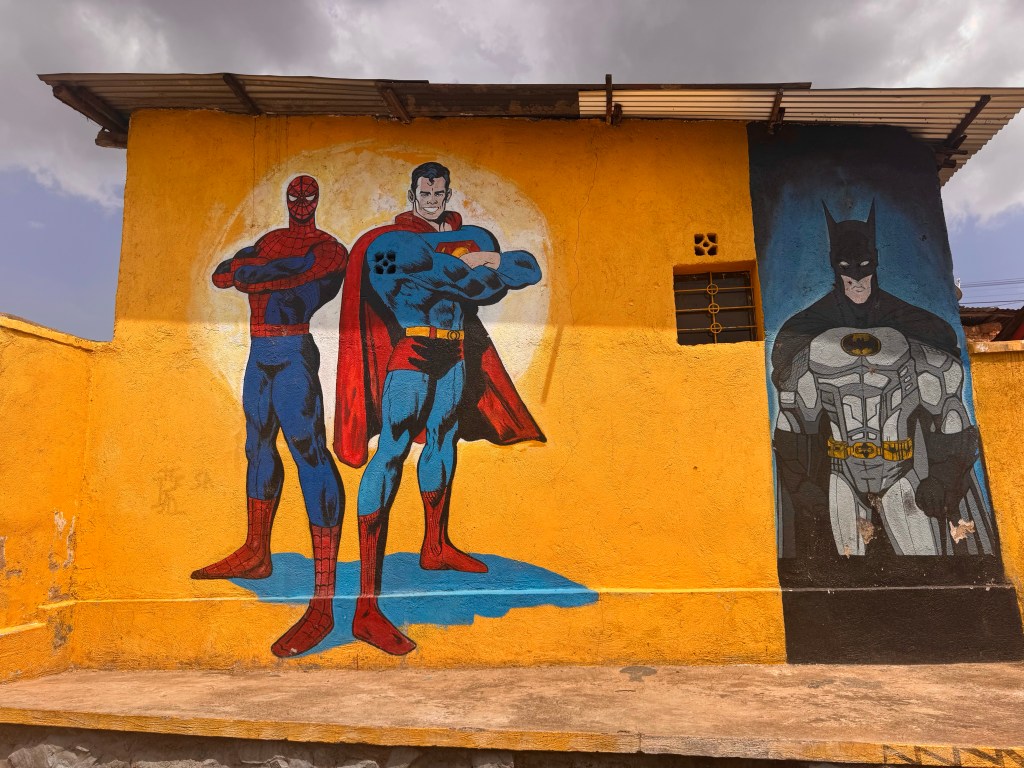
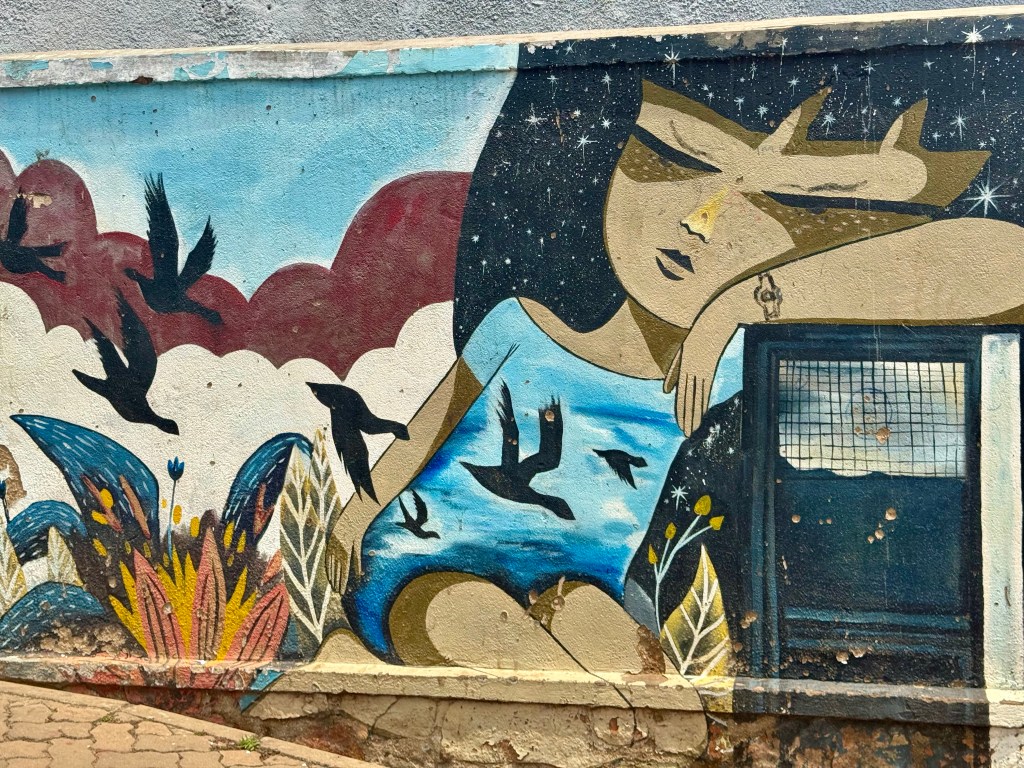
Our guide took us to some interesting places in the city, walking without fear. There is a nice street art area which is pedestrianised.
My wife below showing off her fine wings!




Rwanda, as with many African countries, has a mixed and unfortunately, troubled history, including colonialism and civil war.
Additionally, this nation carries the burden of having experienced one of the worst genocides in human history.
Our first port of call on this sad journey was the place where some of the atrocities began.

This is a memorial site for the Belgium UN peacekeepers who were slain as part of a plan to remove the UN from the country to enable the planned genocide to proceed unimpeded.
Yes, this was planned, with the perpetrators trained to execute a deliberate schedule of genocidal executions and years of political positioning to sanitise massacre.
The plan was initiated with the killing of the President whose plane was shot down on 6th April 1994.

You can see bullets and larger scale munitions damage on the walls as the peacekeepers tried to keep the potential successor, the Prime Minister safe.
10 UN peacekeepers were killed and some suggest brutality executed, along with the Prime Minister and her husband.
Below is a glass covered blackboard, where we were told family members added their comments about the event, the anger, revulsion and pain is clear to see.


10 stone statues sit in the grounds, built to reflect the height of each of the peacekeepers, marked by their age and engraved with their initials.


It’s a powerful tribute to their memory.
We also visited the Genocide Museum, which provides an effective overview of the brutality that followed these initial actions.
The museum visit is a memory we will never forget. It tells the horrifying story of how the genocide was planned and executed in sufficient detail to bring you to tears…

Rightly, you cannot take pictures inside the museum but it’s an exhibition designed to bring to light the horrors of an organised genocide that killed up to 1 million people in 100 days. 250,000 bodies are buried at this site alone.
It is a difficult but necessary experience. We have to face into the reality of man’s potential inhumanity to man if we are ever be able to stop history repeating itself.
On a brighter note, the process of reconciliation appears to have been mostly positive. The exhibition provides accounts of those horrifically impacted, being able to move from revenge to reconciliation, something that can seem incomprehensible given what took place.
In our few days in Rwanda, we encountered so many gracious and gentle people, living in a dynamic and relatively progressive society moving forward from this tragic history.
There are clearly material issues politically but somehow this feels like a country that has managed to provide some benefits to its people, even if full democracy and progressive rights appear lacking.
This was an experience we will never forget. Even in such difficult circumstances, there are positives to be found, and that is in the strength and enlightenment of those able to forgive the perpetrators so that they may move forward. Strength in such adversity is truly inspiring.
We left Rwanda touched by this complex country and all the better for our time here.
 Jeff's Travel And Photo Blog