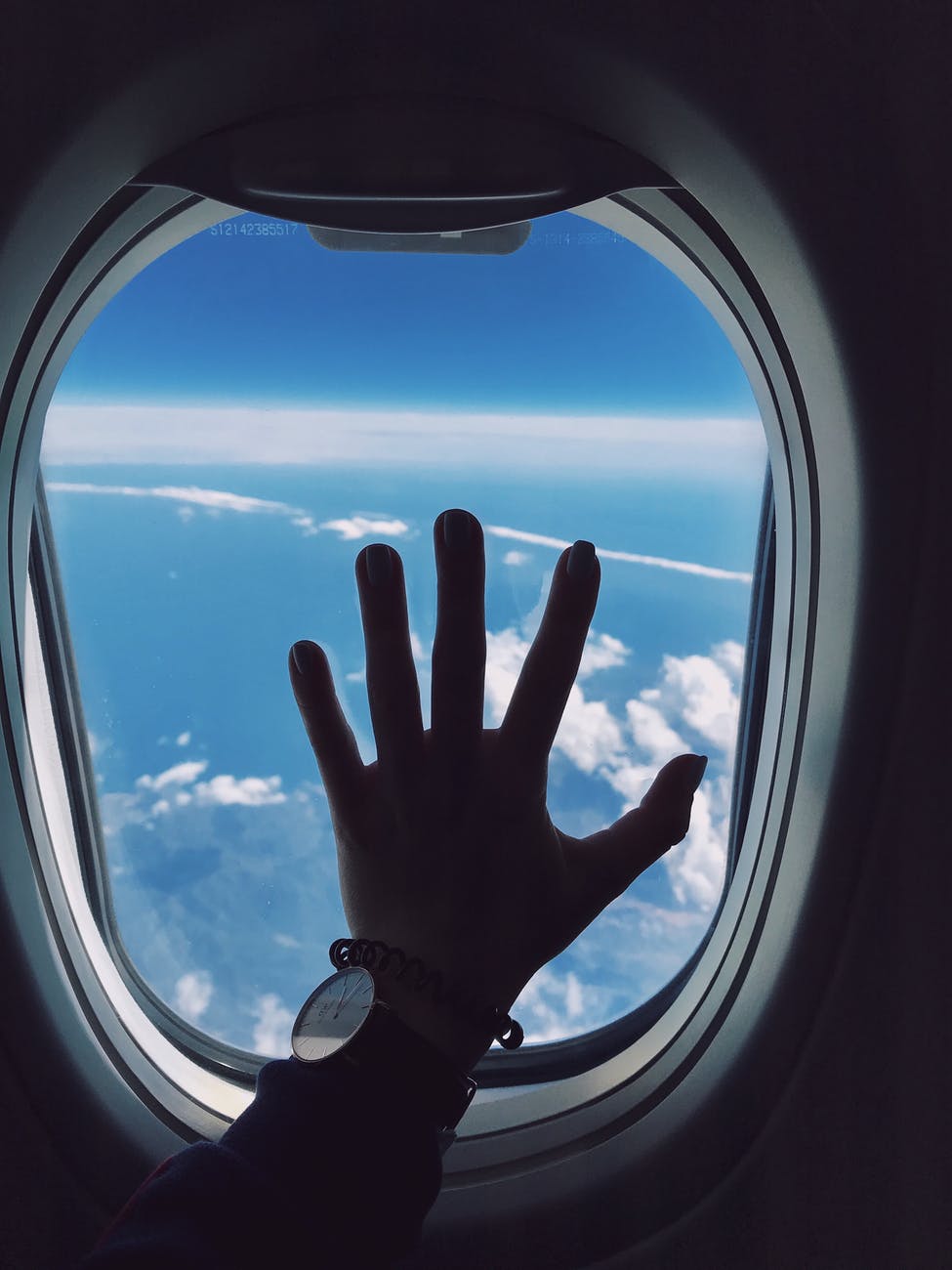

We didn’t stay long in Panama’s Old Town, but we were really impressed by what saw and we would definitely recommend visiting, there is lots see.

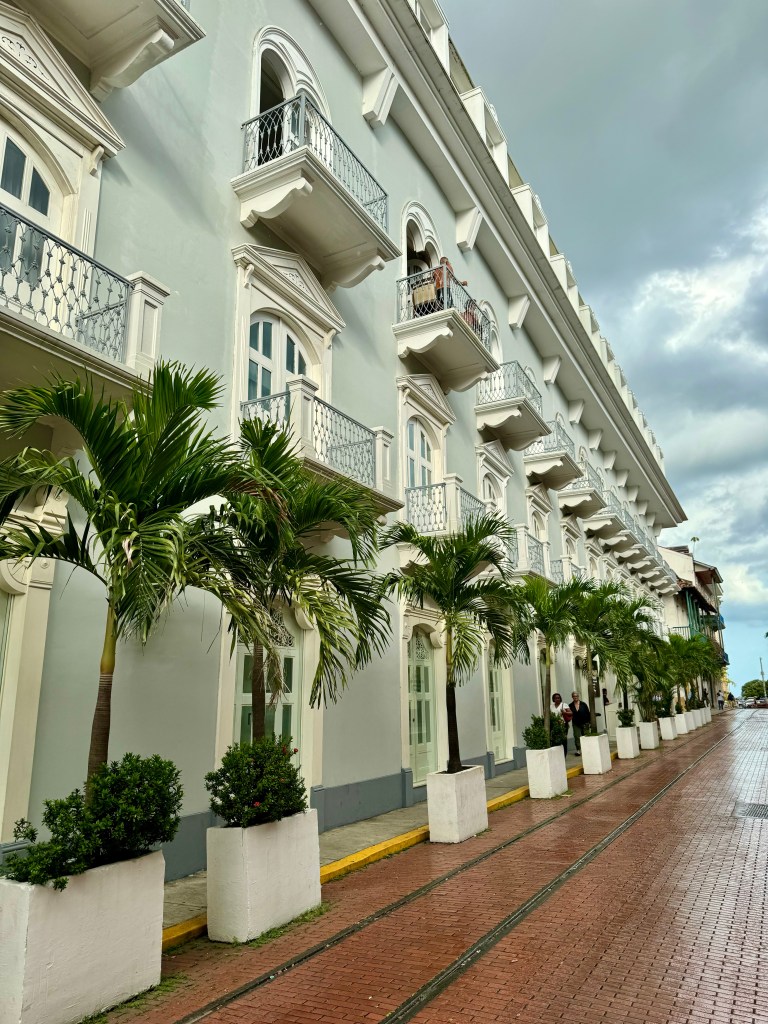
Panama’s colonial history is clearly on show with an abundance of churches and a cathedral.

The area of the Old Town is not big and so it’s easy and fun to walk around exploring its museums, churches, restaurants and many pretty streets.
Much of it seems well preserved and shows its colonial architectural influences.
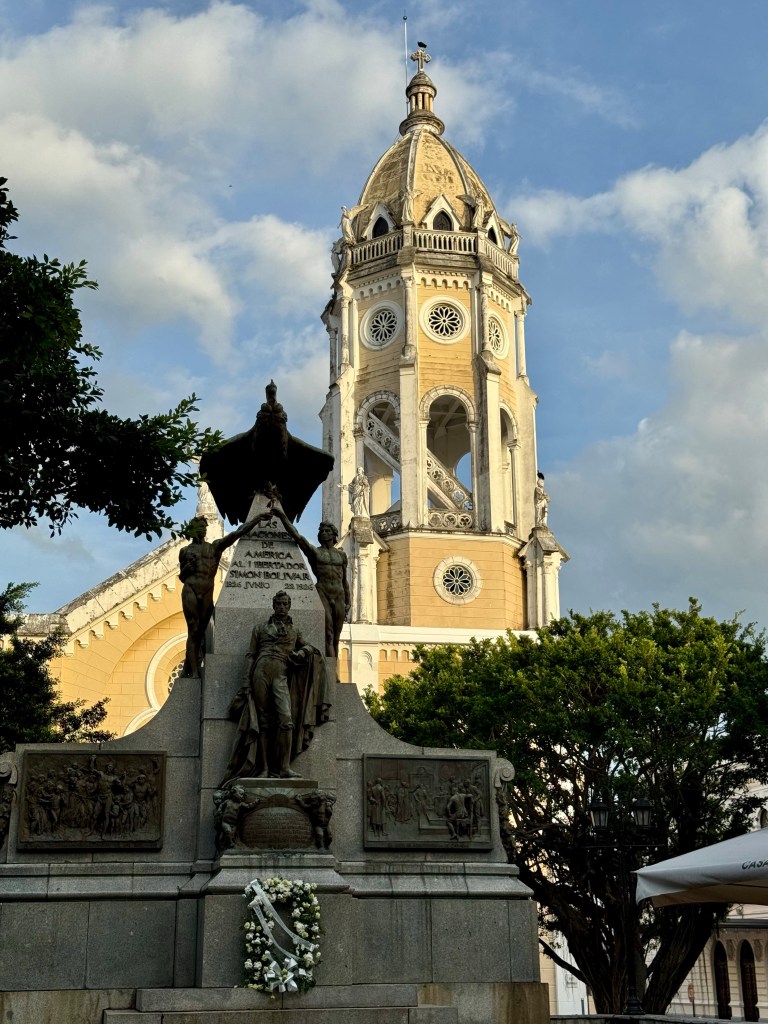
What is now known as the Old Town was originally founded by a Spanish conquistador in 1519, it’s the oldest European settlement on the Pacific coast of the Americas.
Ruins of the original city can still be seen, although it was abandoned in the 17th century and eventually the new town we see today was built.

So it seems that the origin of the ‘Panama’ hat is actually Ecuador not Panama, however thats doesn’t mean that you can’t buy some great hats here!
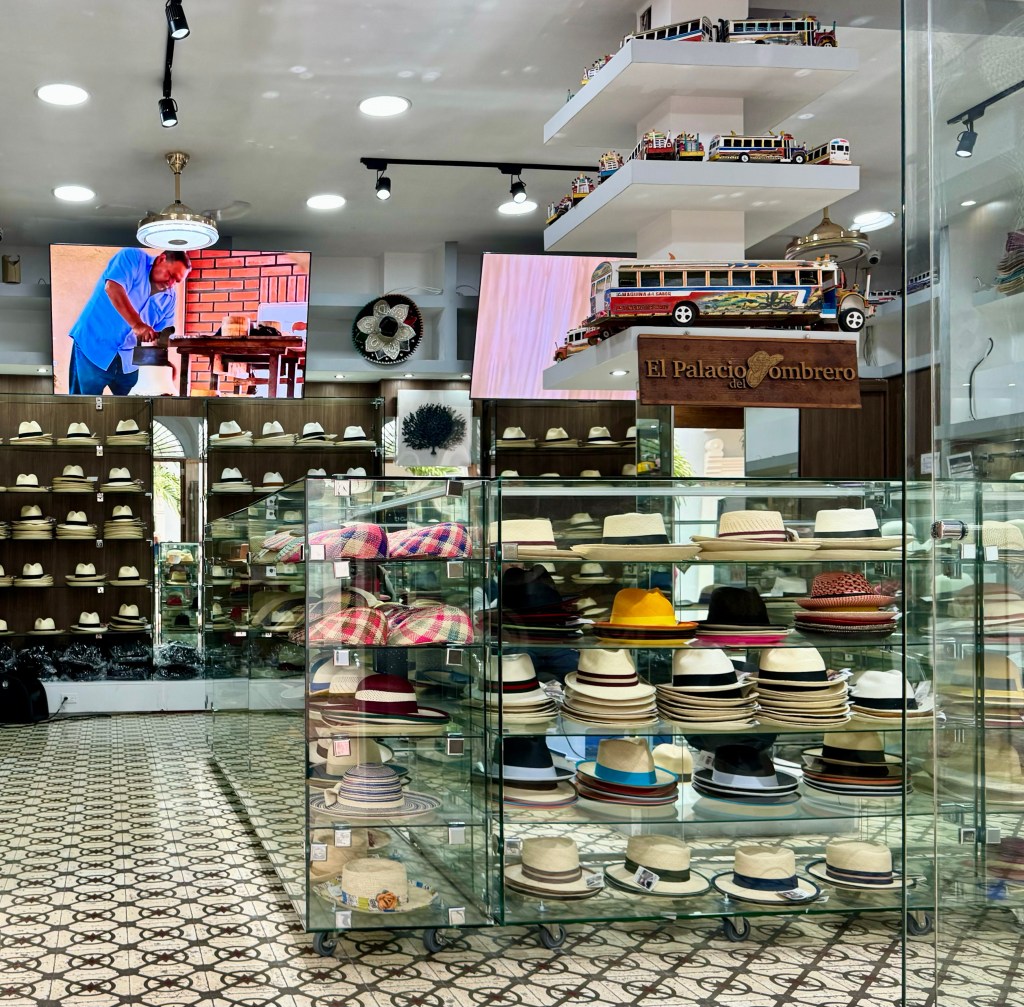
Plenty of hats actually!
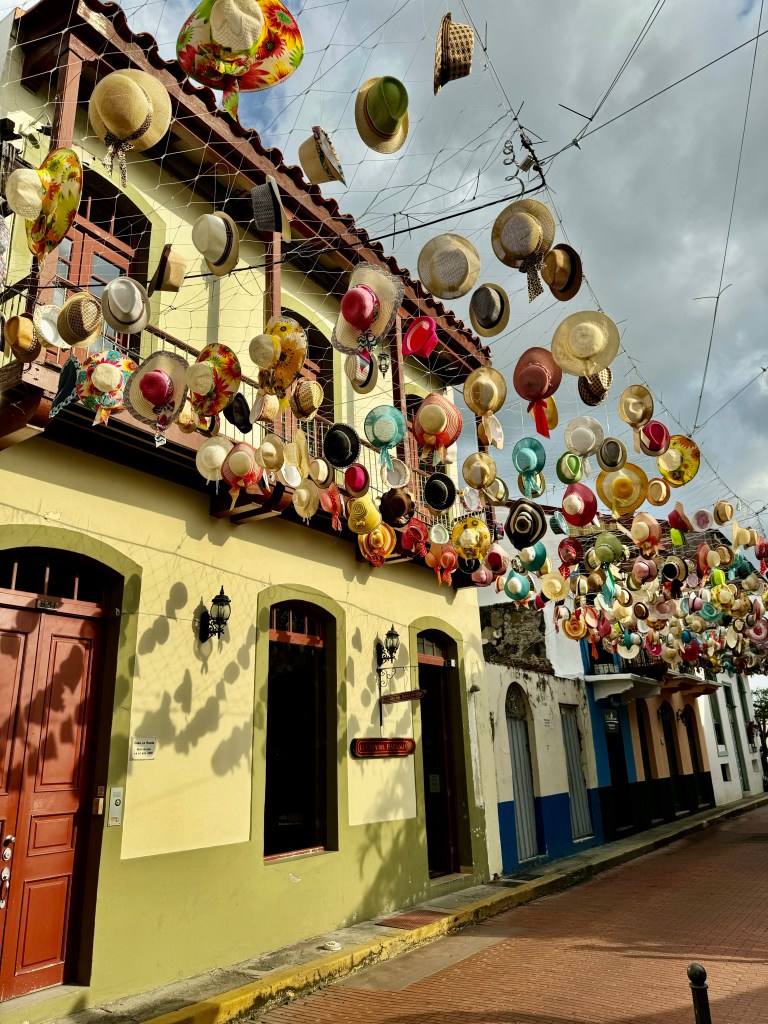
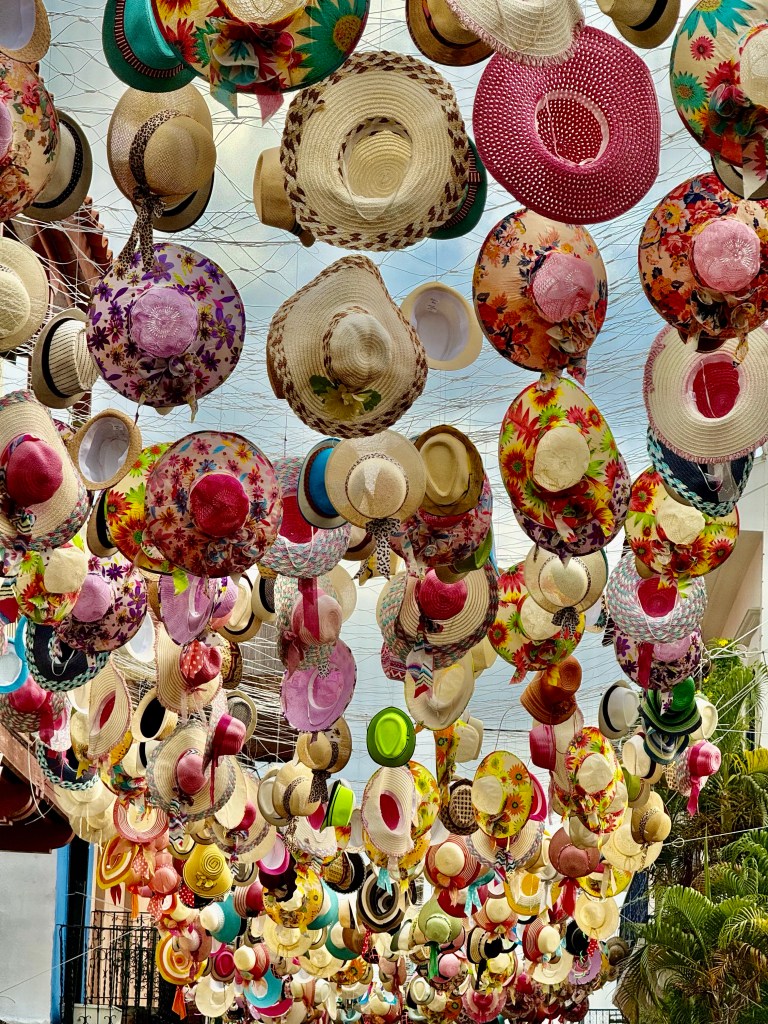
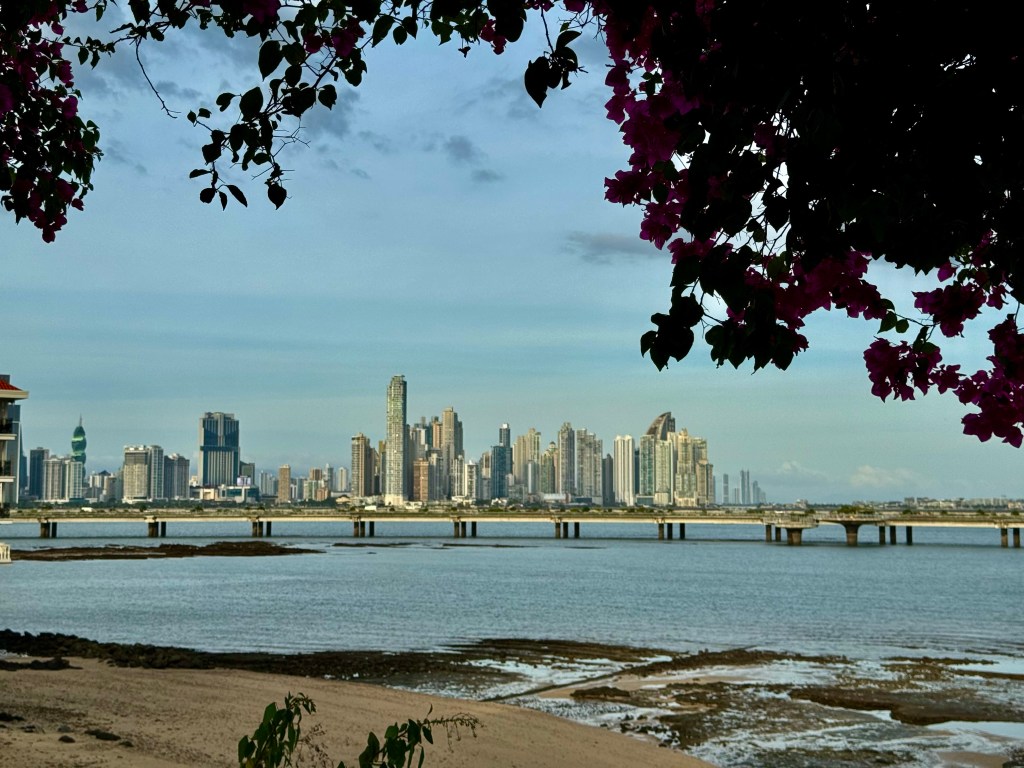
The views from the Old Town across the bay are nice, especially those back across into the city.

We didn’t get into the City proper whilst there but did spot a fish market with restaurants that looked interesting.
Down towards the ferry and the canal entrance is the Bio Museum, a funky looking building and it is well worth a visit. They also store your luggage for free if needed.
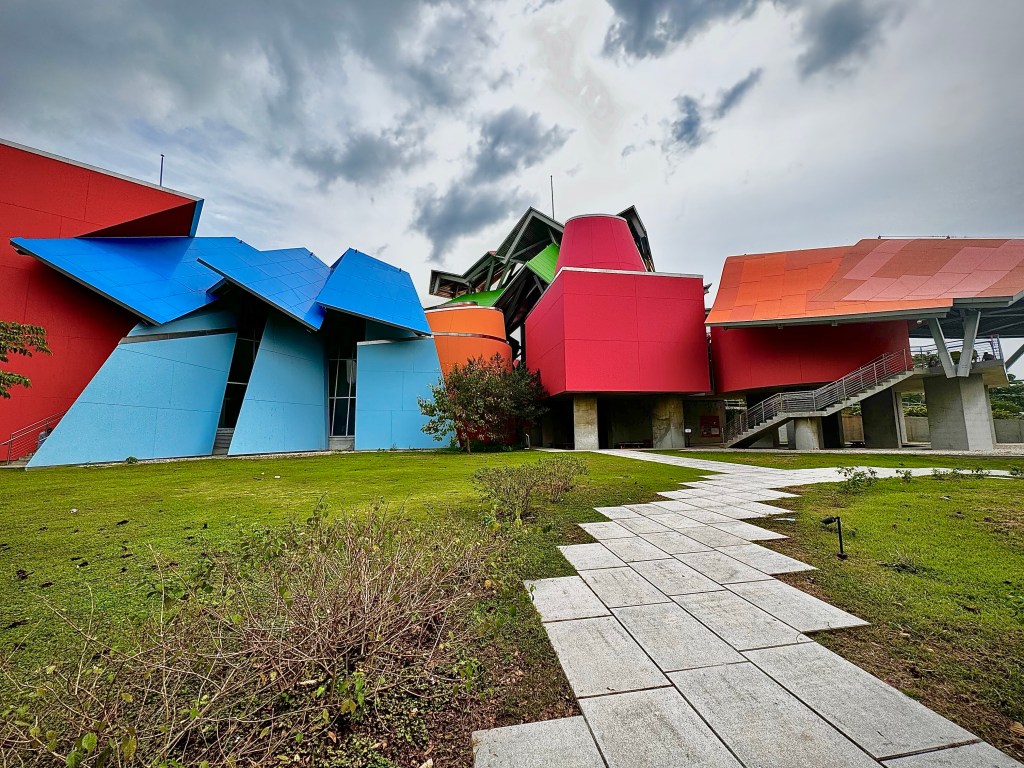
The museum has a section about Panama’s landmass joining to South America’s and the sudden exchange of biodiversity that occurred.
I also learnt that there were once Giant Sloths the size of Polar bears!

There is also a great Canal museum in the Old Town which is definitely worth a visit given the complex history of Panama and the importance of the Canal to its social and political history.
You can see lots and lots of cargo ships anchoring in the bay, awaiting their slot to travel through the canal. With a recent drought, some have a wait time of as much as 20 days.

The US finished building the Panama Canal in the early 1900’s and a treaty allowed the US sovereignty of the canal and a 10 mile strip along its banks.
Walking this route you see some of the now abandoned buildings previously used to administer the Canal and house its mainly US staff.
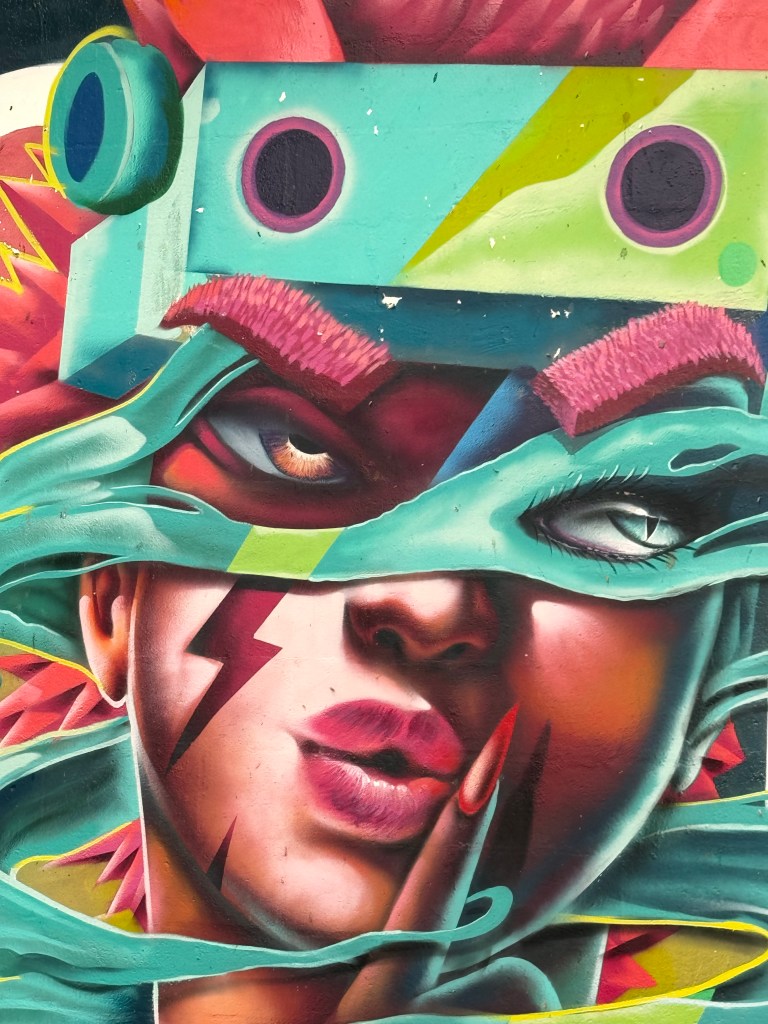
The abandoned buildings now providing apt canvases for local street artists.


Along the way we found this mausoleum, dedicated to the leader that signed the new treaty with the US that eventually led to the handing back of the canal to Panama in 1999.

Next to the convention centre is an old US train shipped here to help build out and operate on the Canal train line.


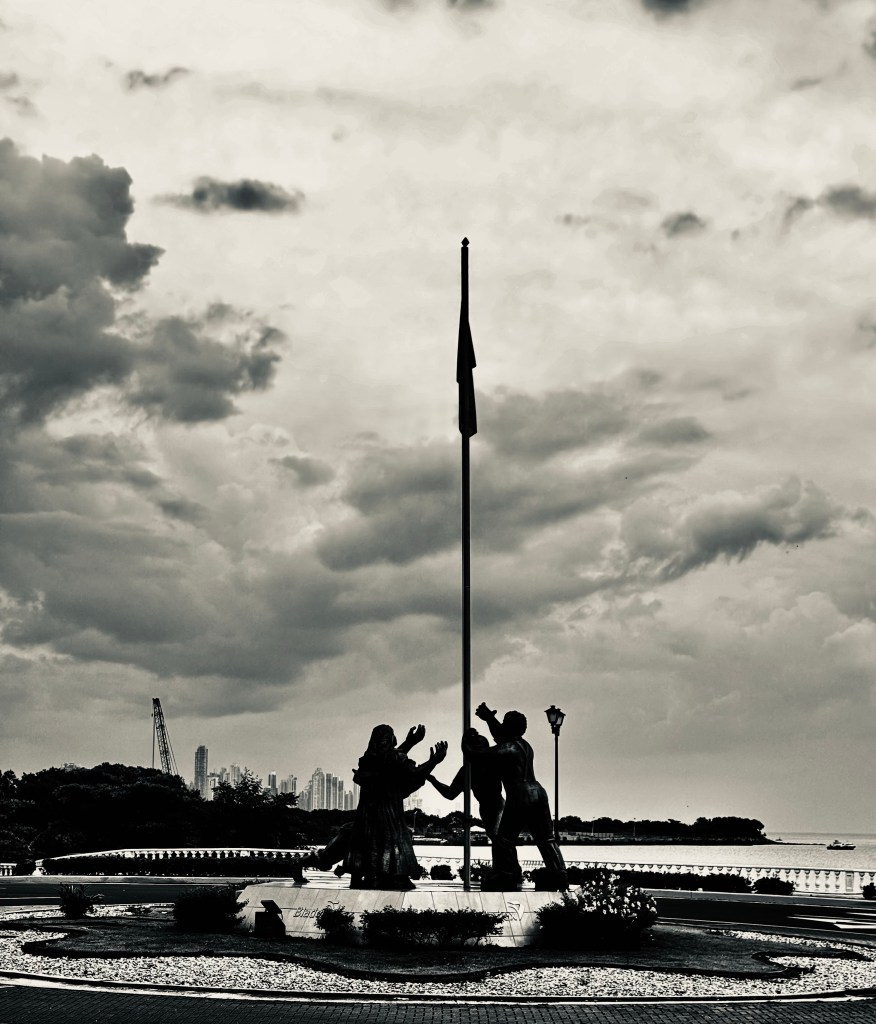
Next we head to Isla Taboga to spend Christmas, just a short ferry ride away!


Hi Jeff, Jackie
<
div>
Fantastic photos (as always ) love reading the history of the places you both are visiting you always manage to capture my imagination, can’t wait for the next episode.
Keep safe love you both xxxxx
<
div>
Sent from my iPhoneJacqueline Robertson
<
div dir=”ltr”>
<
blockquote type=”cite”>
LikeLike