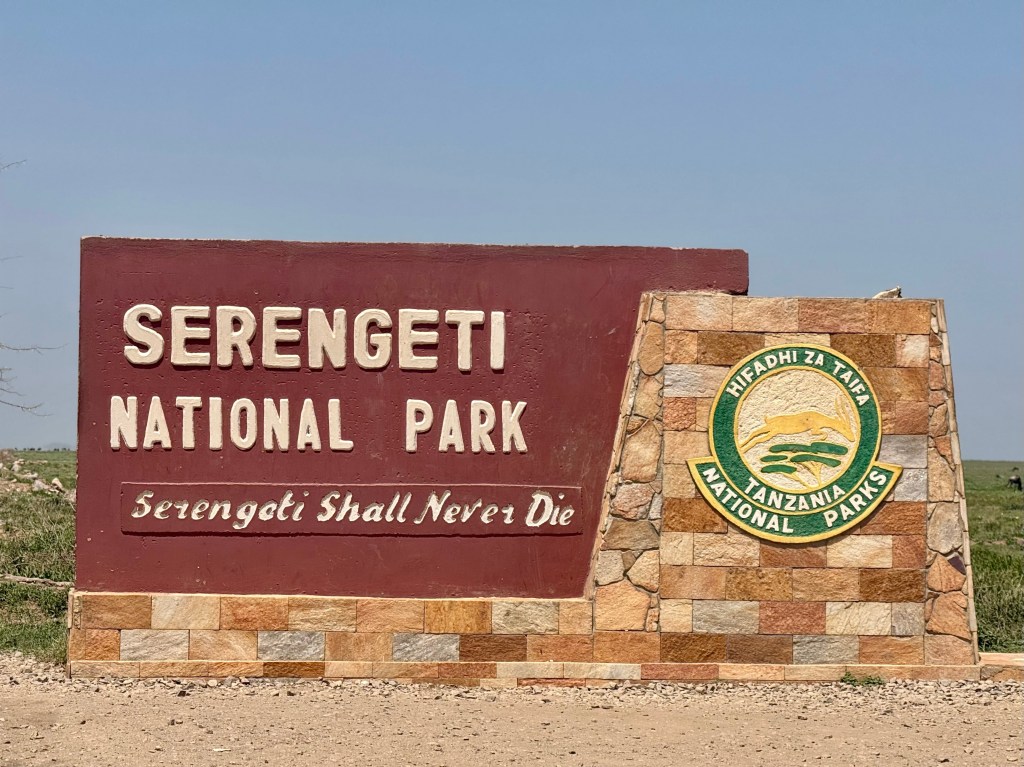
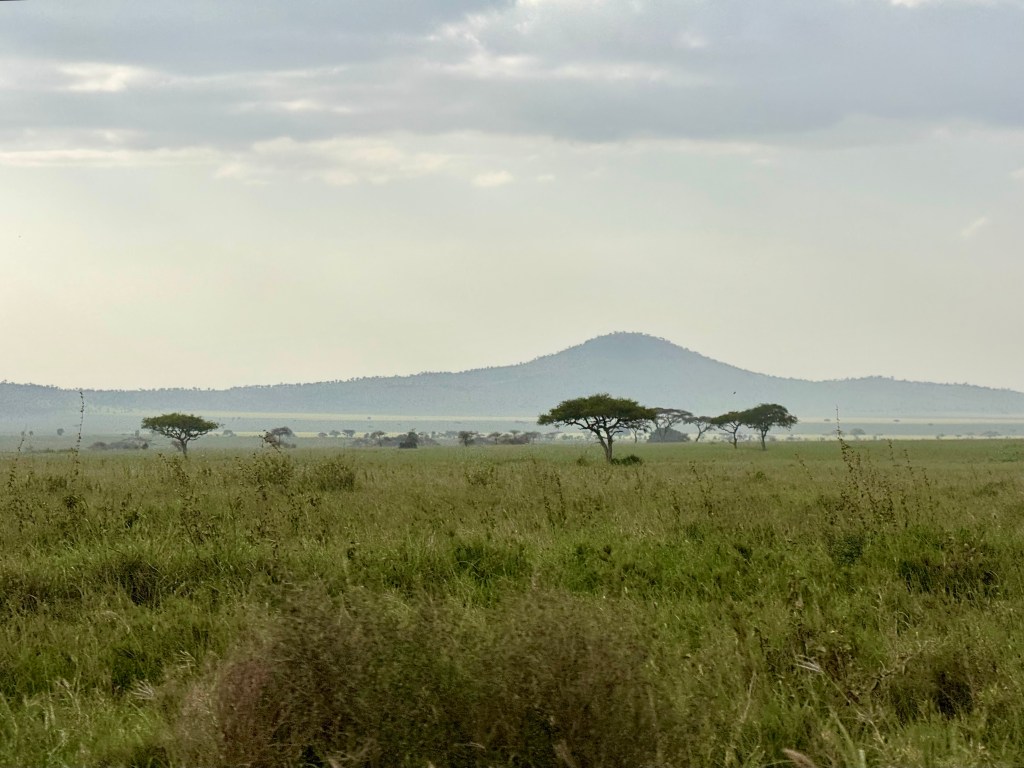
The Serengeti National Park is large, at 14,000 sq km, it’s about the size of Belgium or the US state of Maryland. It’s wider ecosystem is twice as big.
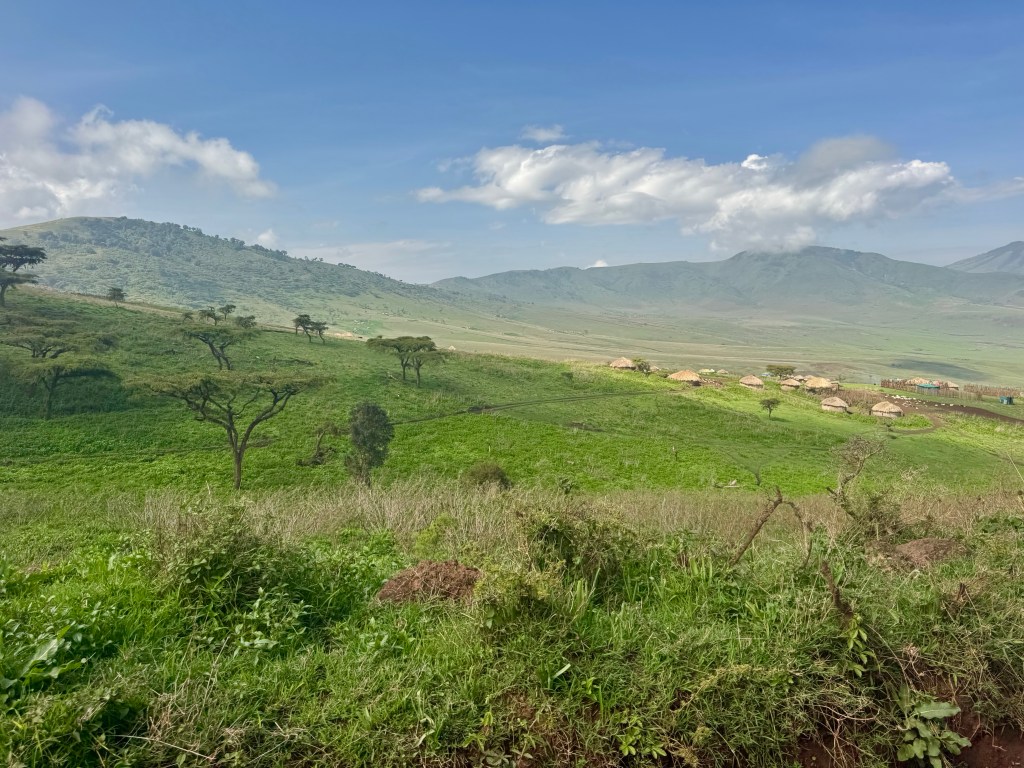
The name is derived from Maasai, meaning ‘endless’ or ‘the place where the land runs forever’.
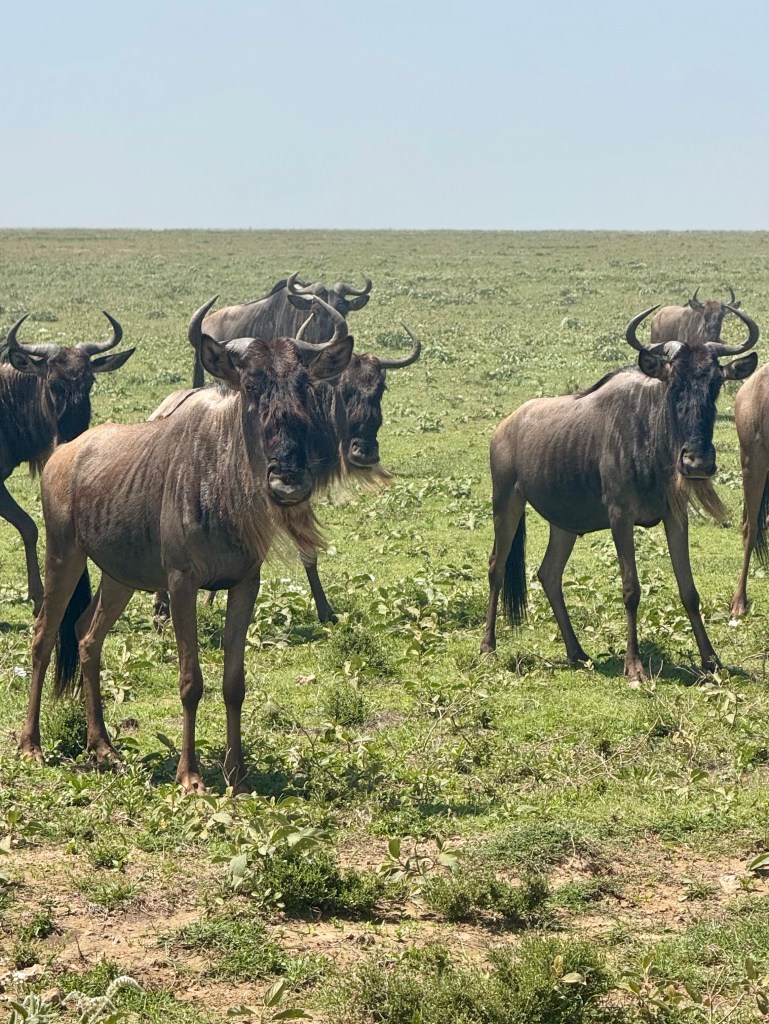
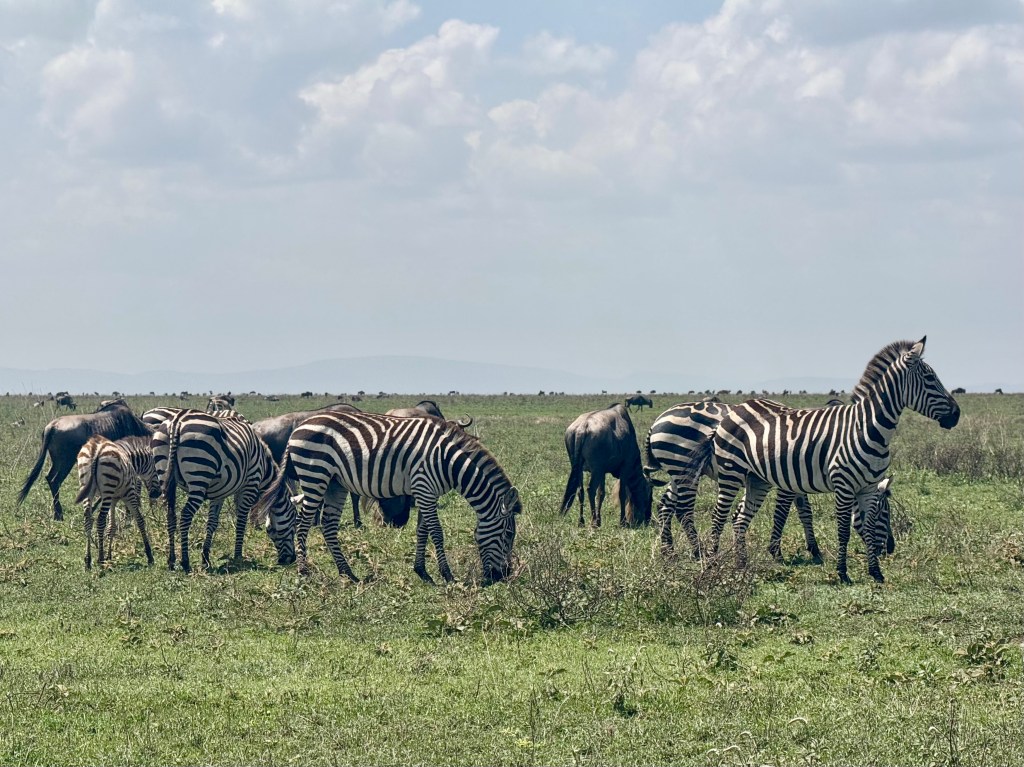
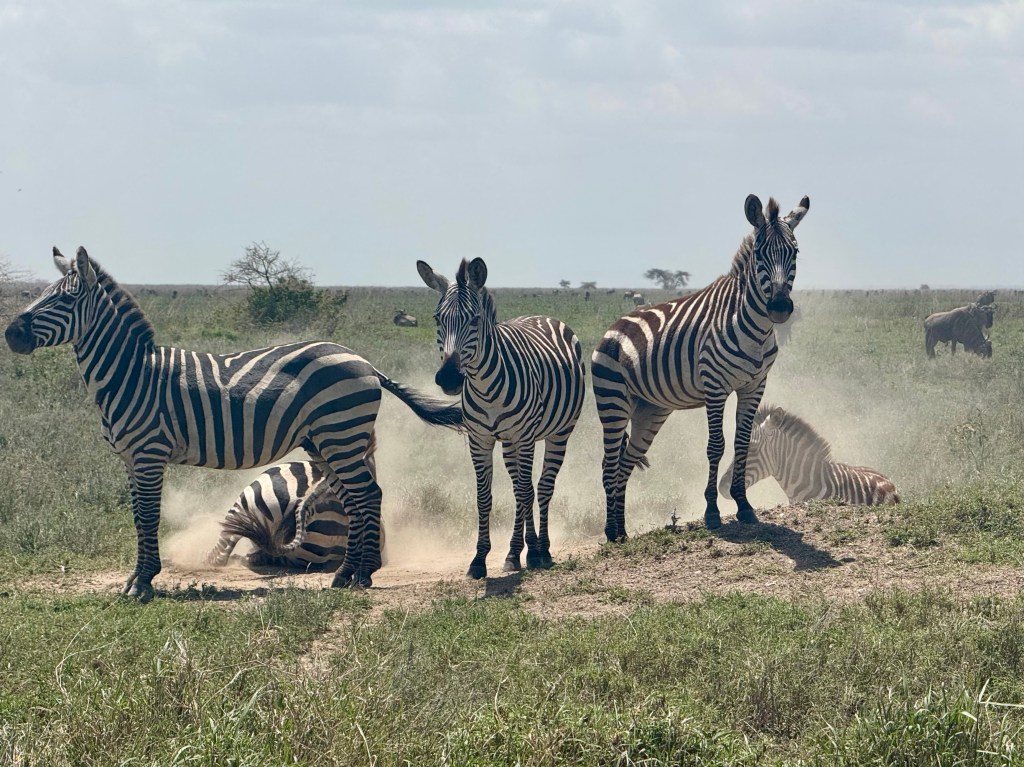
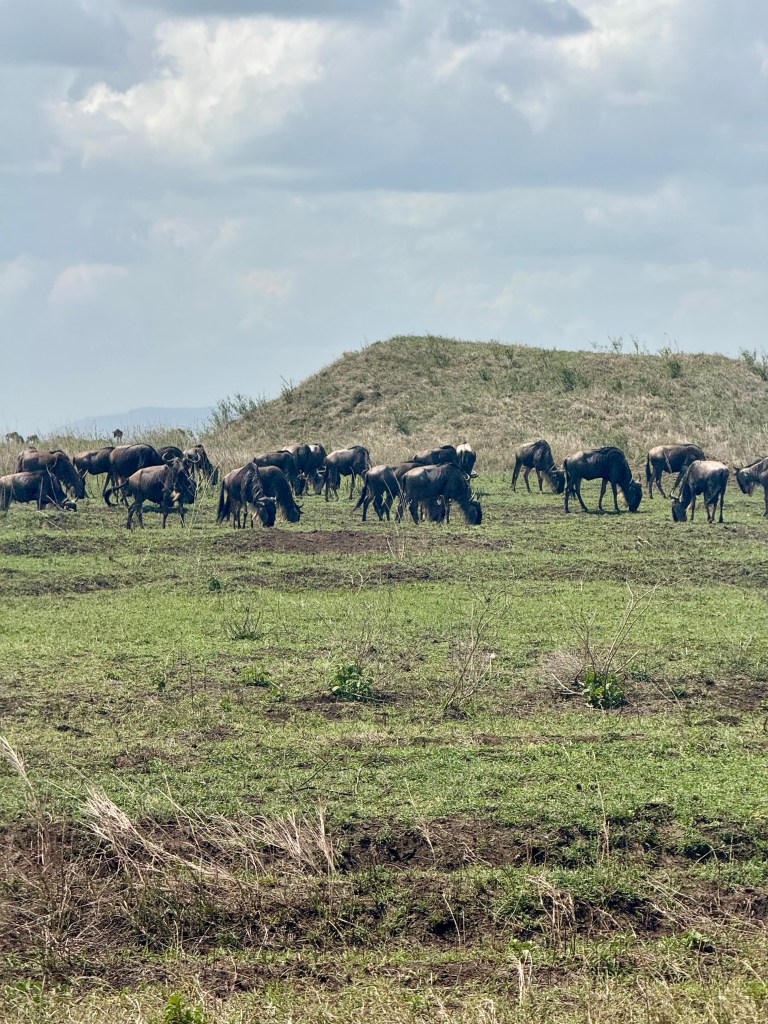
It is also a key area for the Great Migration where around 2 million wildebeest, zebra and buffalo circulate seasonally to seek fresh pastures, give birth and find water.
We have visited some fabulous national parks but this is just on another scale.
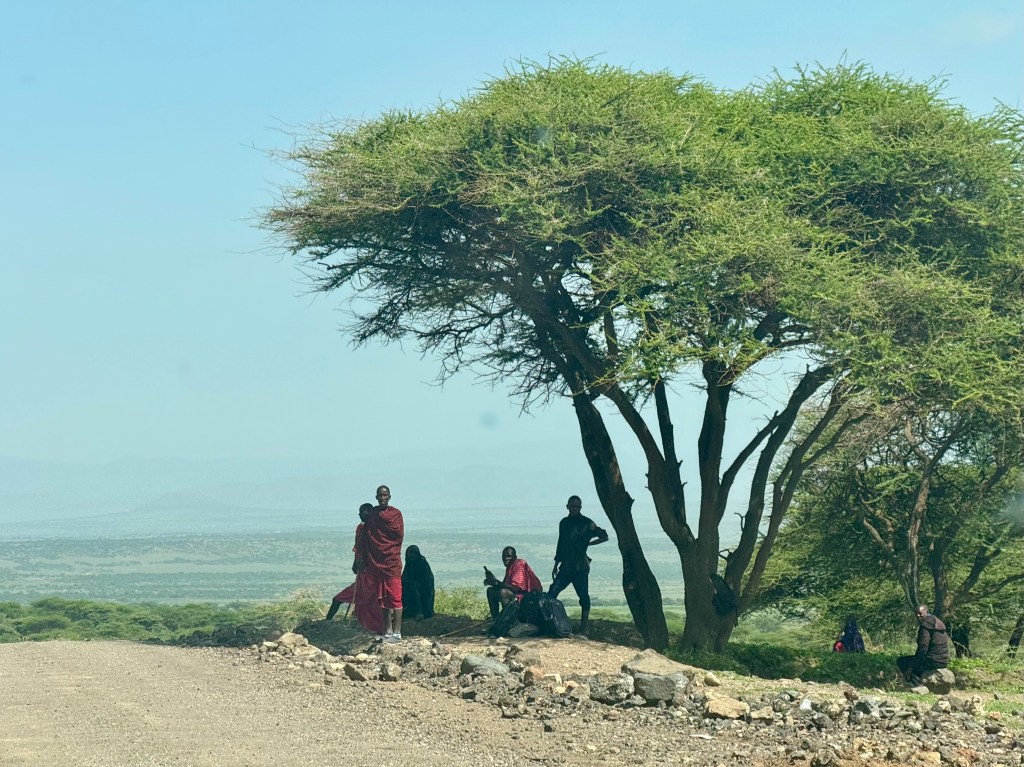
By scale I mean not just in it’s size but the amount of wildlife that can been seen.
We witnessed zebra and wildebeest as far as the eye can see, the savannah dotted in all directions. Elephants in groups of 30 plus and a pride of lions 25 strong.
It’s just an amazing experience and something I will never forget.
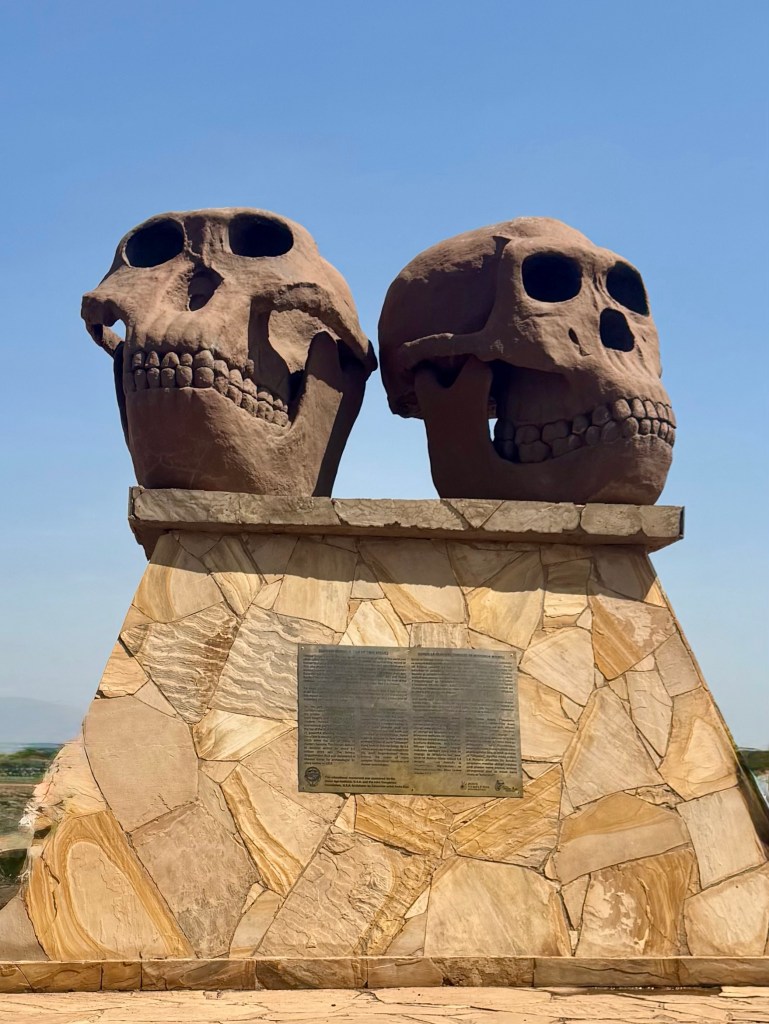
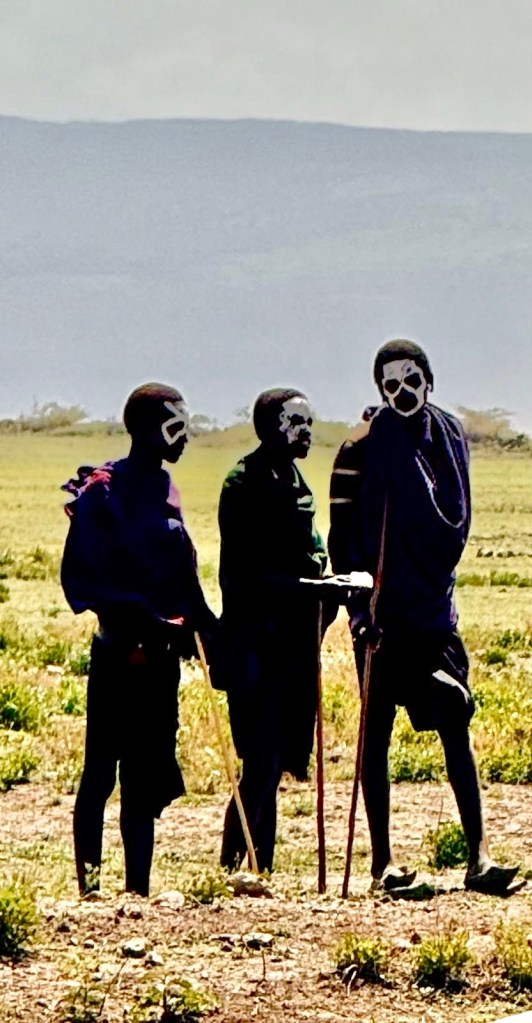
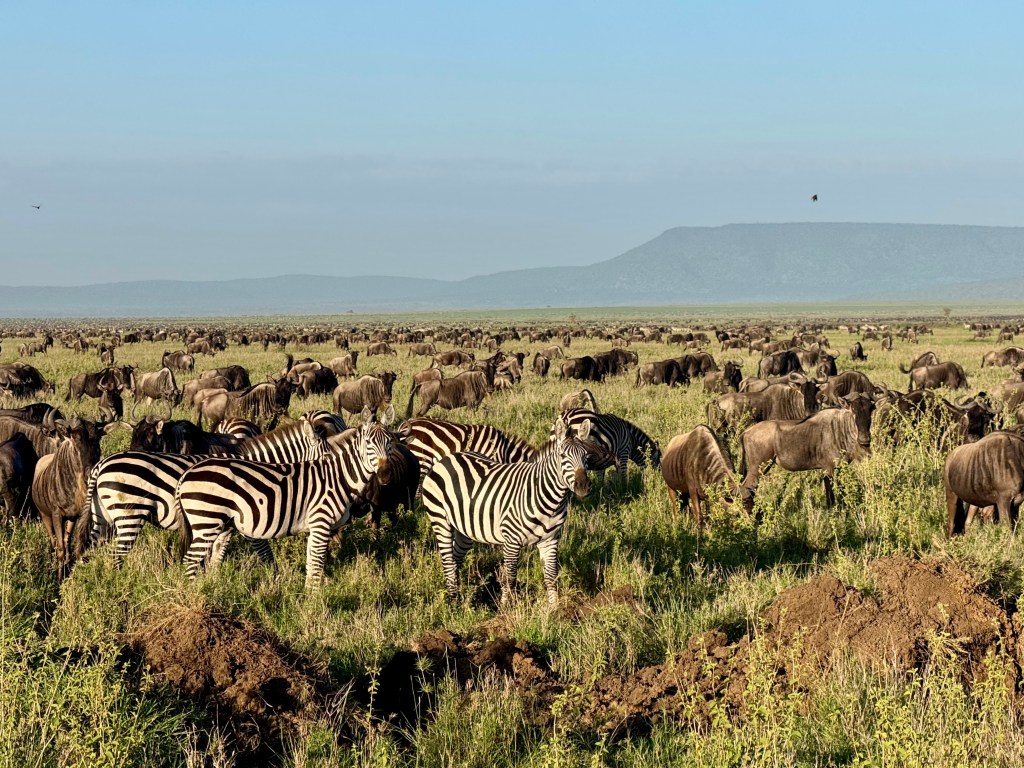
With minutes of entering the park we saw some of the herds of zebra and wildebeest migrating, the numbers too large to count and impossible to reflect in these pictures.
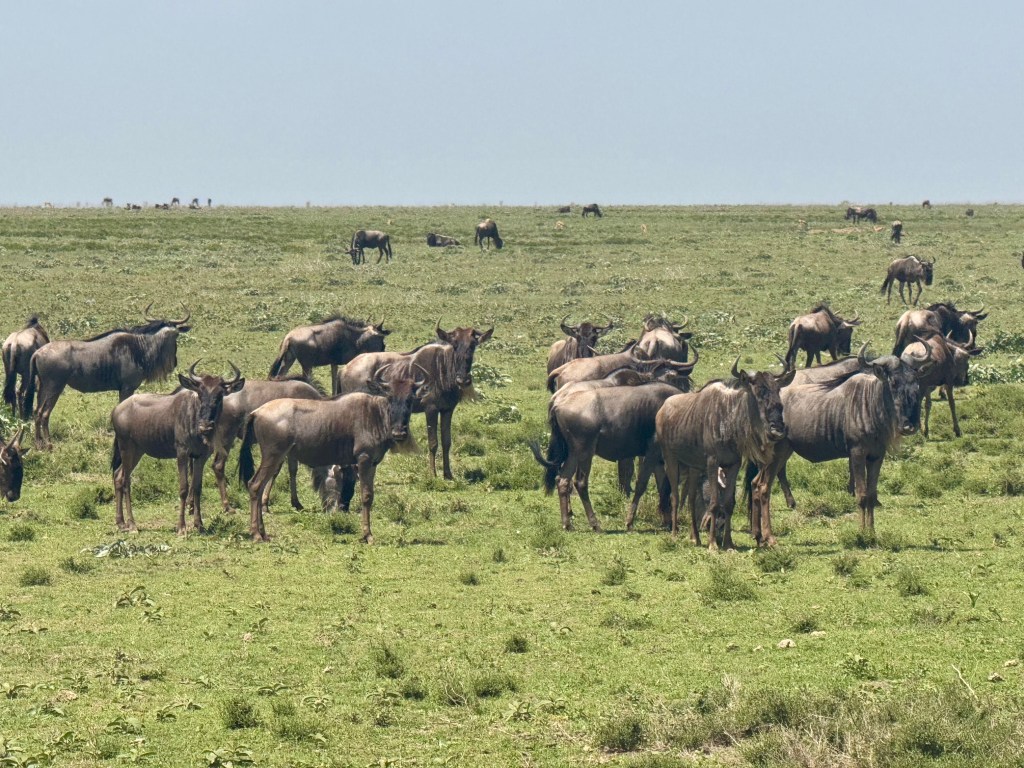
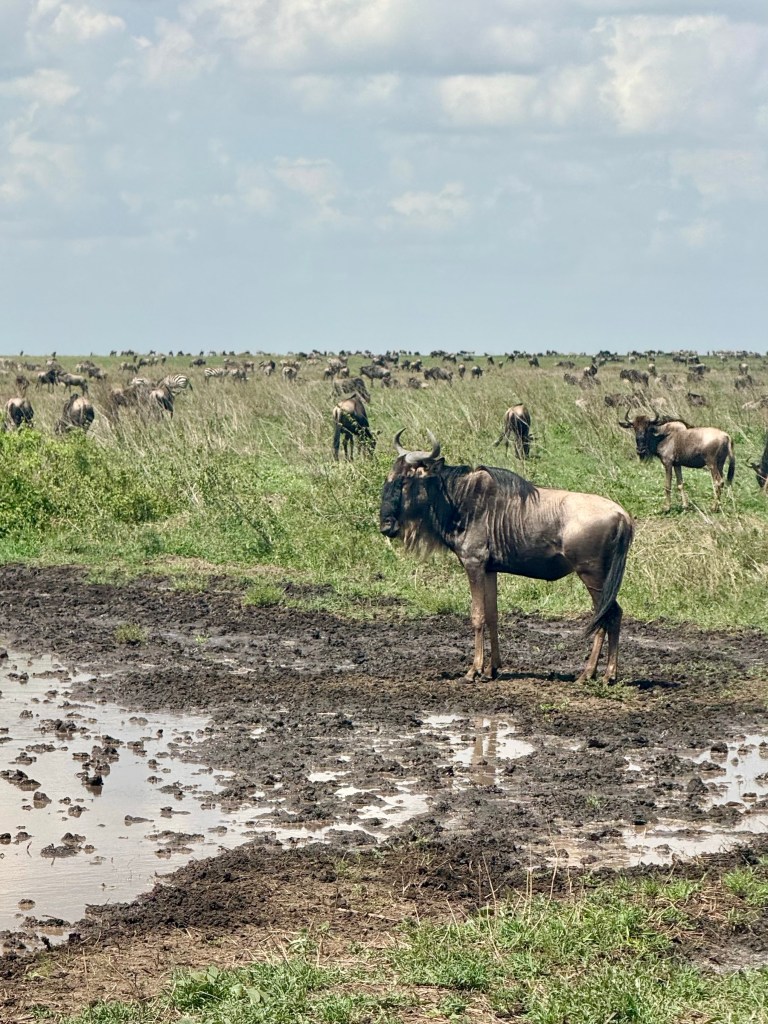
We spent our first afternoon driving to our camp for the night and watching the landscape changing as we drove on.
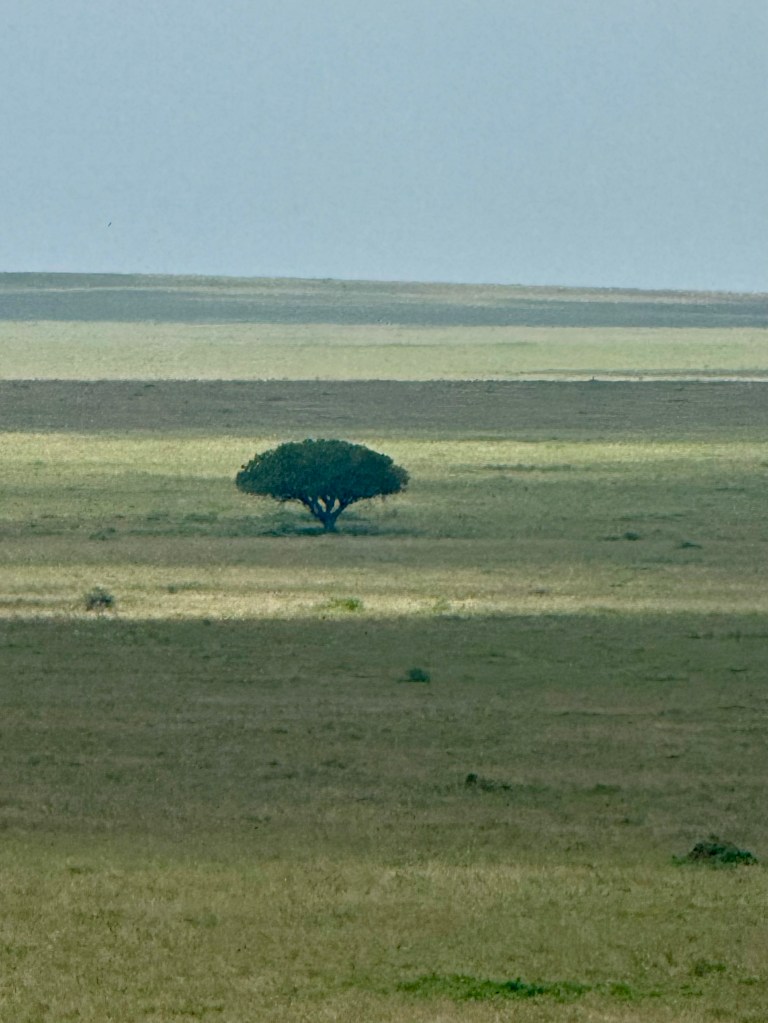
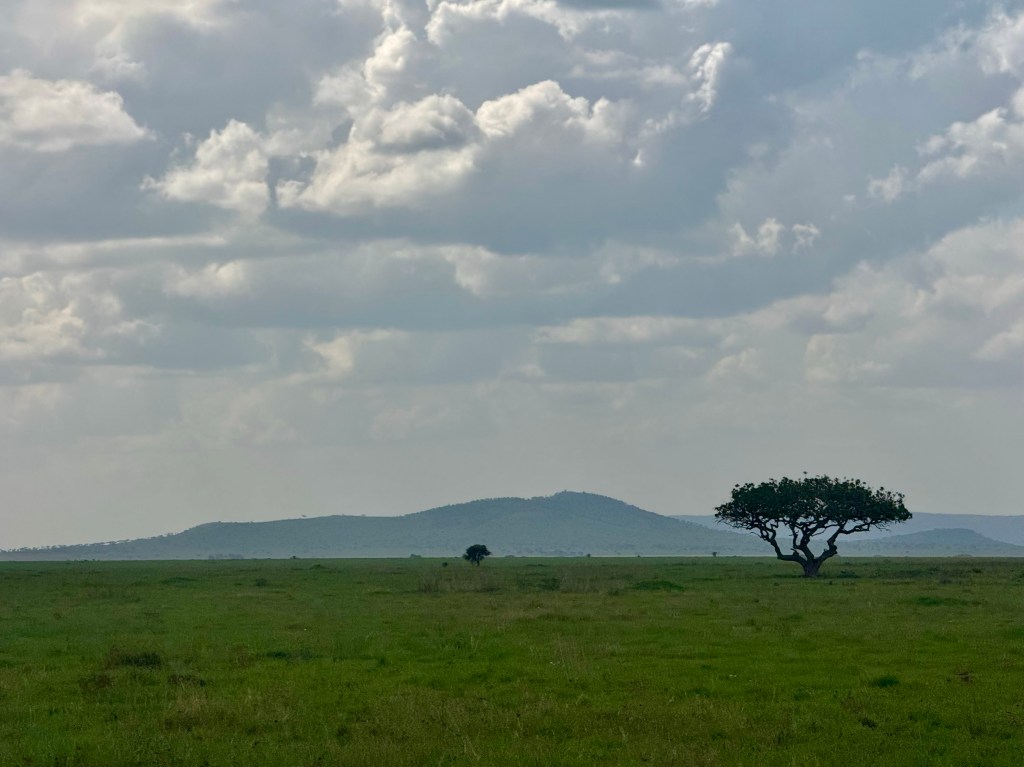
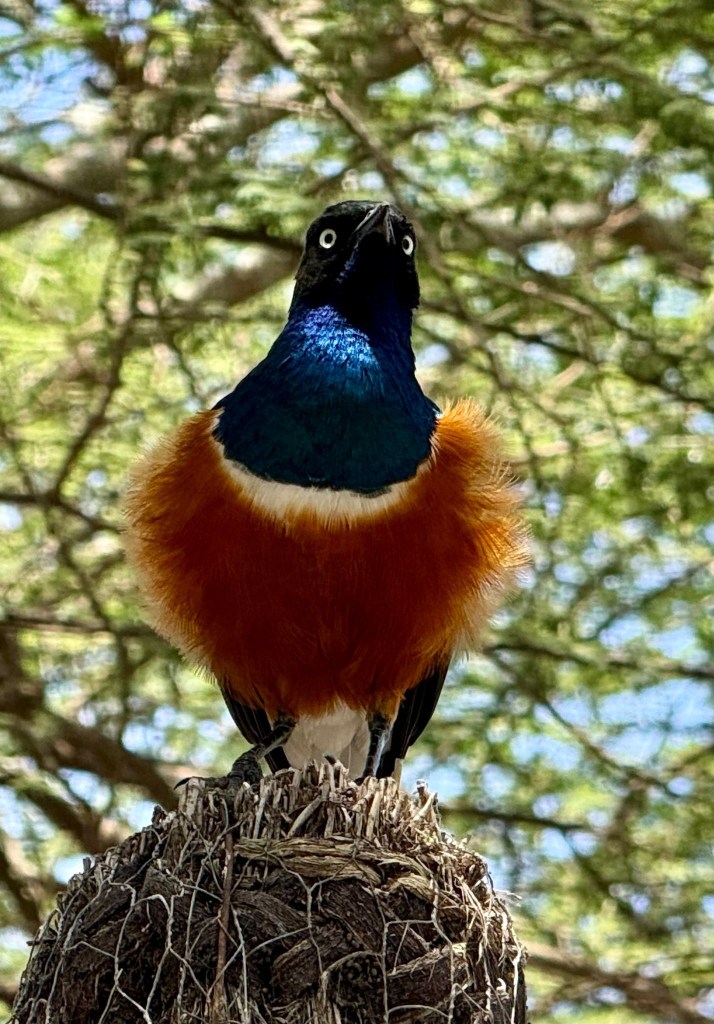
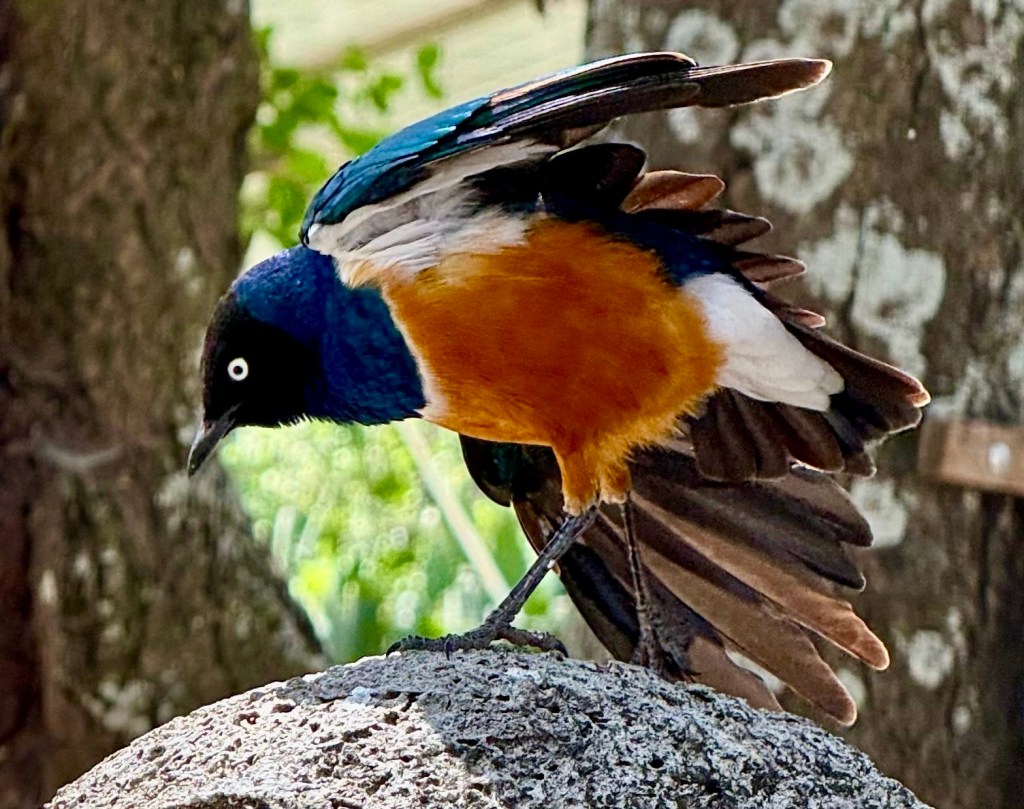
We stopped for lunch with these beautiful birds watching and waiting for anything we dropped or left behind.
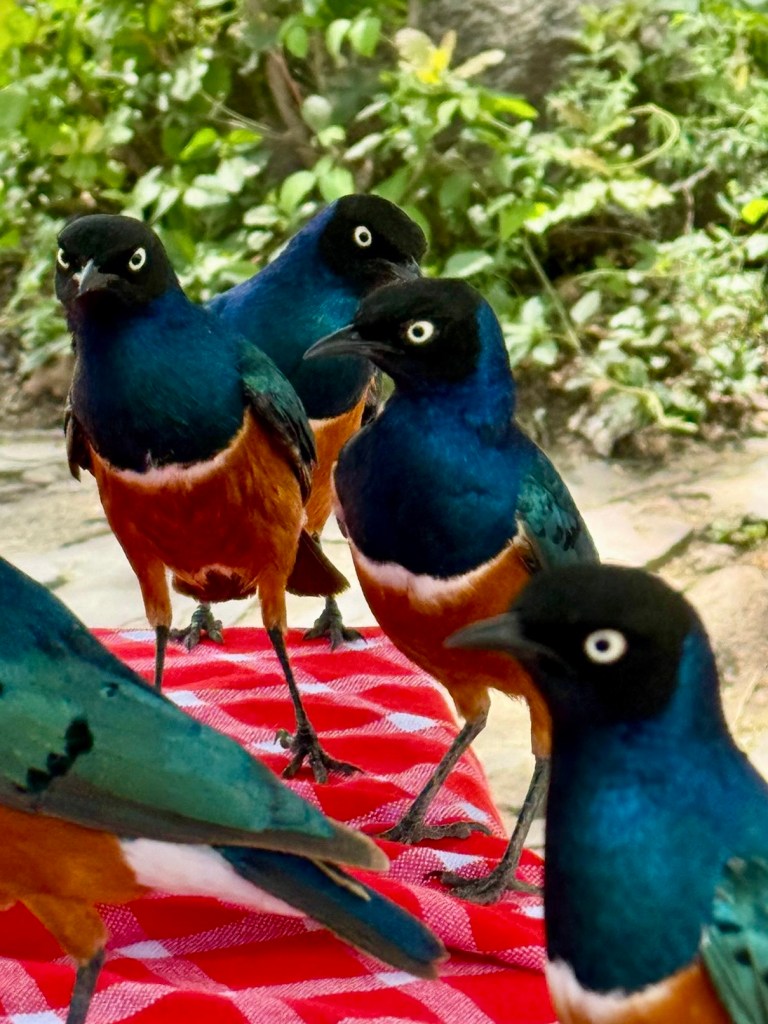
They are called superb starlings!
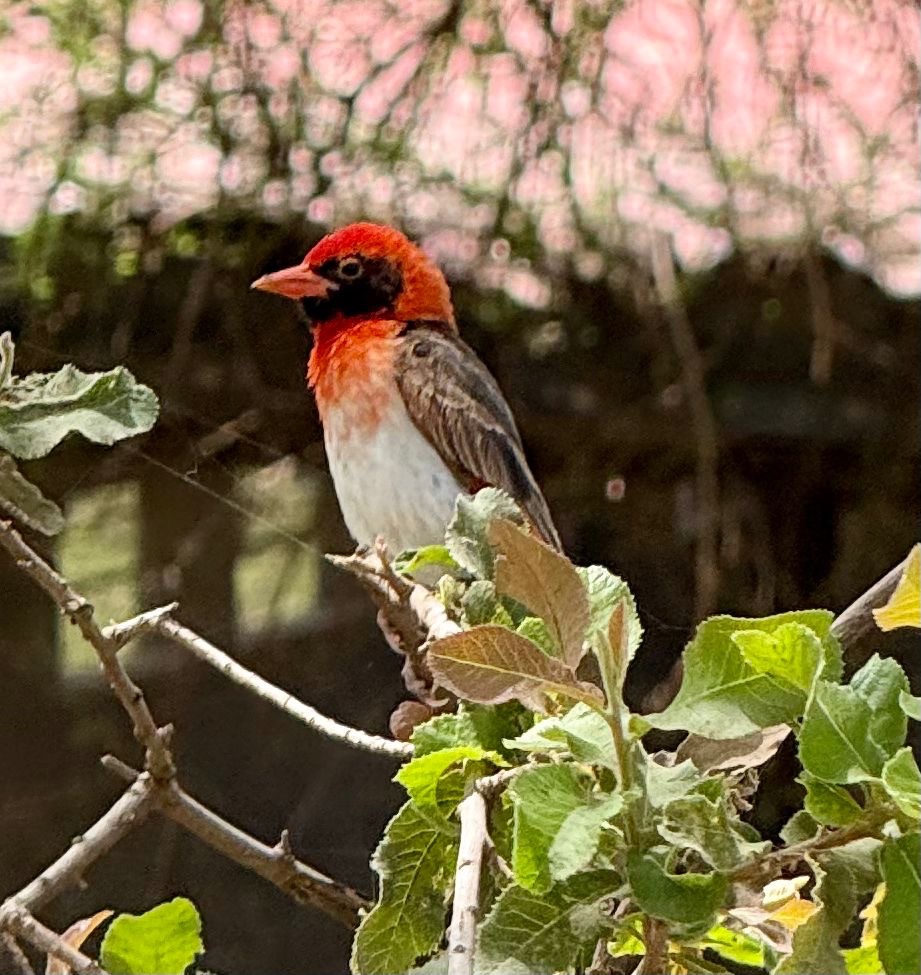
This is a red headed Weaver.
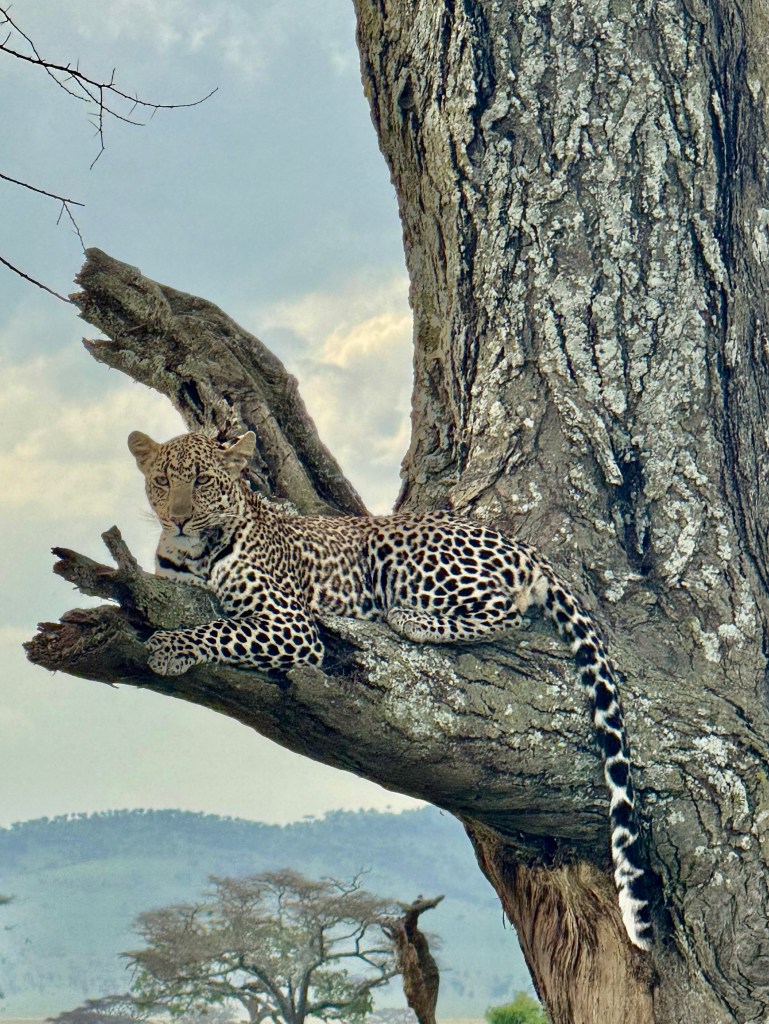
Soon into our first afternoon we spotted our first leopard.
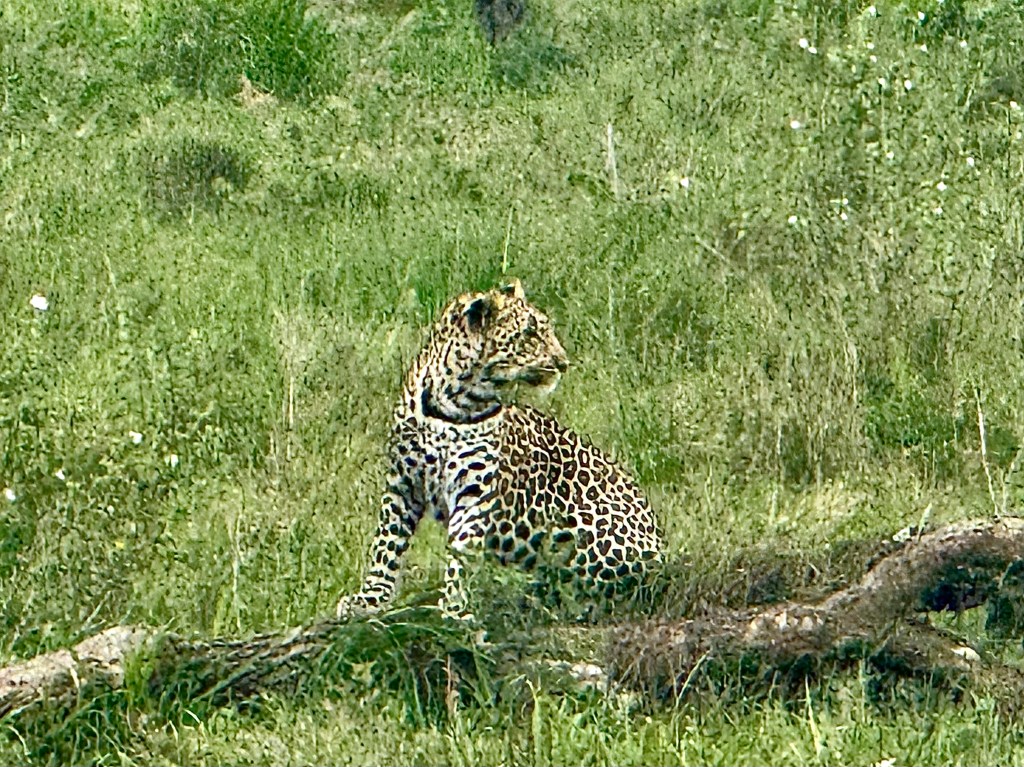
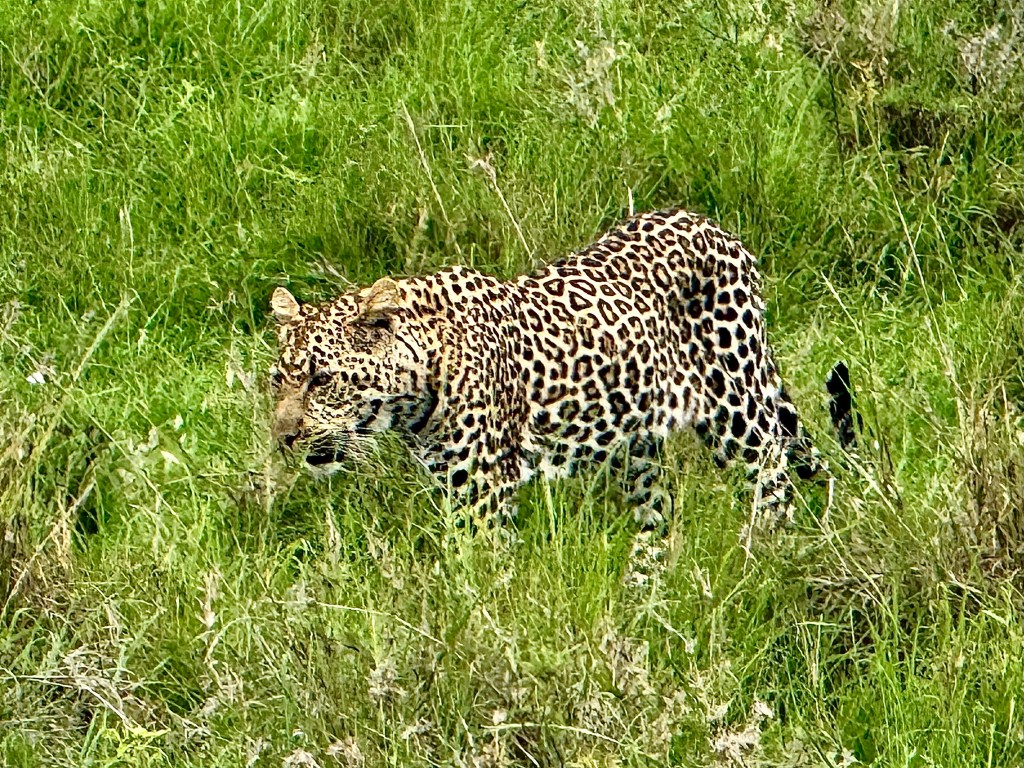
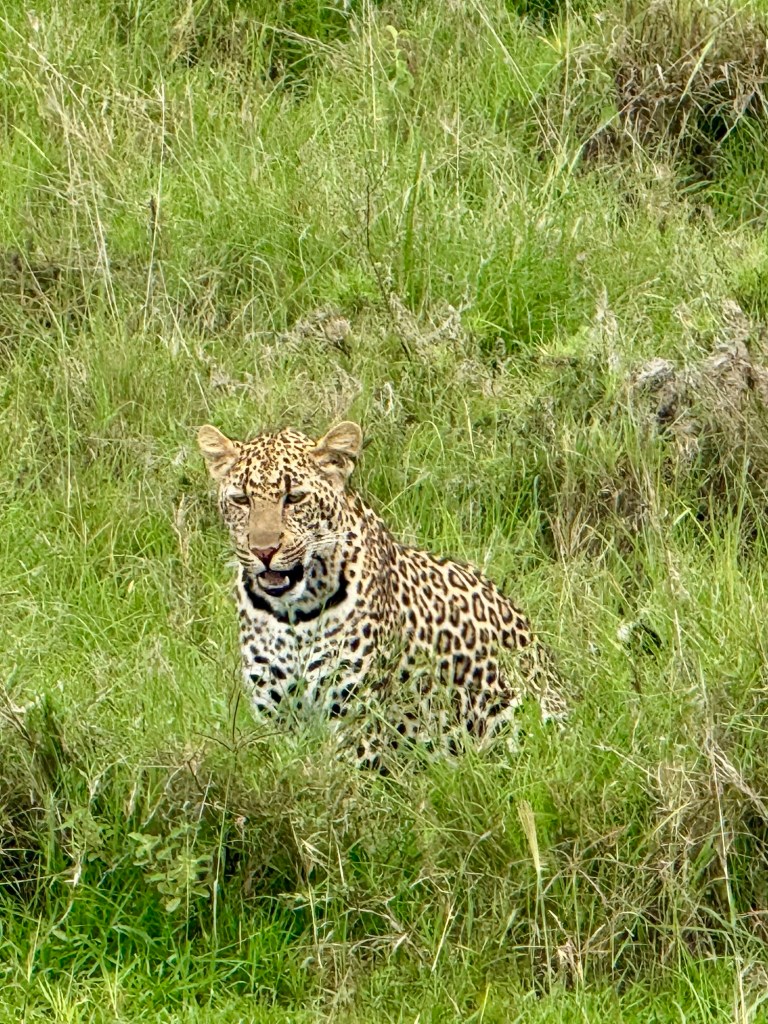
It casually strolled through the long grass before climbing up a tree for better views.
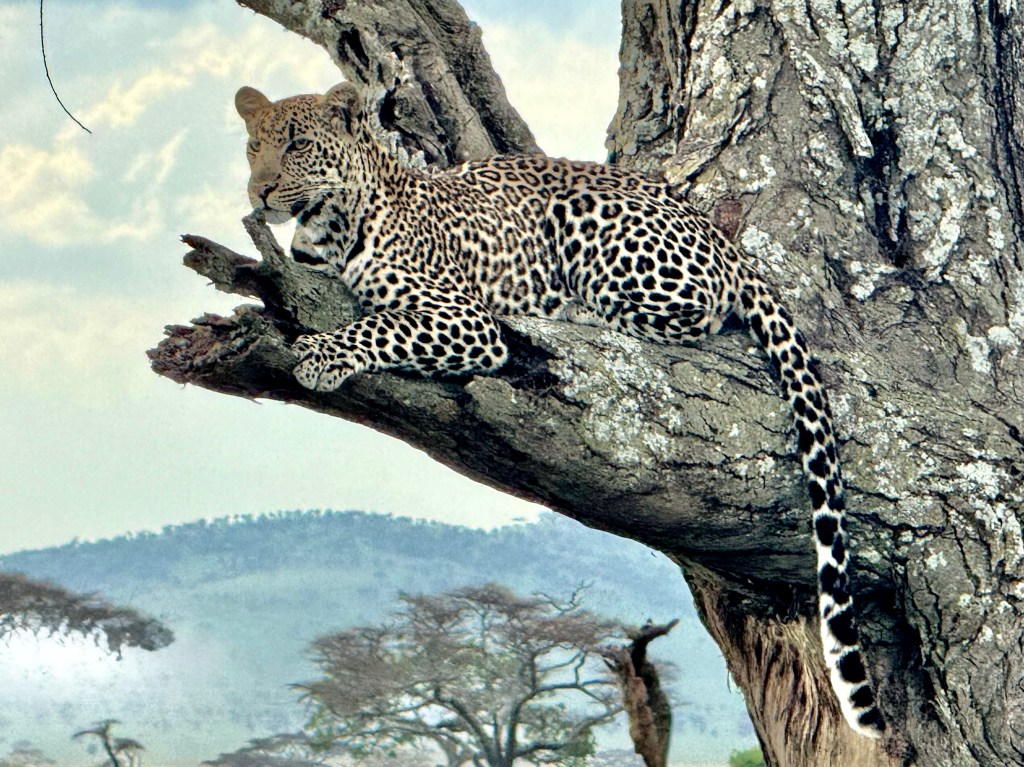
It’s camouflaged coat blending with the tree’s bark.
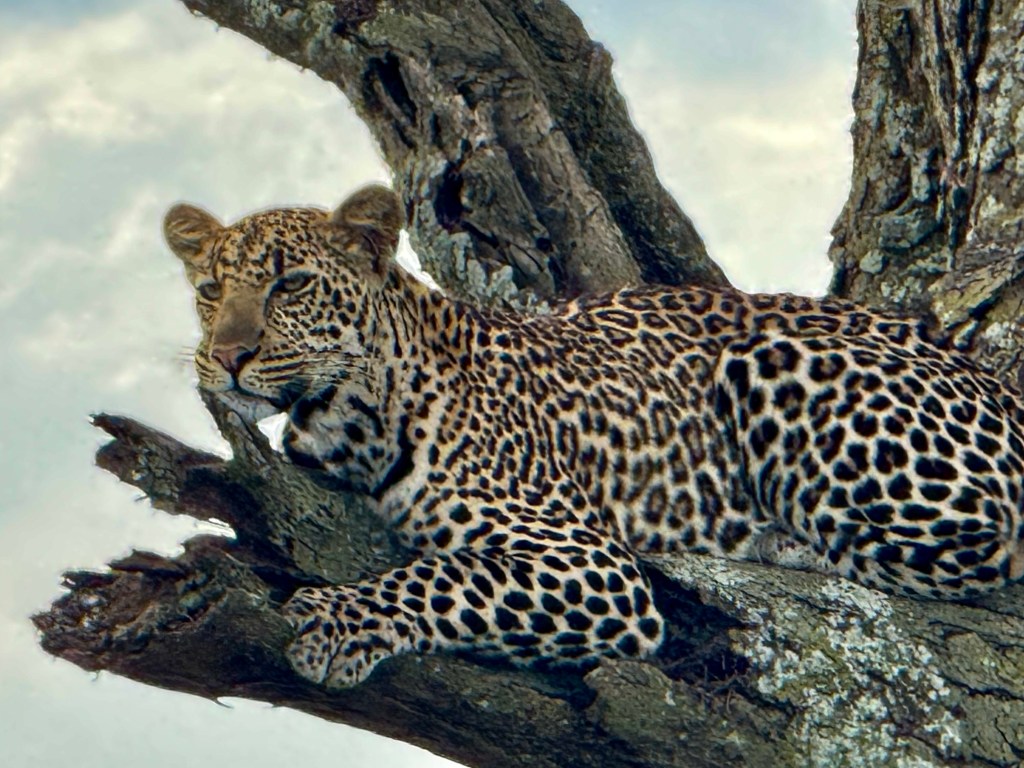
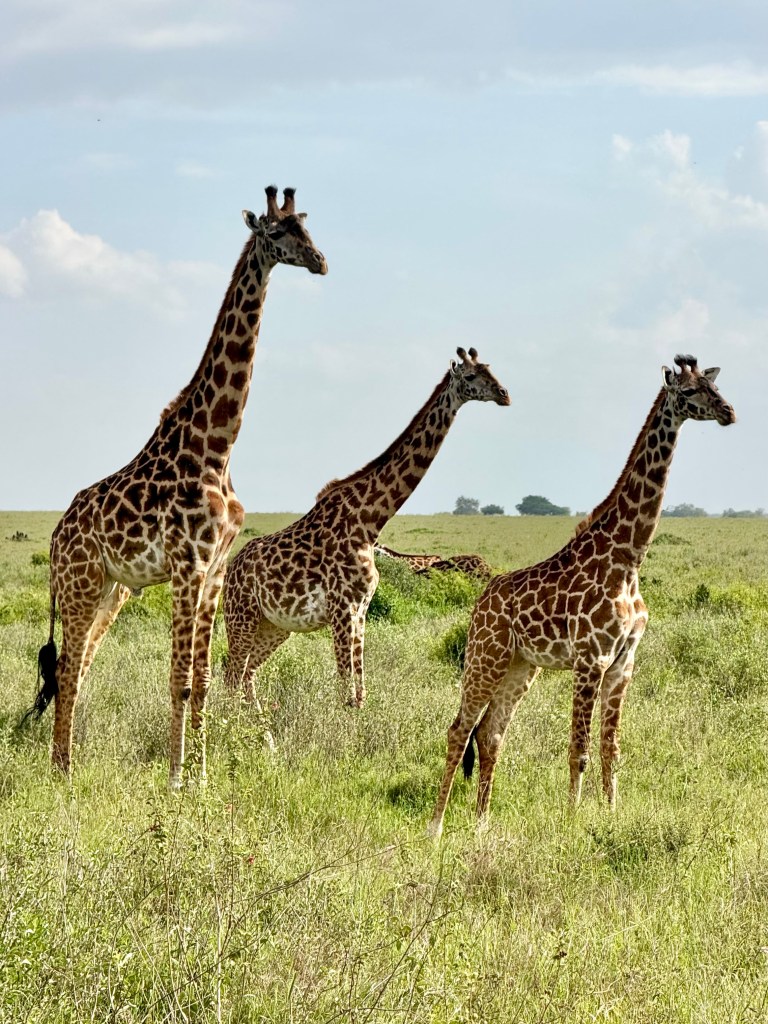
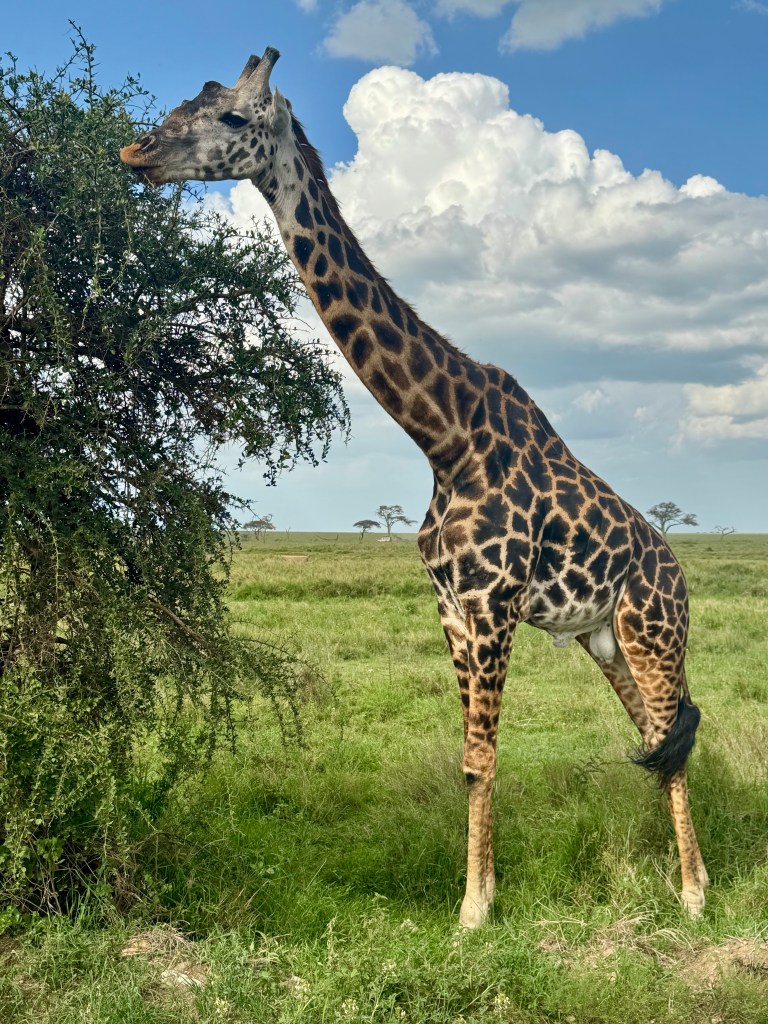
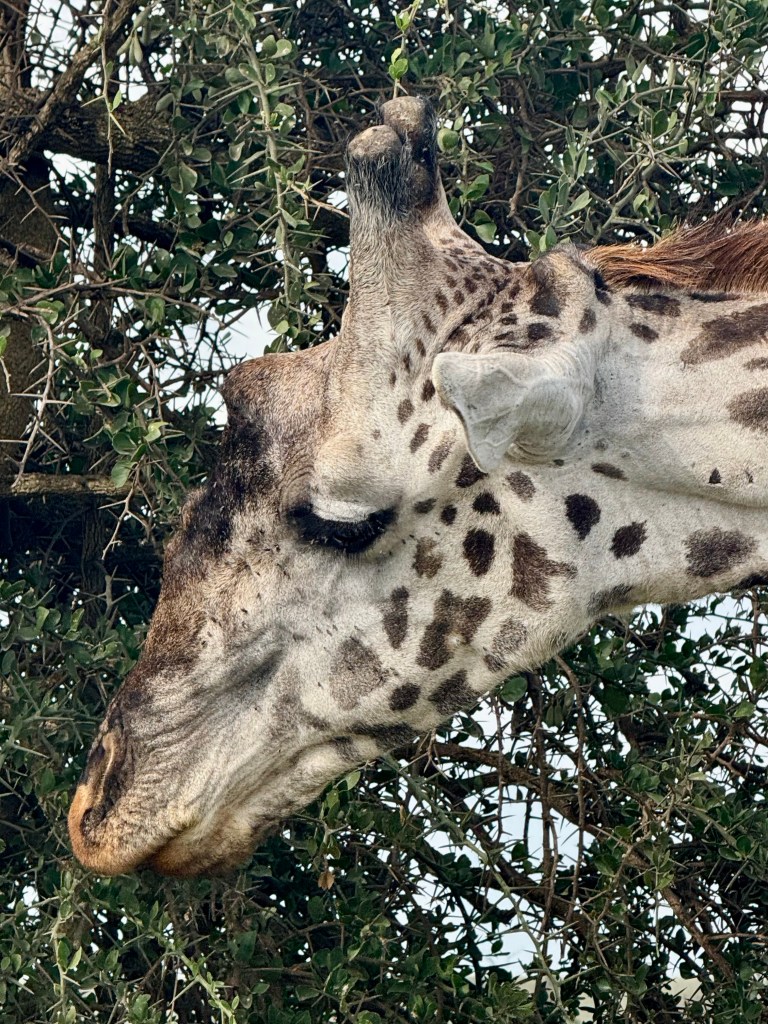
We saw plenty of giraffes too, feeding on leaves, buds, flowers and fruit, their tongues can measure up to 20 inches in length.
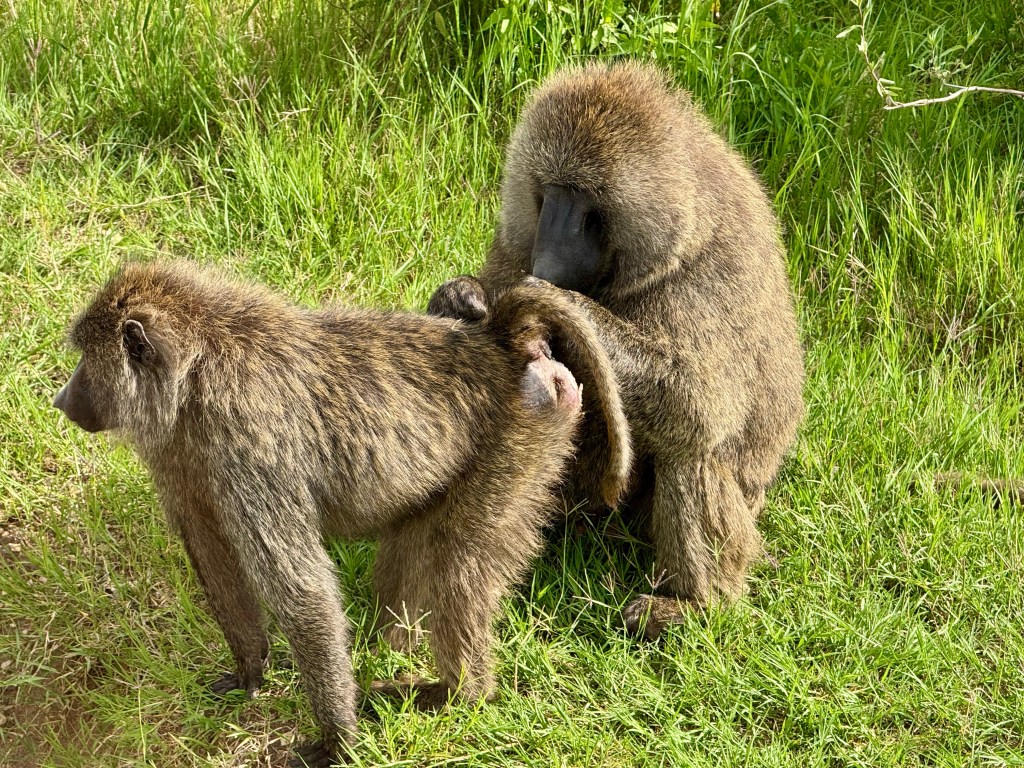
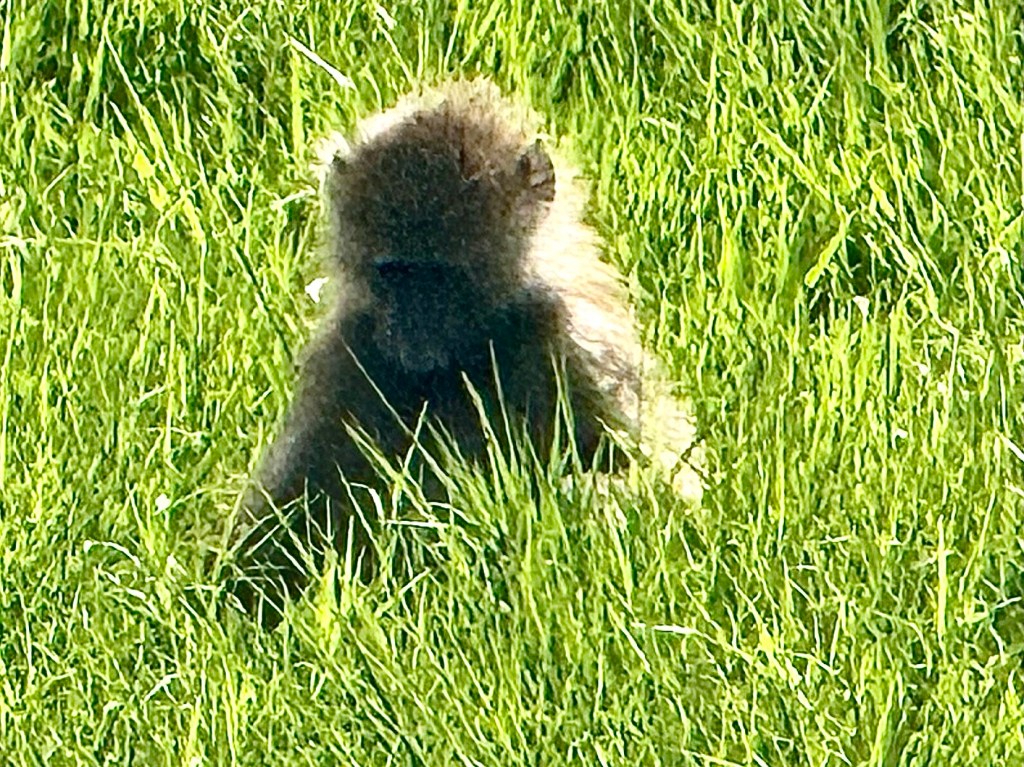
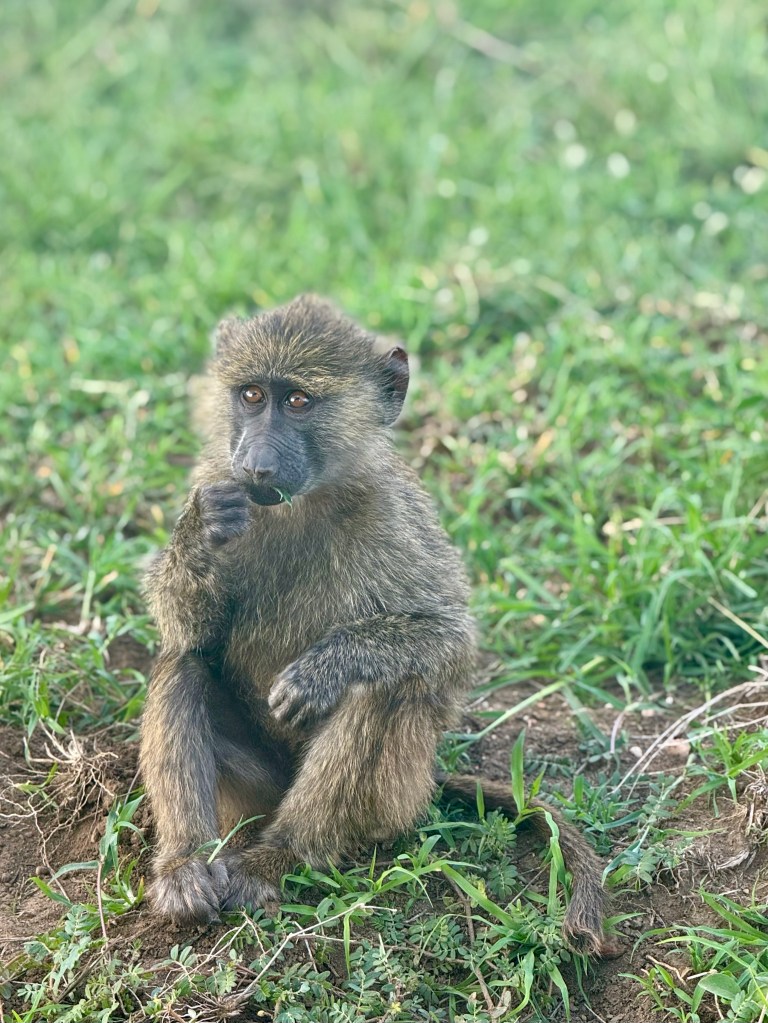
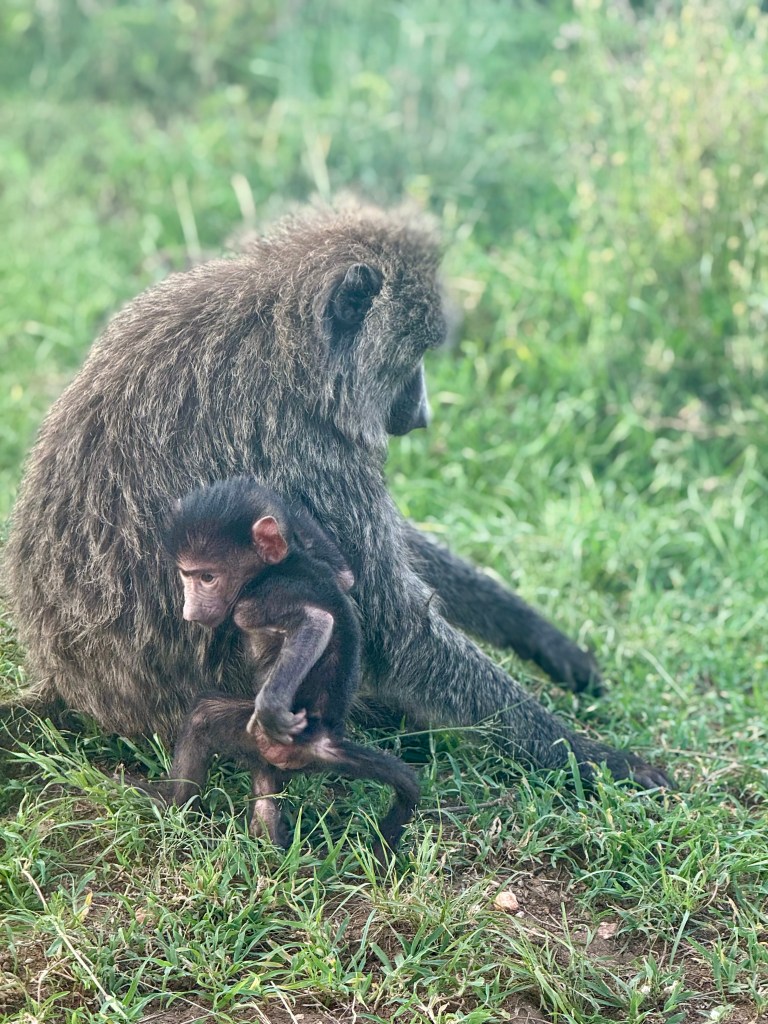
There are many families of baboons here too, this group with their young.
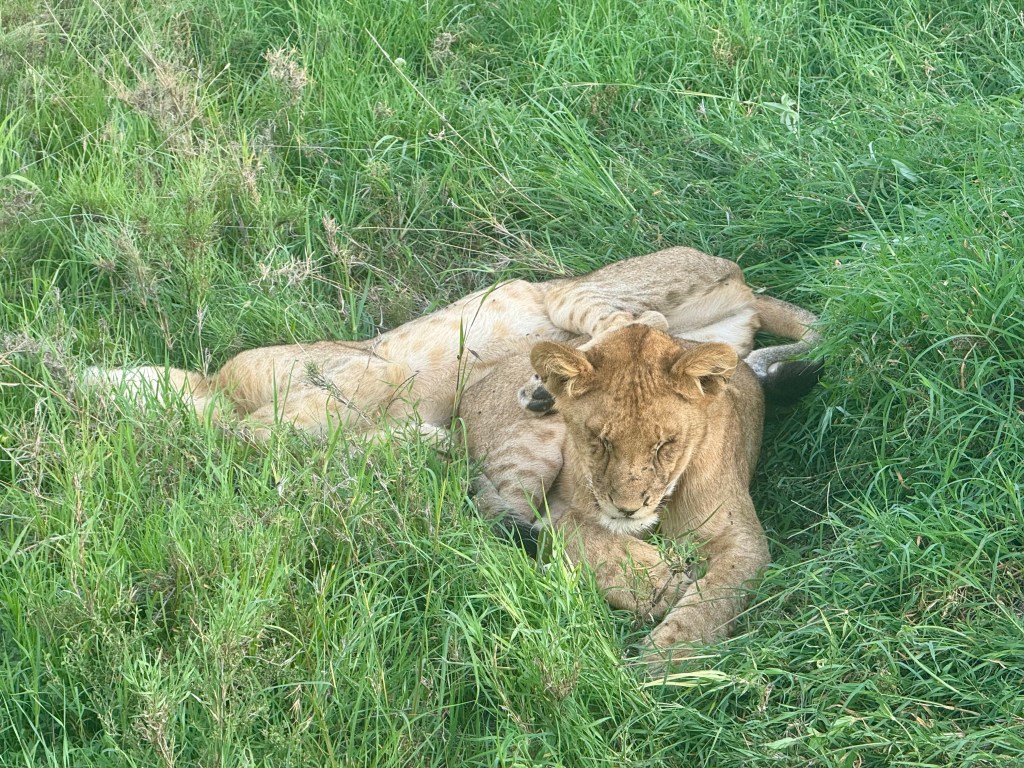
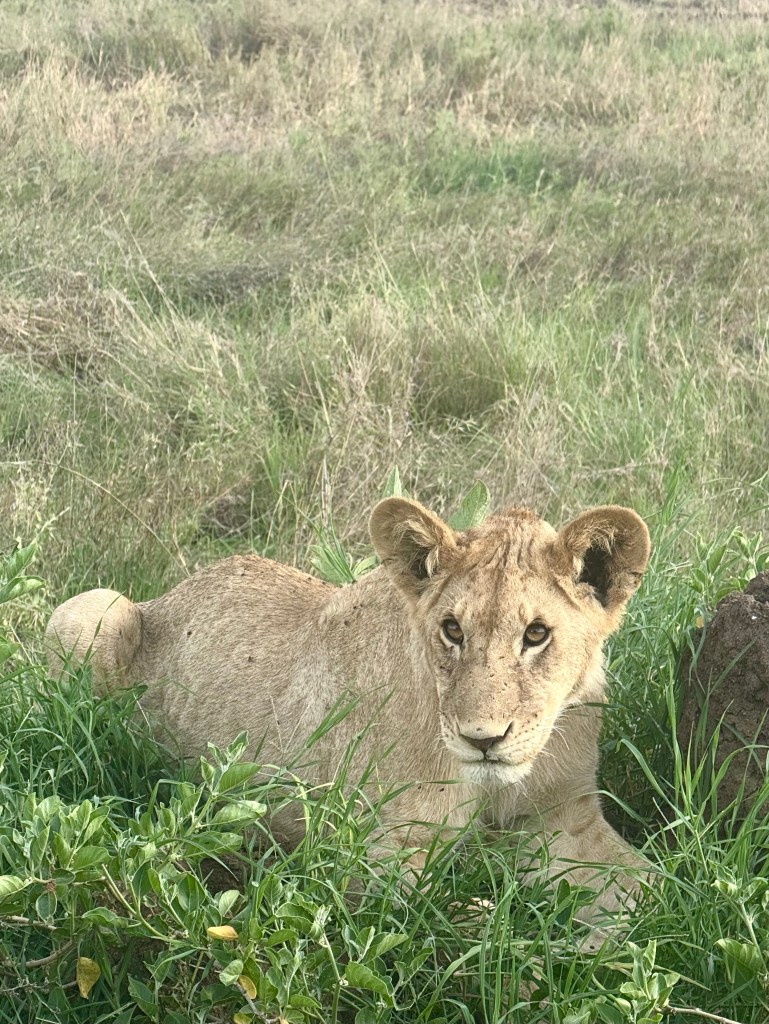
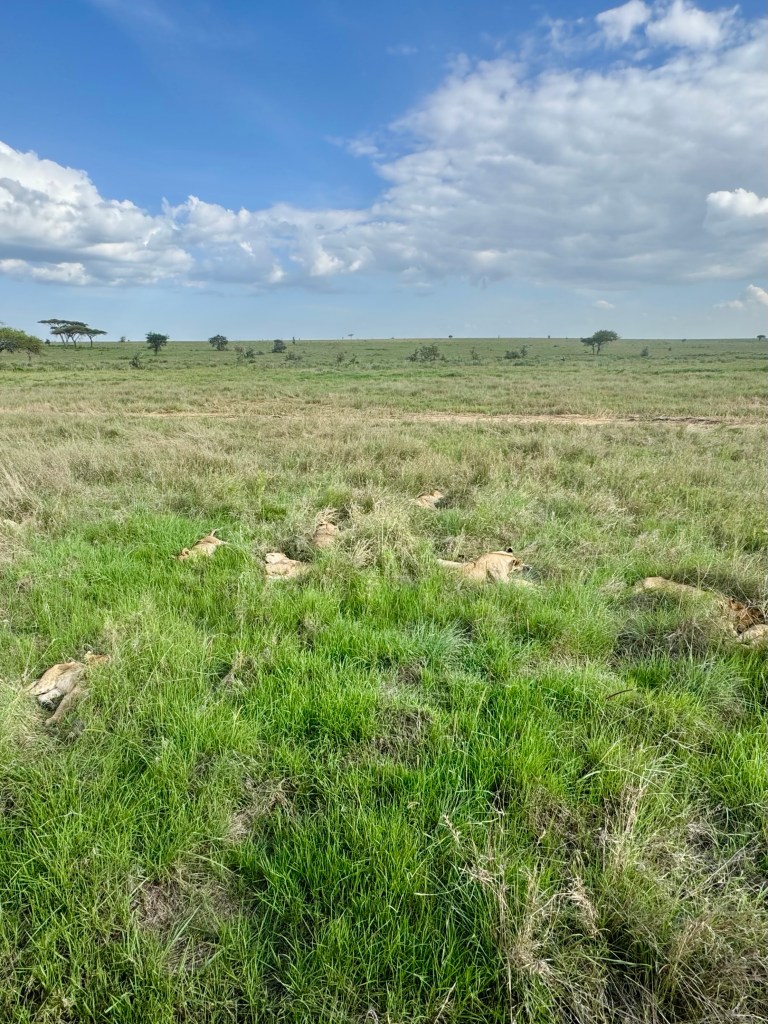
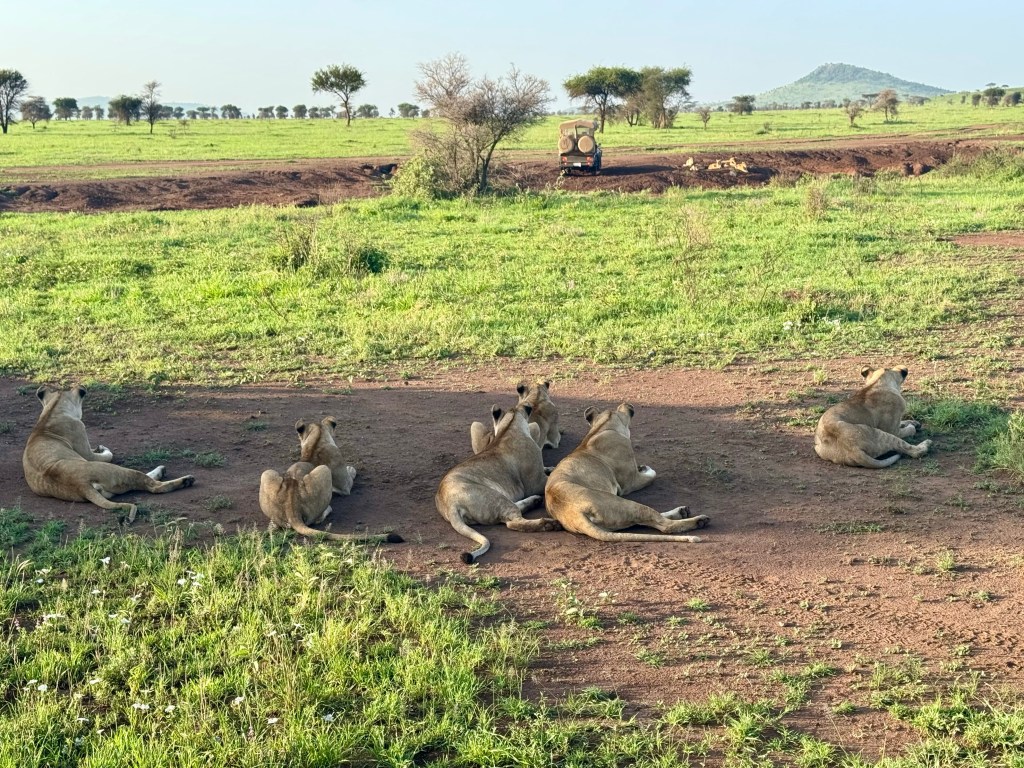
Next we passes by a large pride of lions, resting in the long grass.

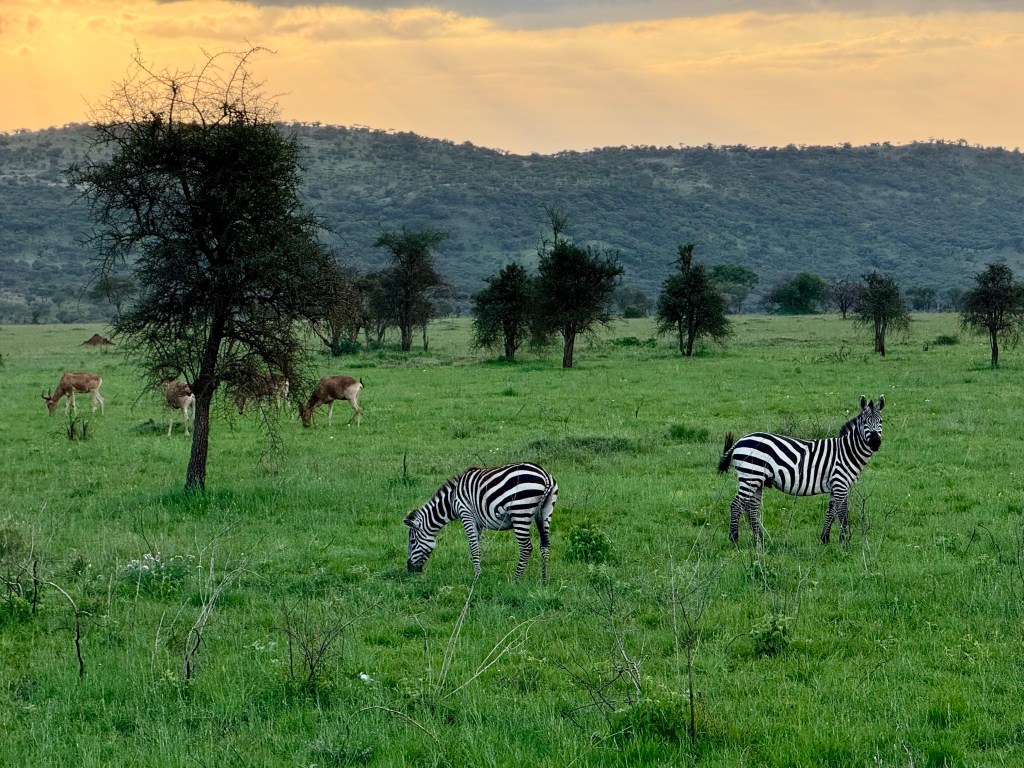
As the evening drew in we passed gazelles and topi munching away on the rich grasslands.
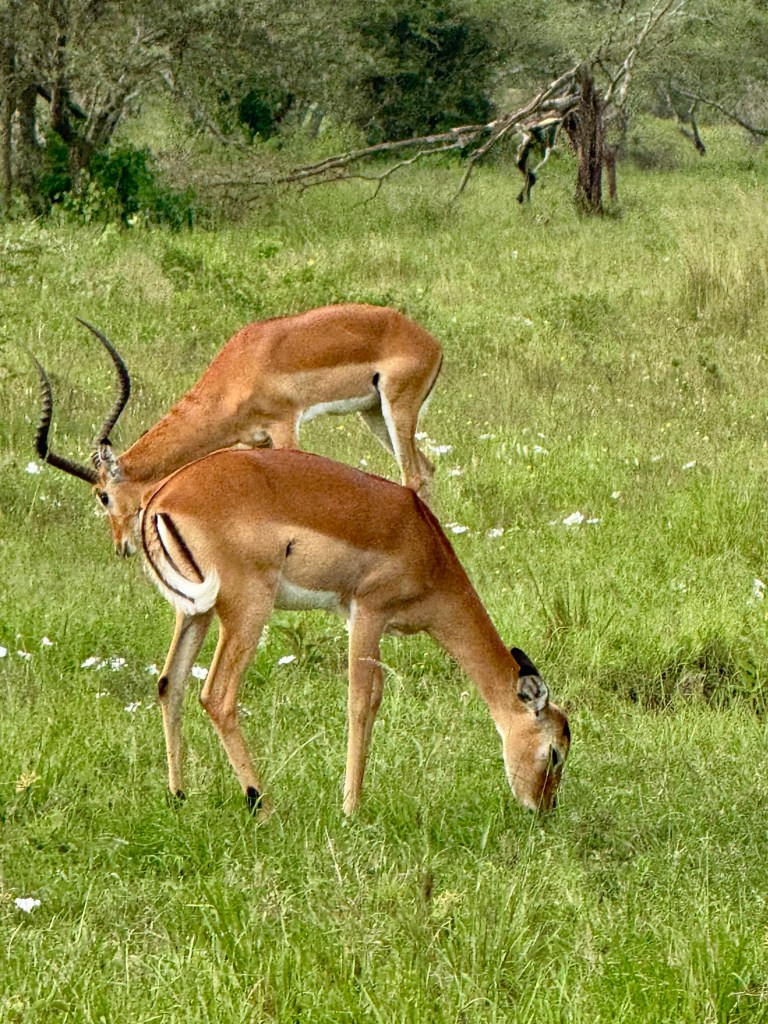
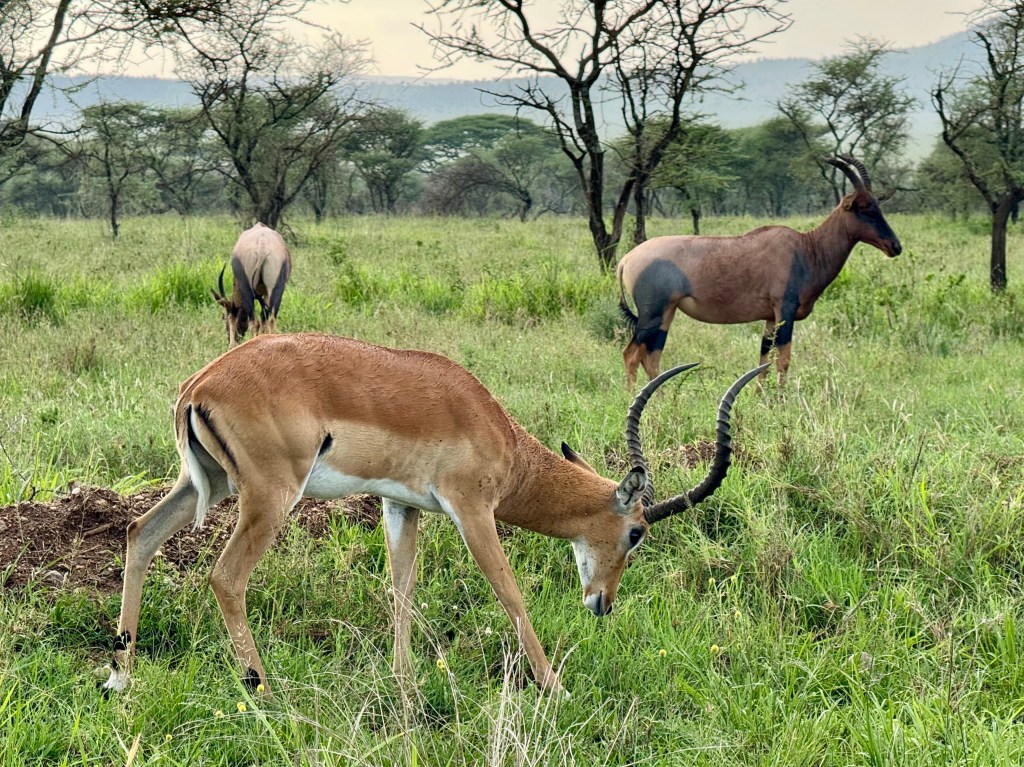
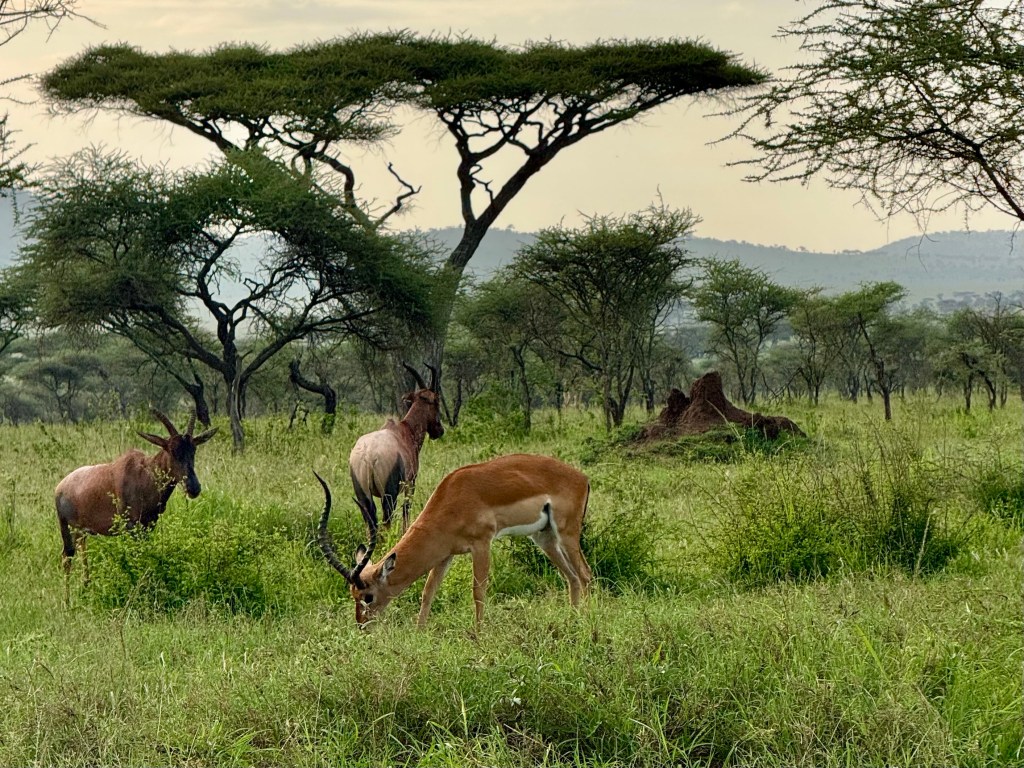
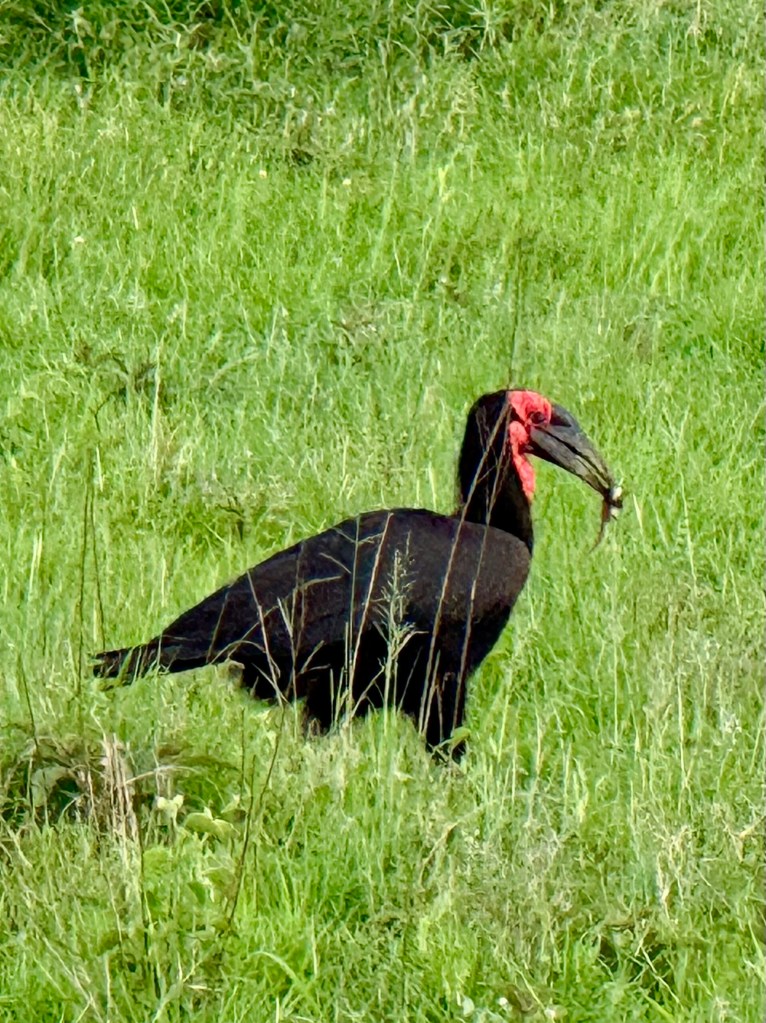
Below is a southern ground-hornbill.
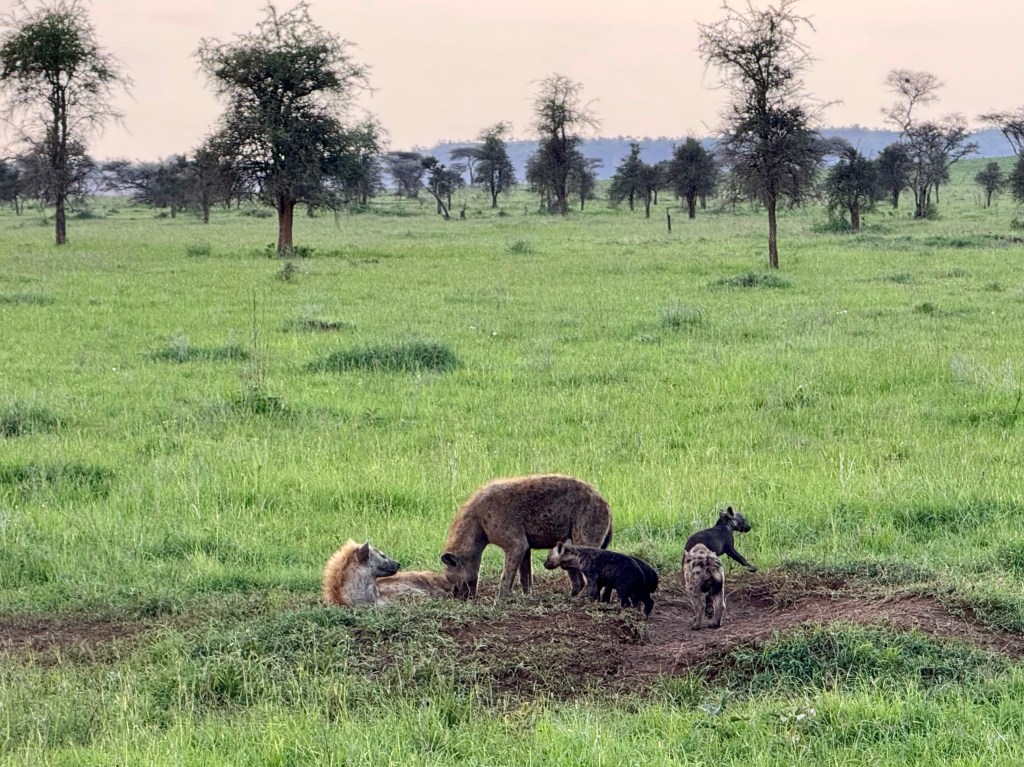
With the sun starting to set we found a group of hyenas relaxing on the road ahead.
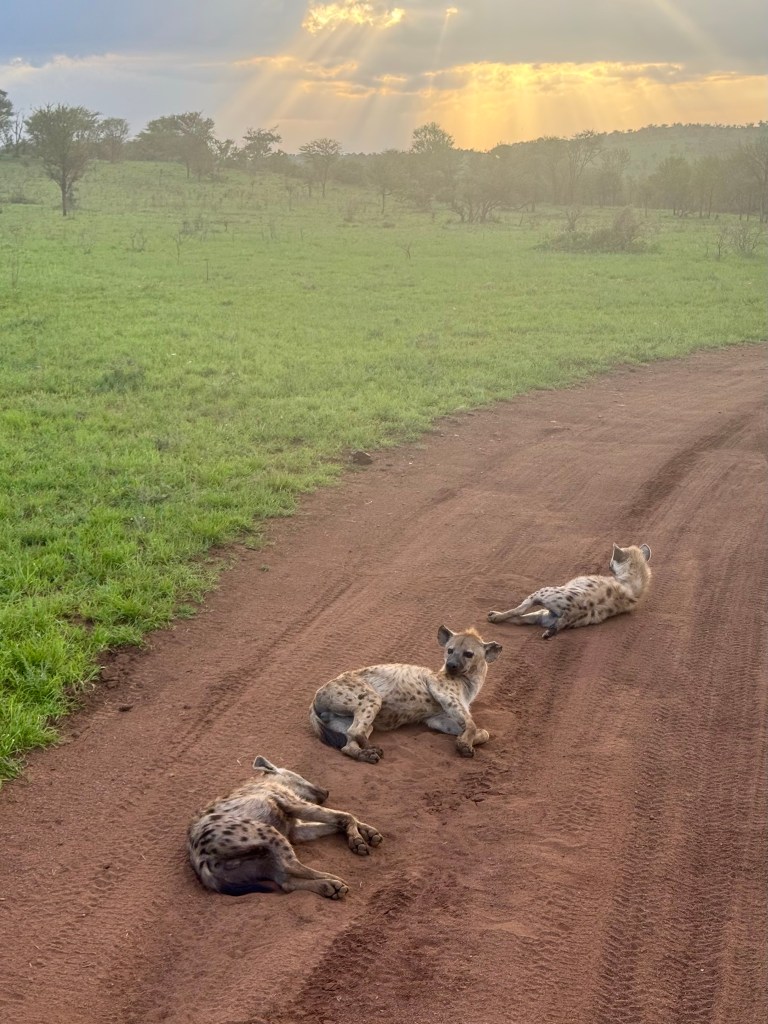
They seemed happy to stay put even as we approached in the jeep.
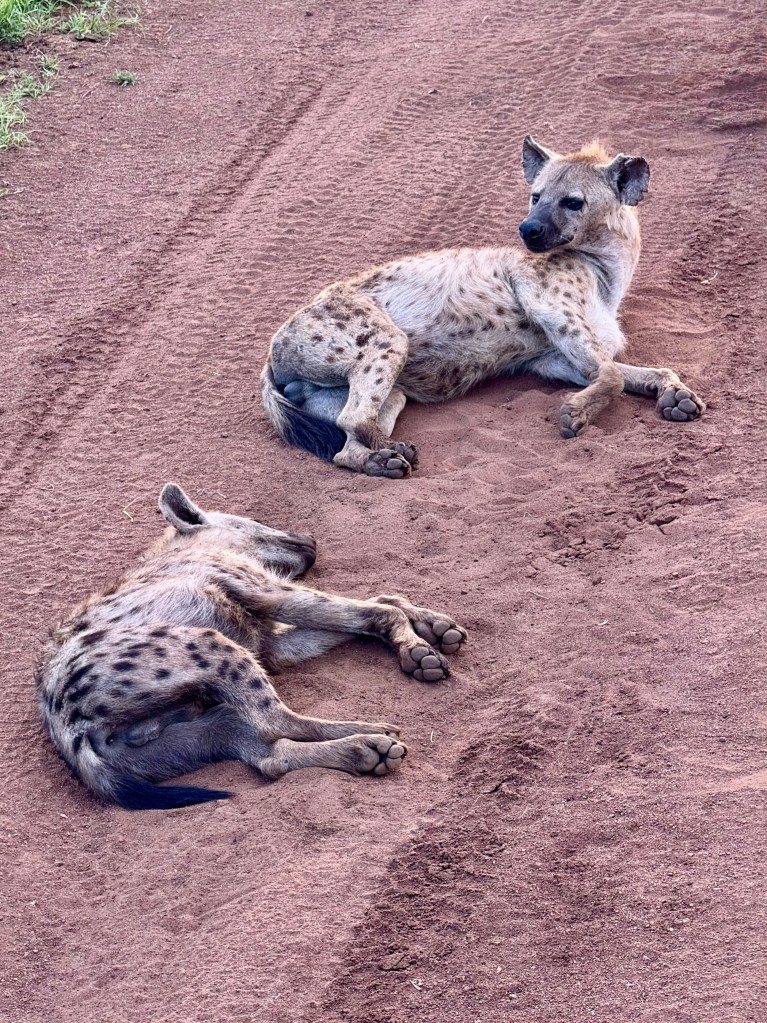
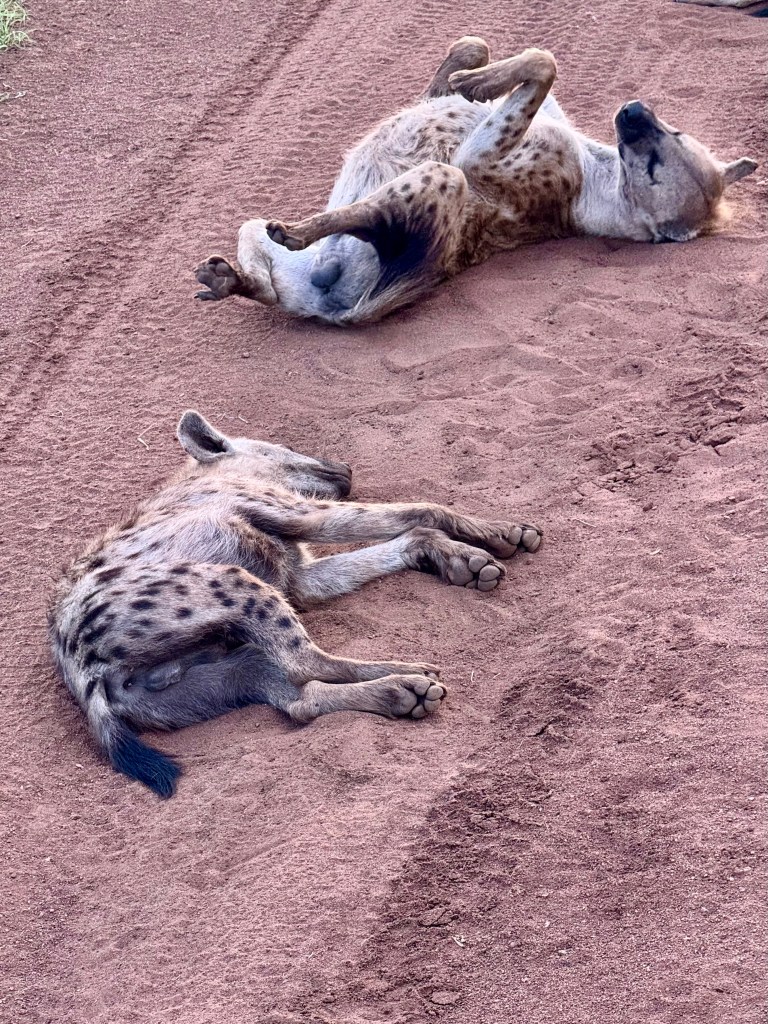
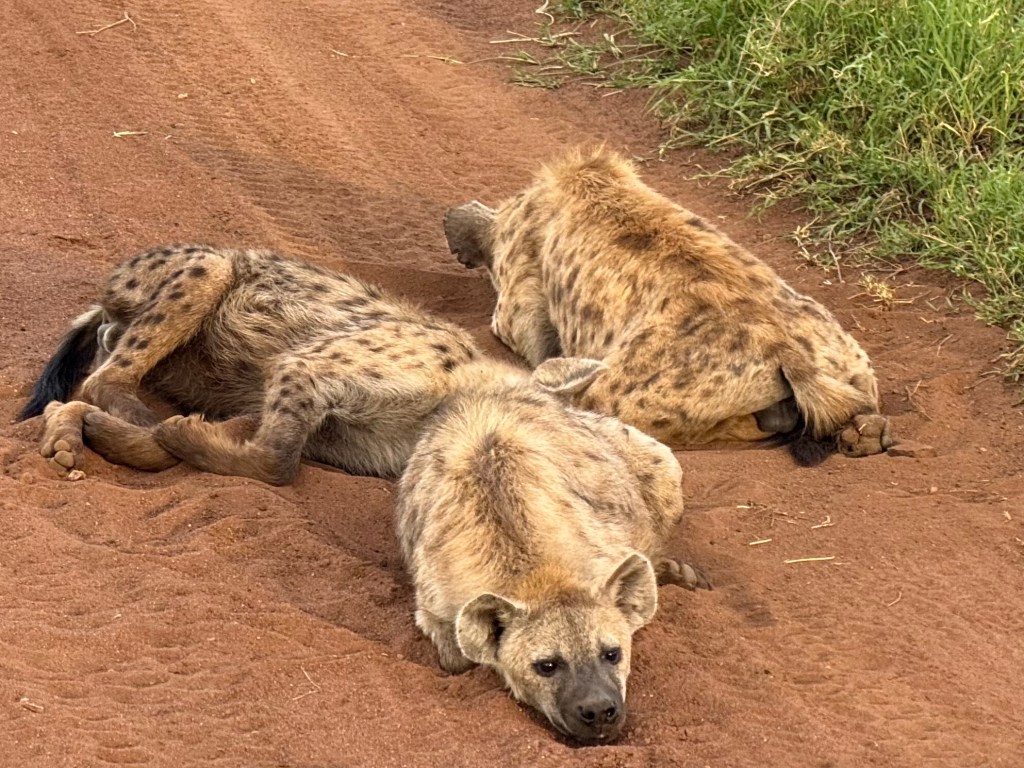
Their den was nearby with their young visible.
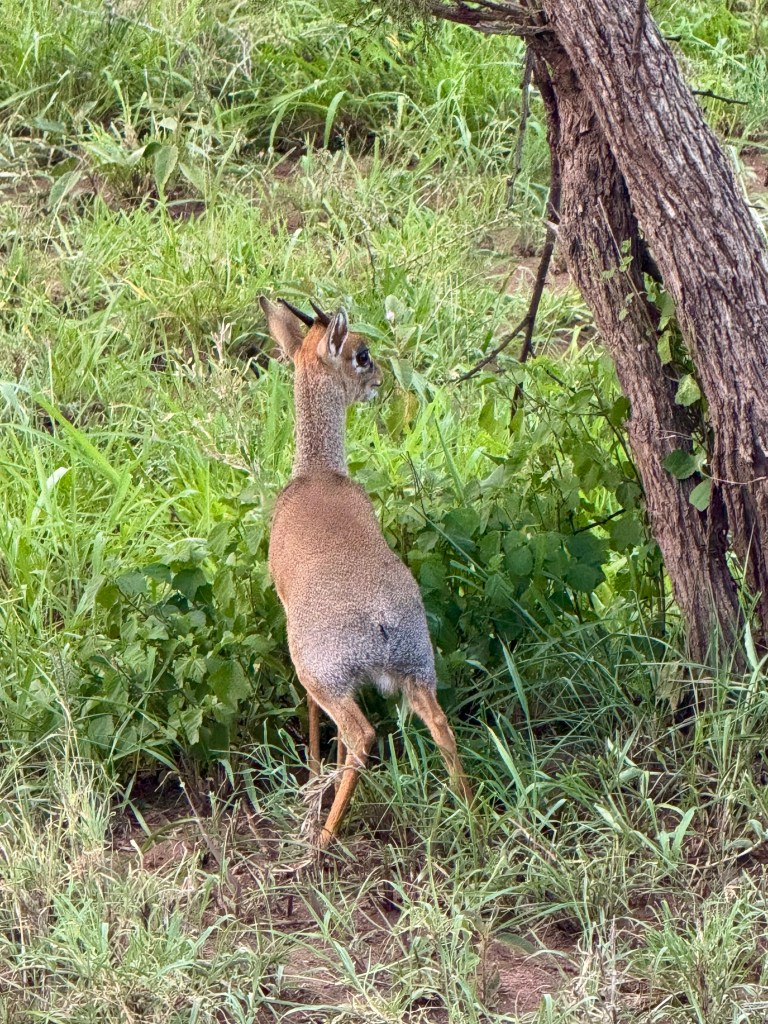
This small antelope is called a Dik-dik. The mating pair stay together for life and we were told that if one mate dies the remaining one becomes suicidal.
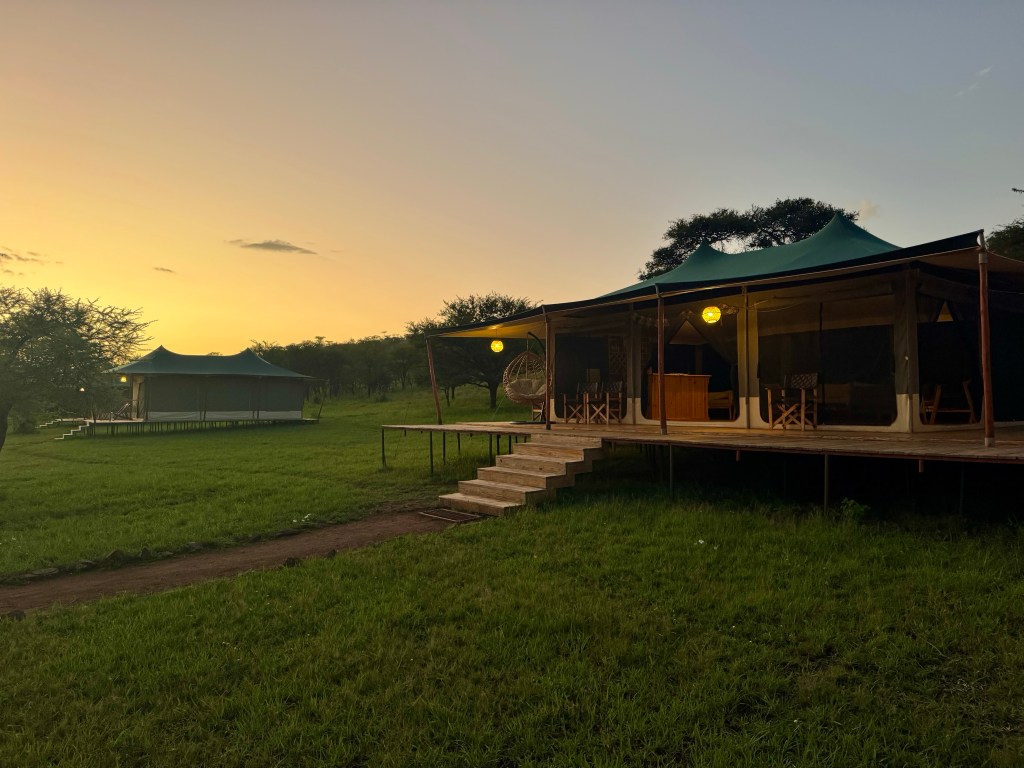
Below is a picture of our camp for the night, set within the park itself we had a walkie talkie to radio in if we wanted to leave our room after dark, so we could be escorted safely!
At 6am start the next day brought a wonderful sunrise.
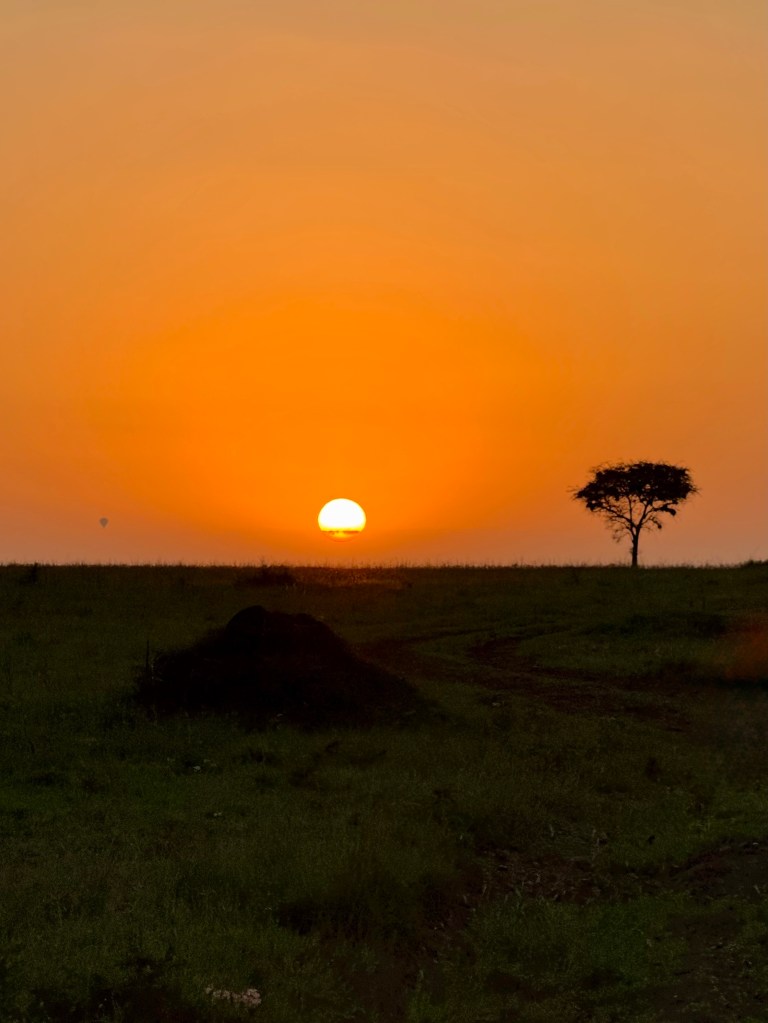
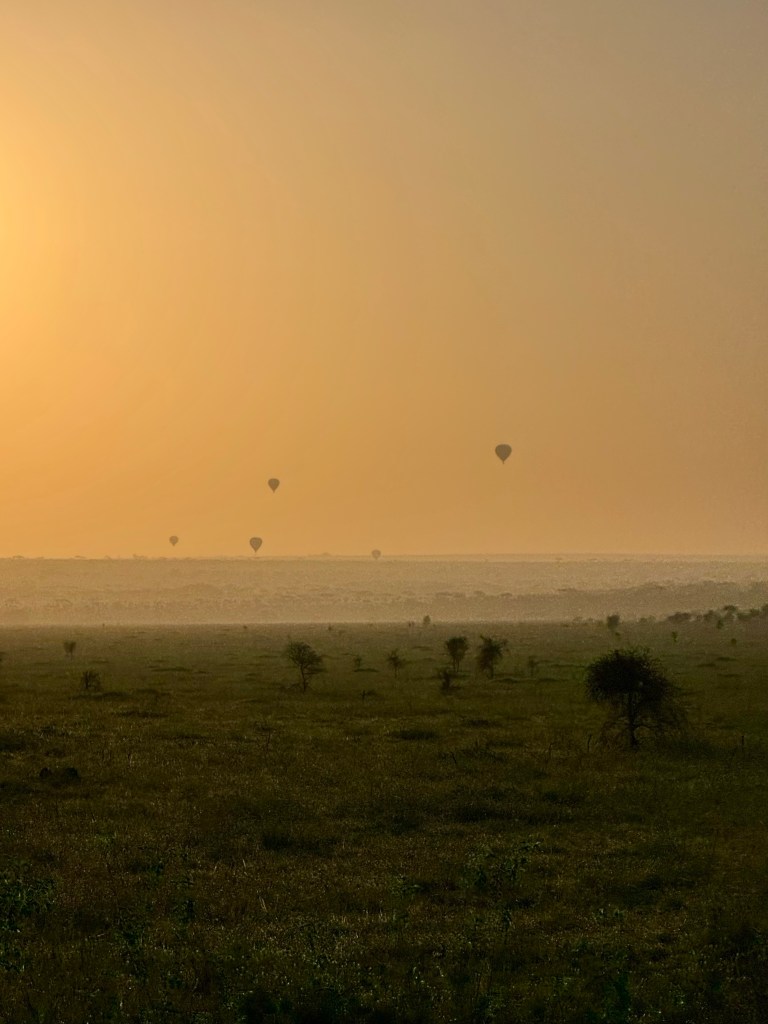
We could see the hot air balloons rising in the distance.
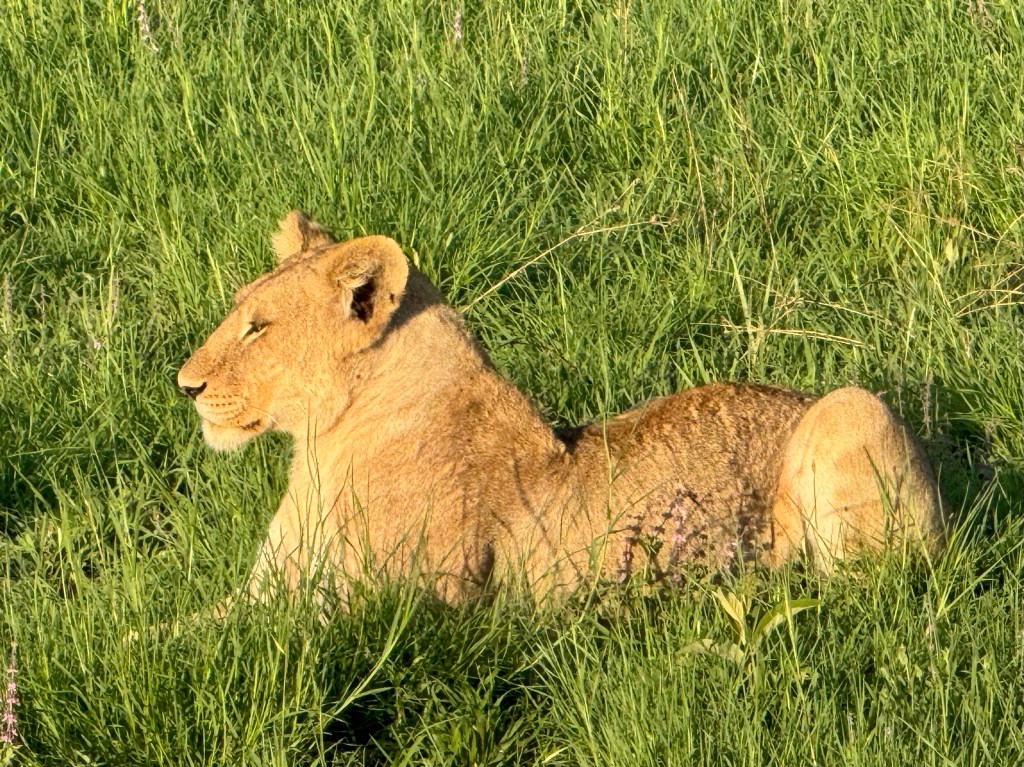
We saw a pride of lions warming in the morning sun nearby.

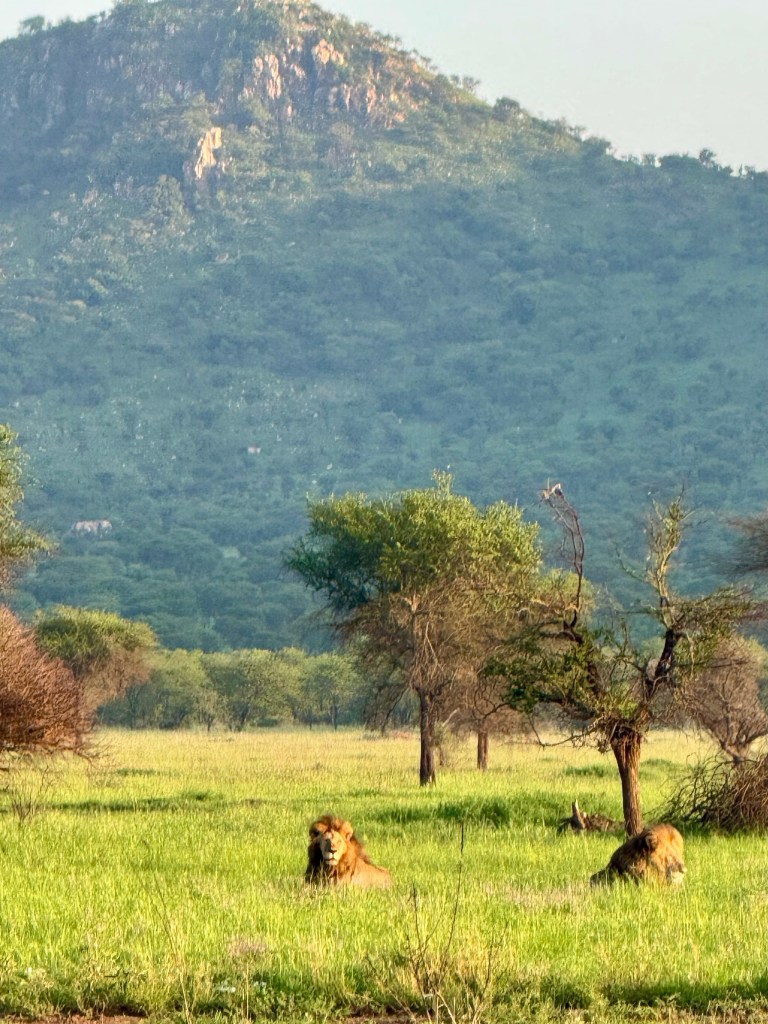
Two male lions were settled a little further away.
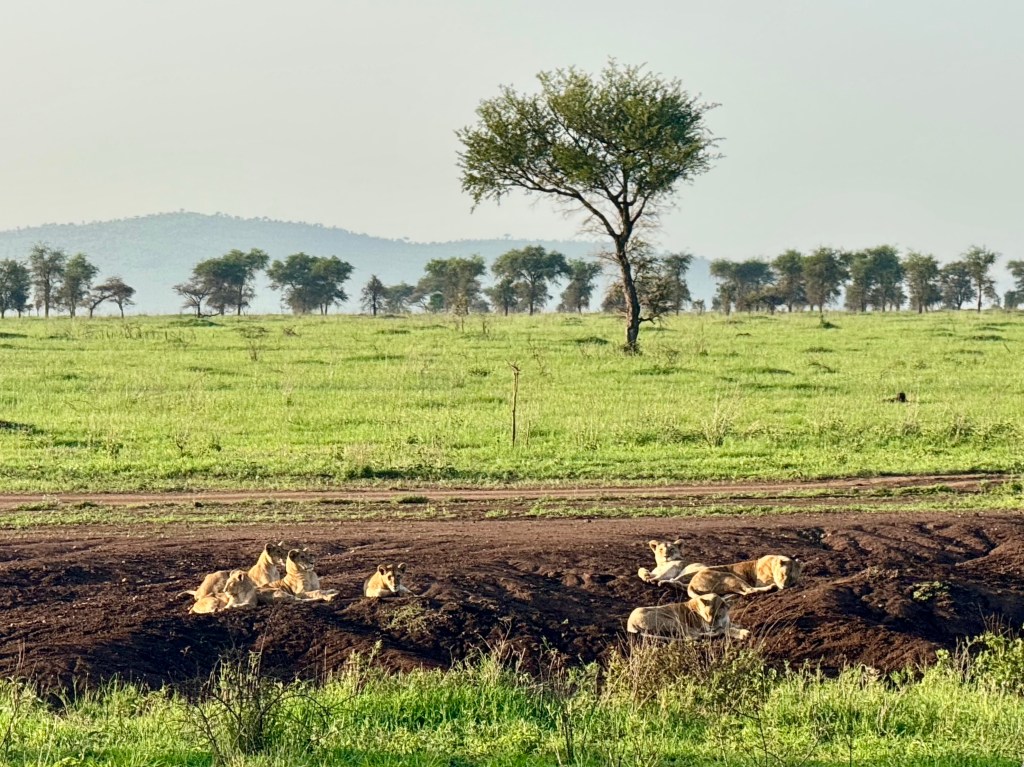
A few hundred metres away we spotted an even larger group of 15 lions coming to join them.
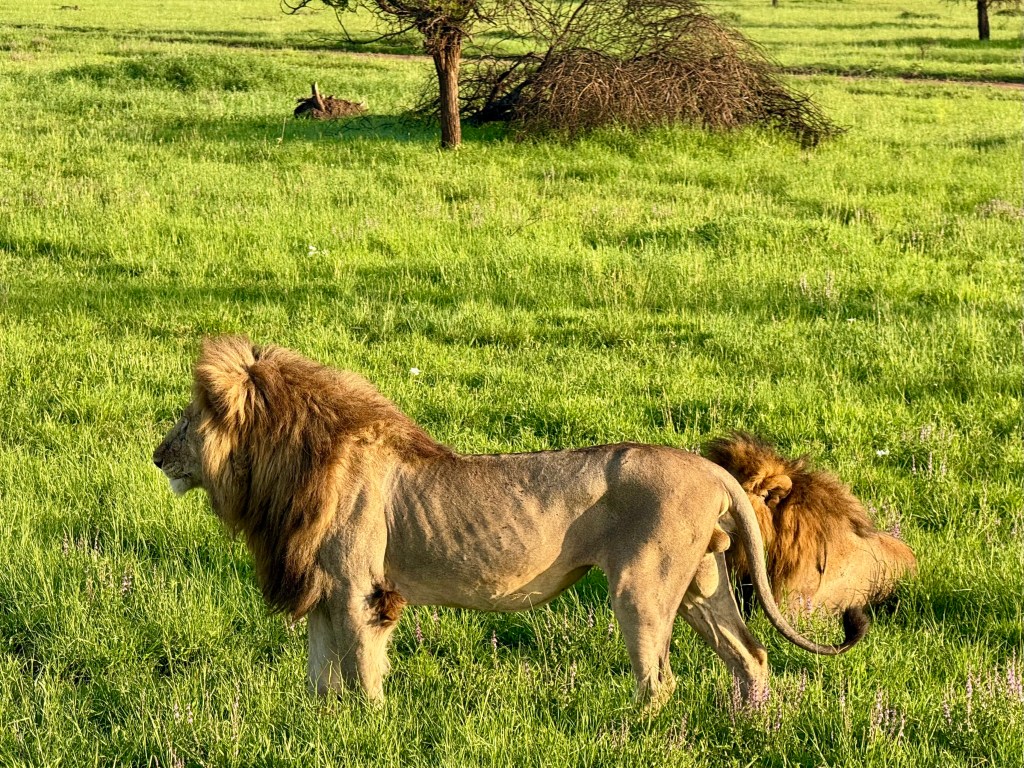
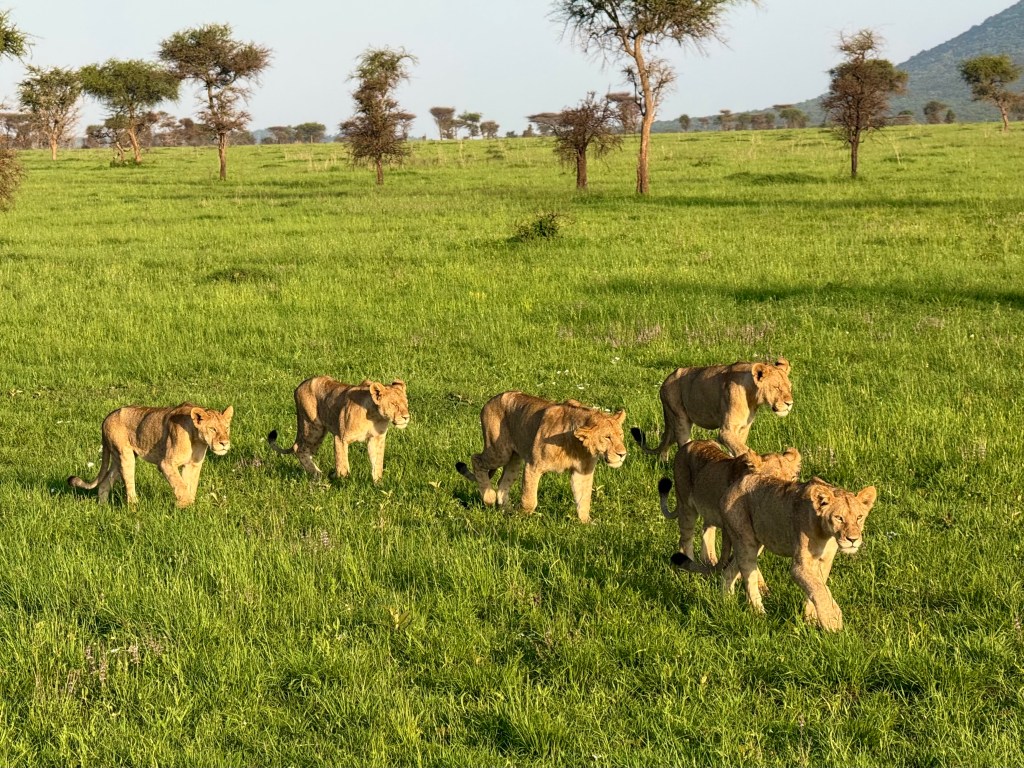
It was an incredible sight to witness, lions everywhere coming together.
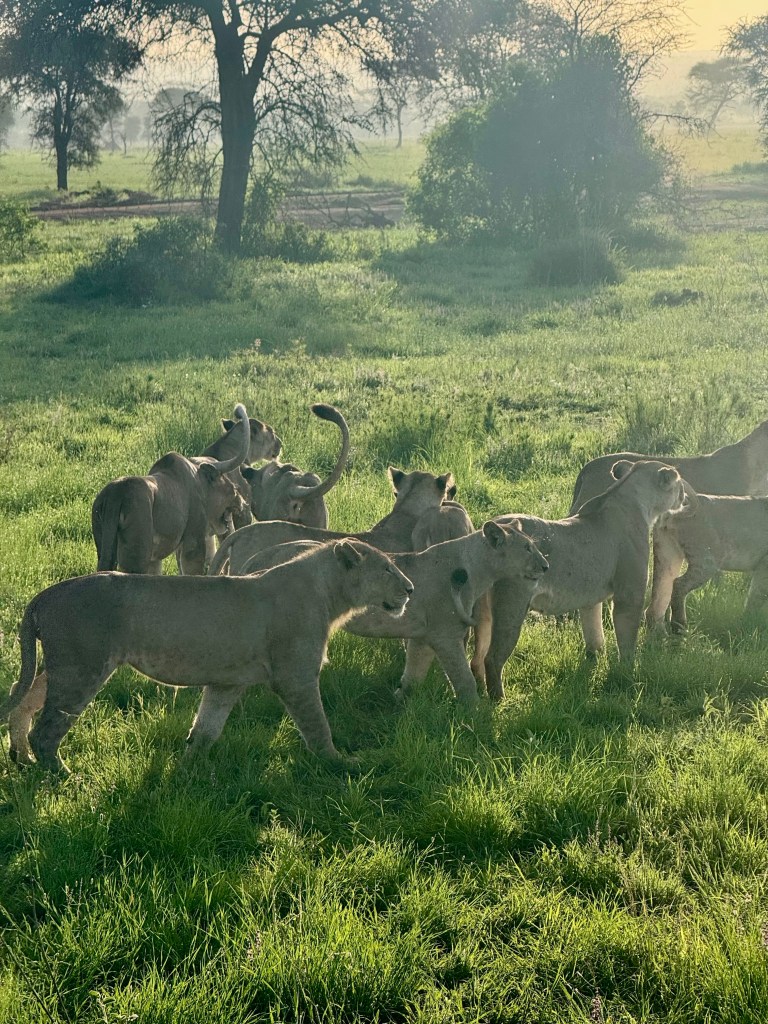
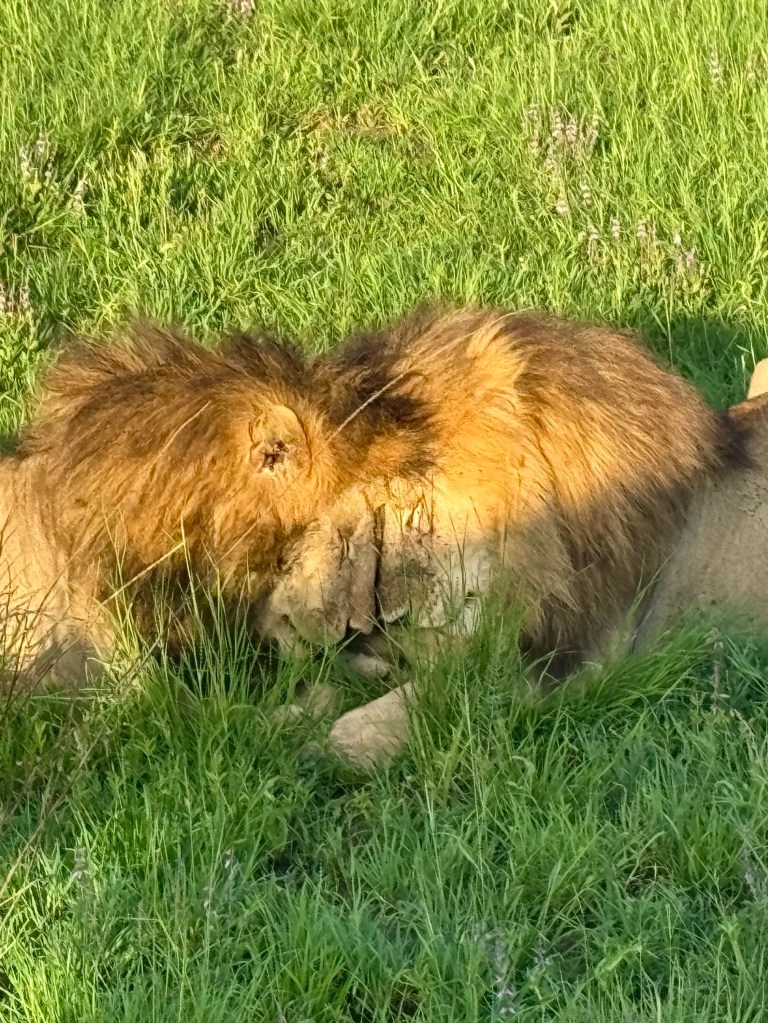
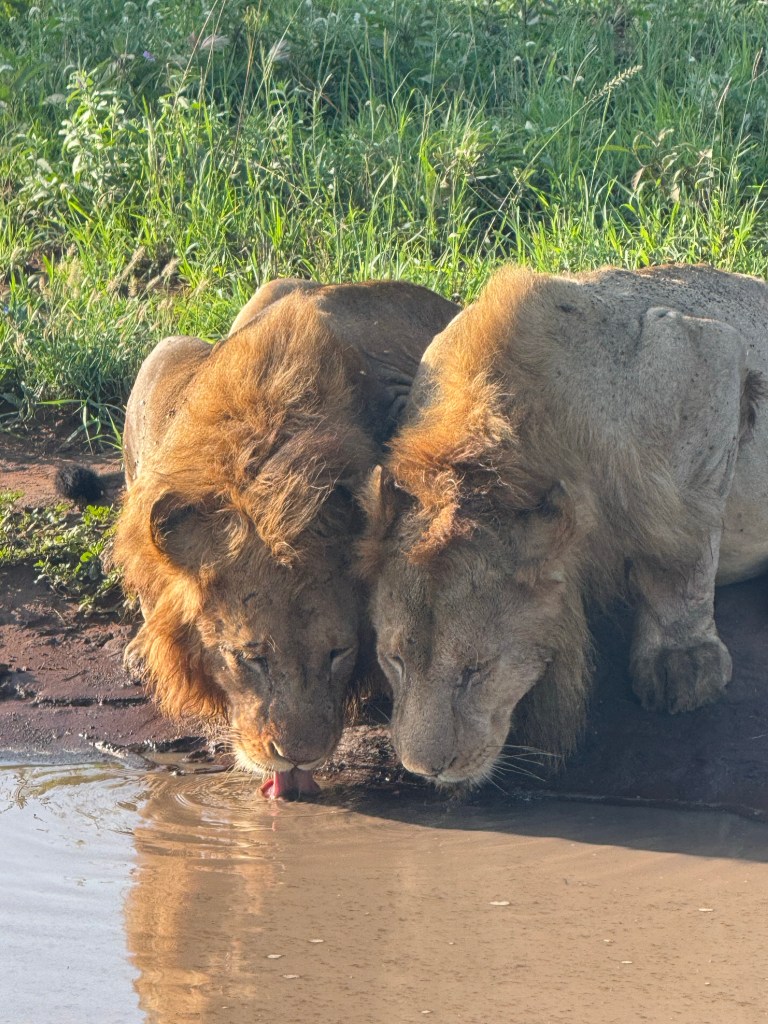
These two males seemed to have a close bond.
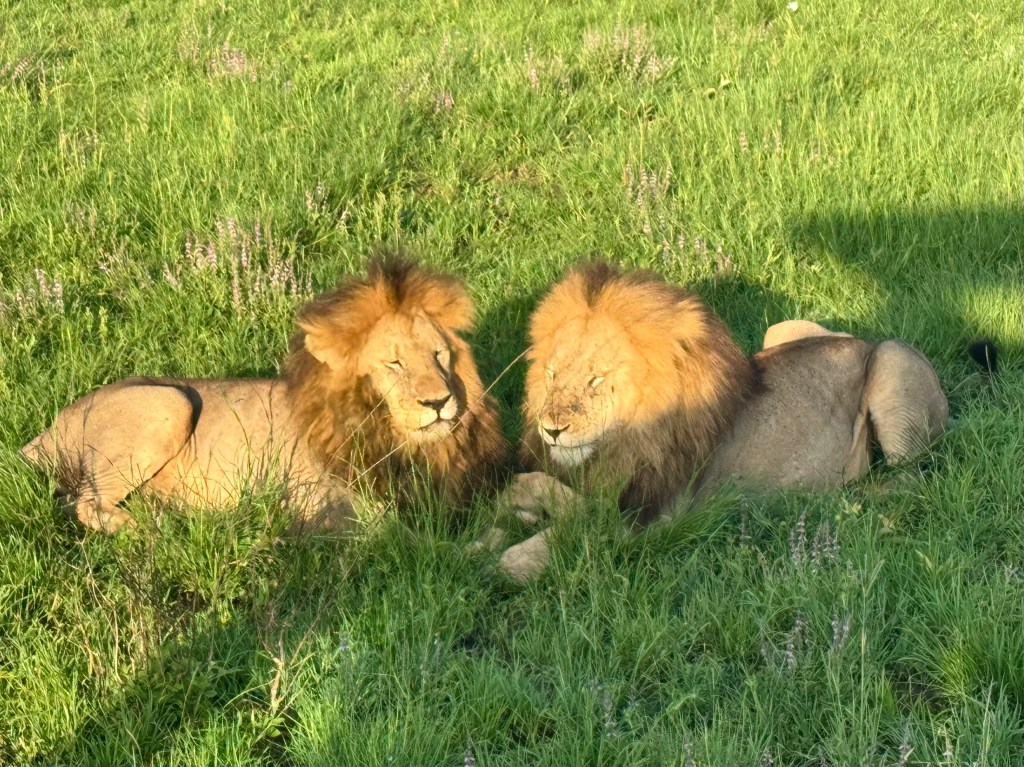
Their heads nuzzled up together, it was quite moving to witness.
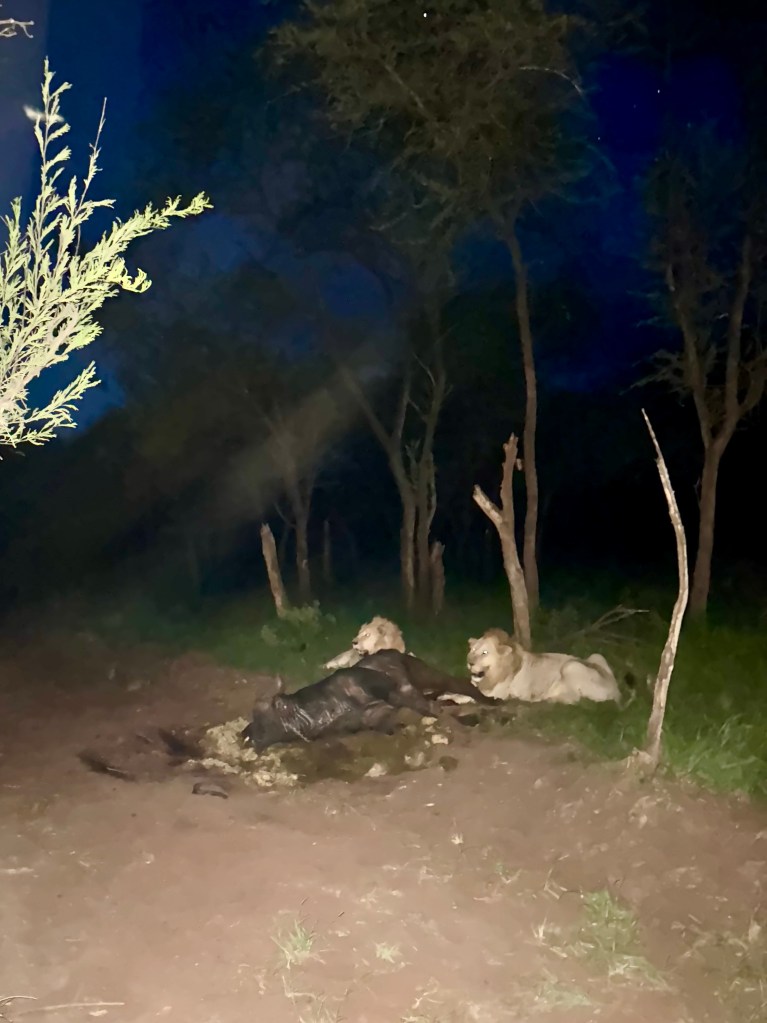
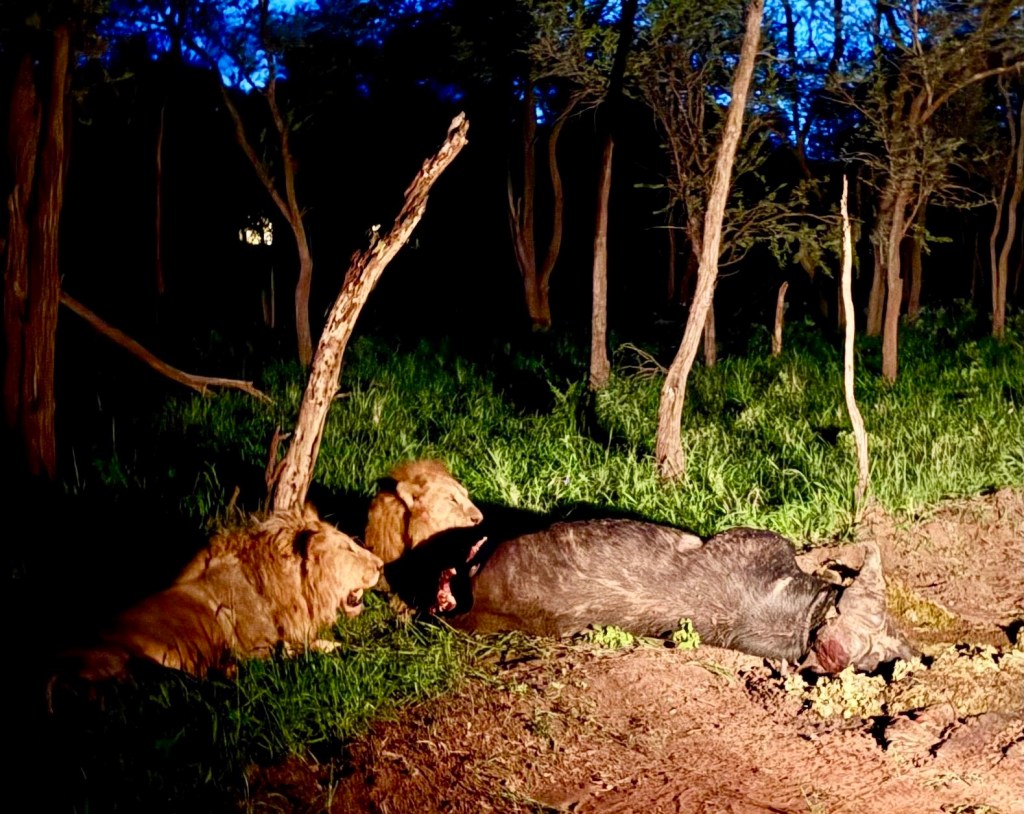
Douglas, our guide, had heard buffalo moving in the early hours last night, close to our camp. He had also heard the likely sounds of a kill, so we circled back to find their fresh buffalo kill nearby, maybe 300 metres from our camp.

The sight was quite disturbing so this is a longer view, the smell and the flies around the carcass were overwhelming.
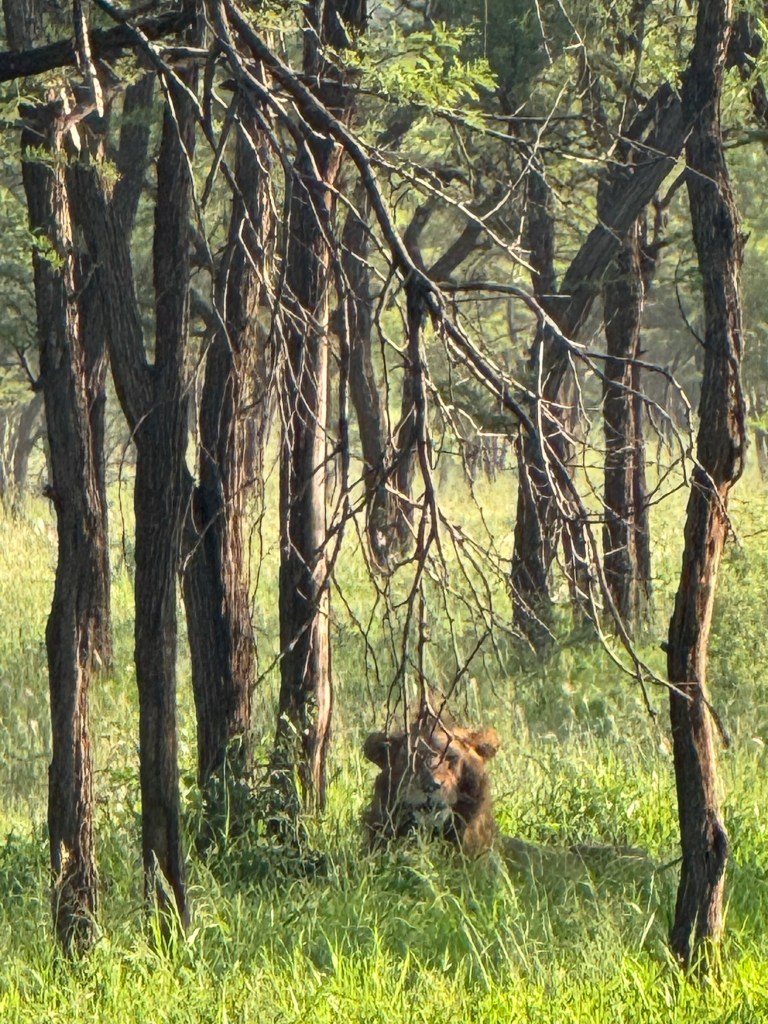
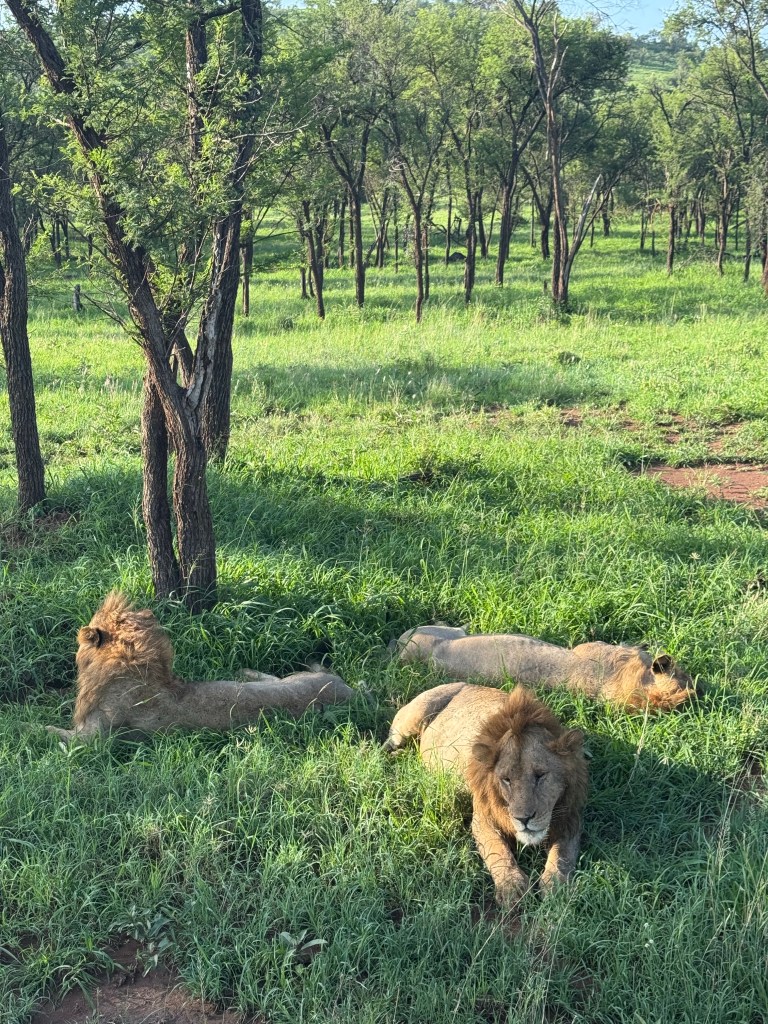
These male lions were the likely culprits.
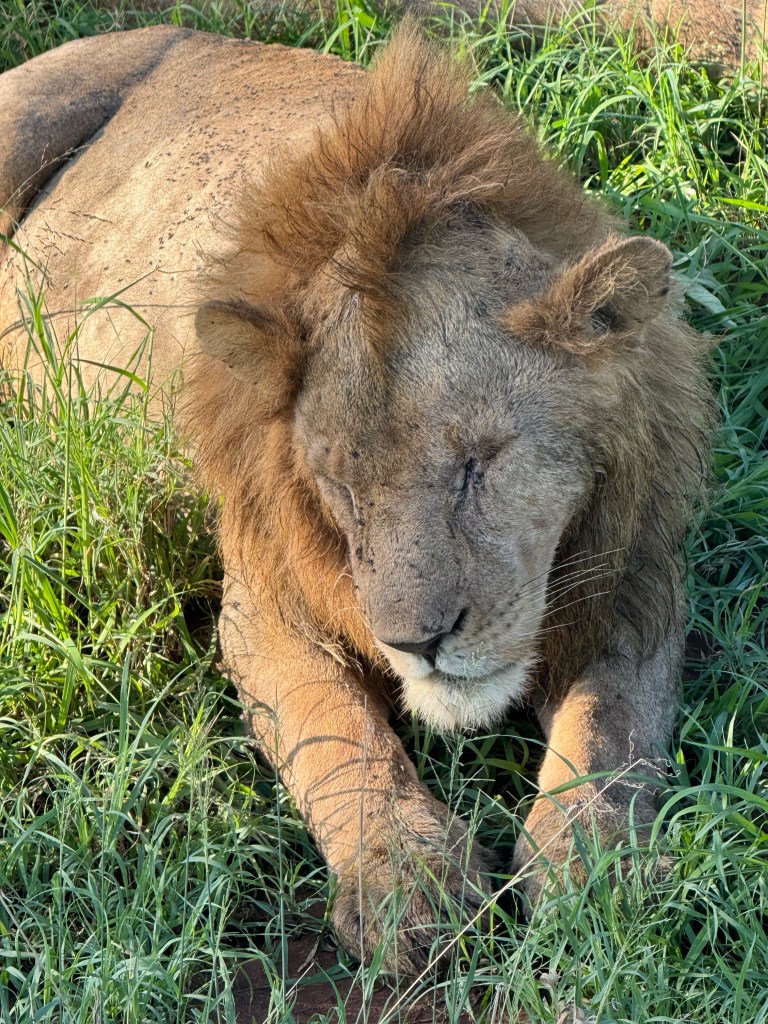
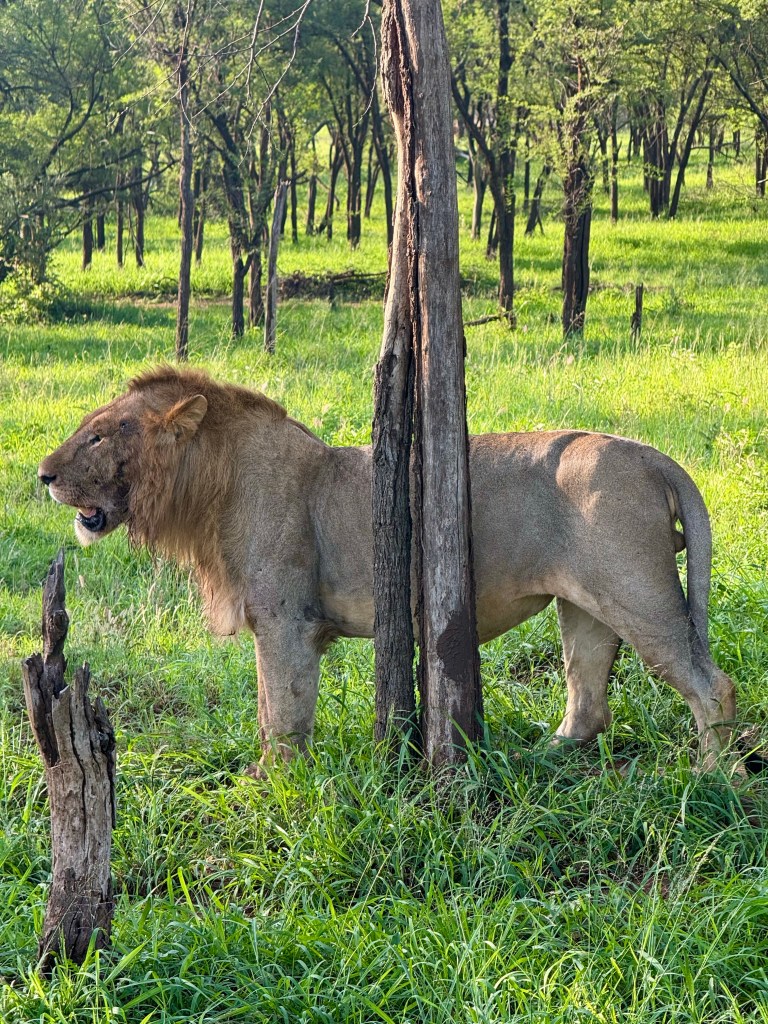
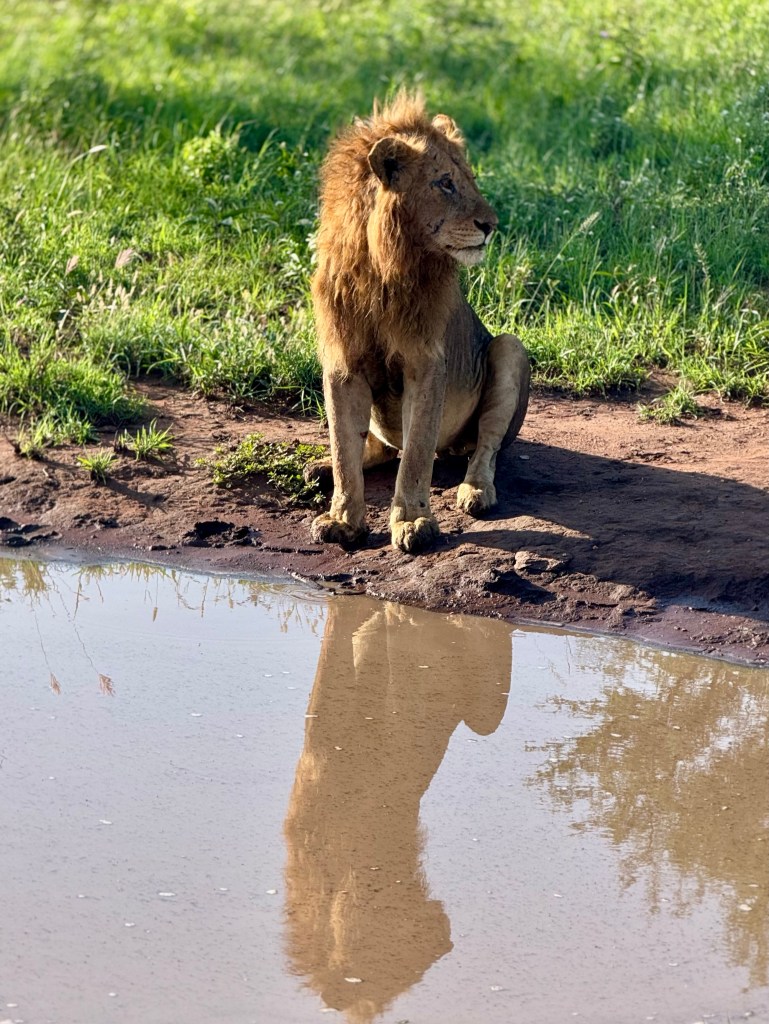
Two moved off to drink some puddle water.
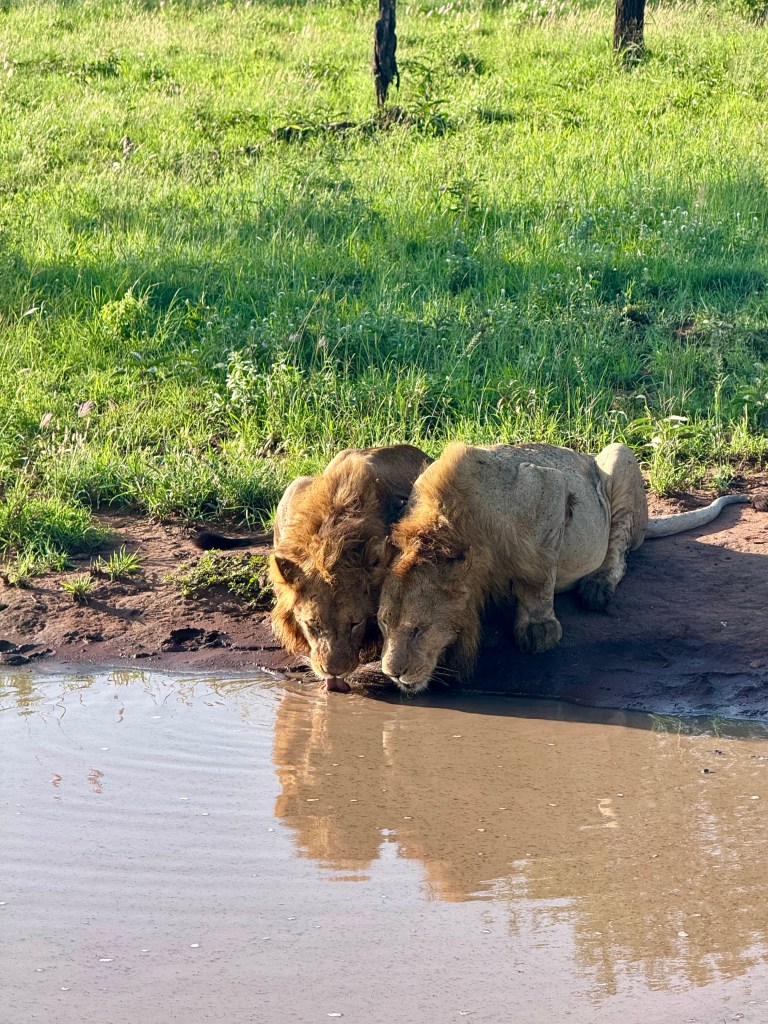
These two dangerous predators drinking together looked so cute!
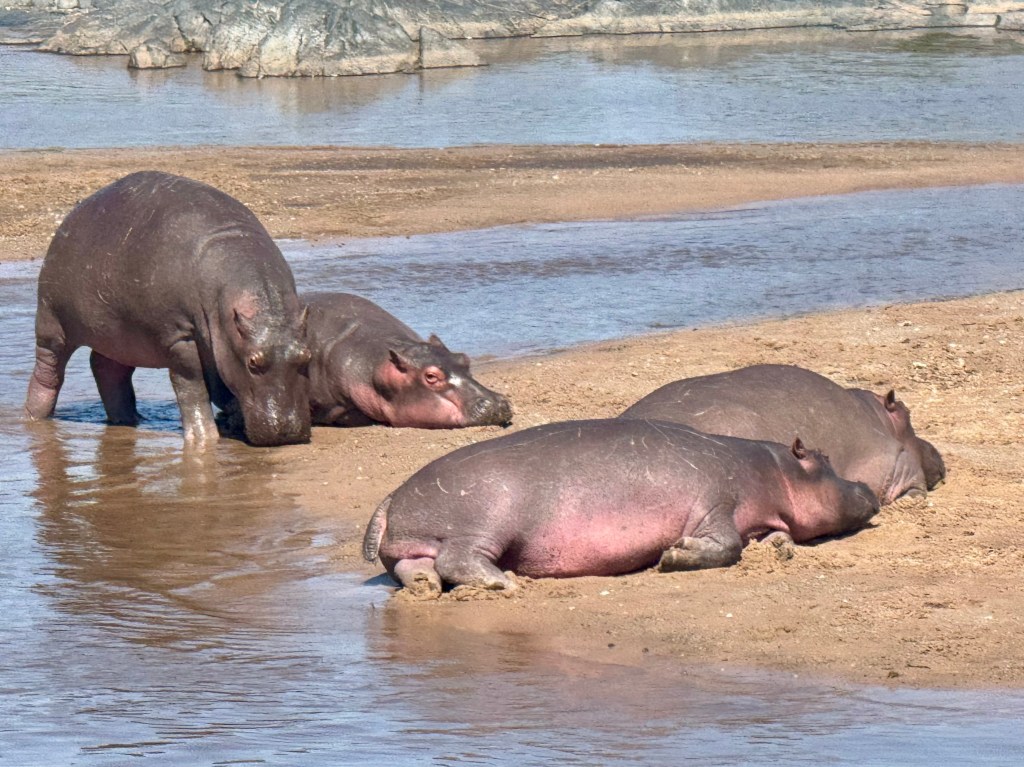
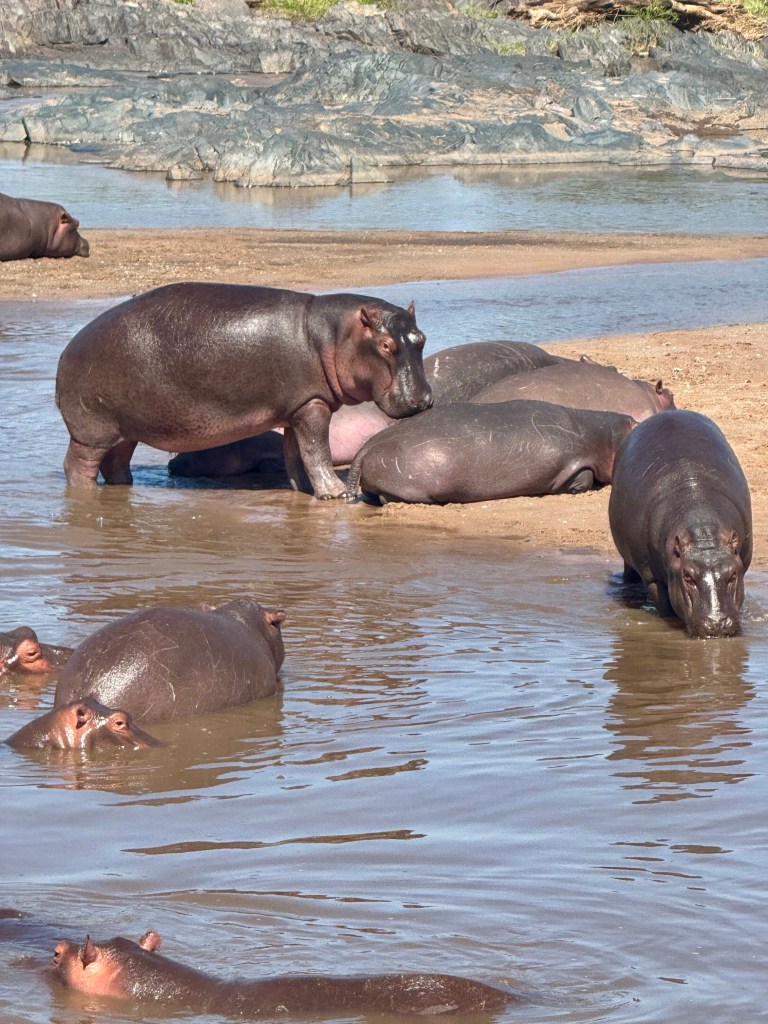
We moved on to see a large water source with so many hippopotamus in it that at first I thought they were large stones in the water.
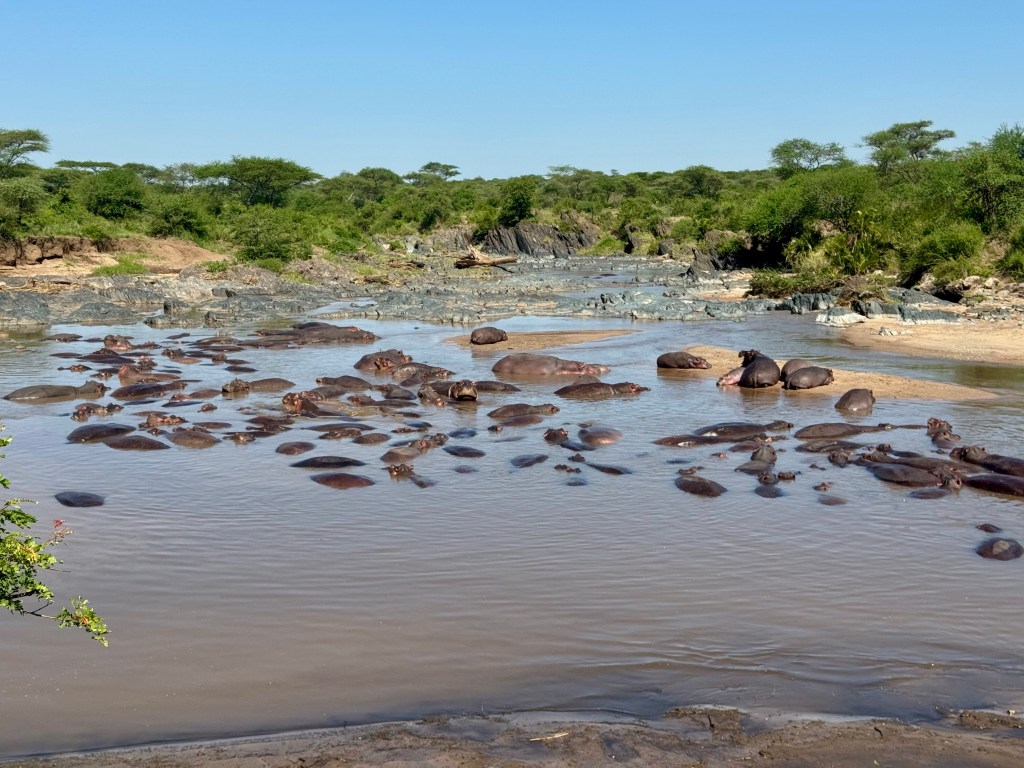
But the noise and their water flicking movements soon made it clear.
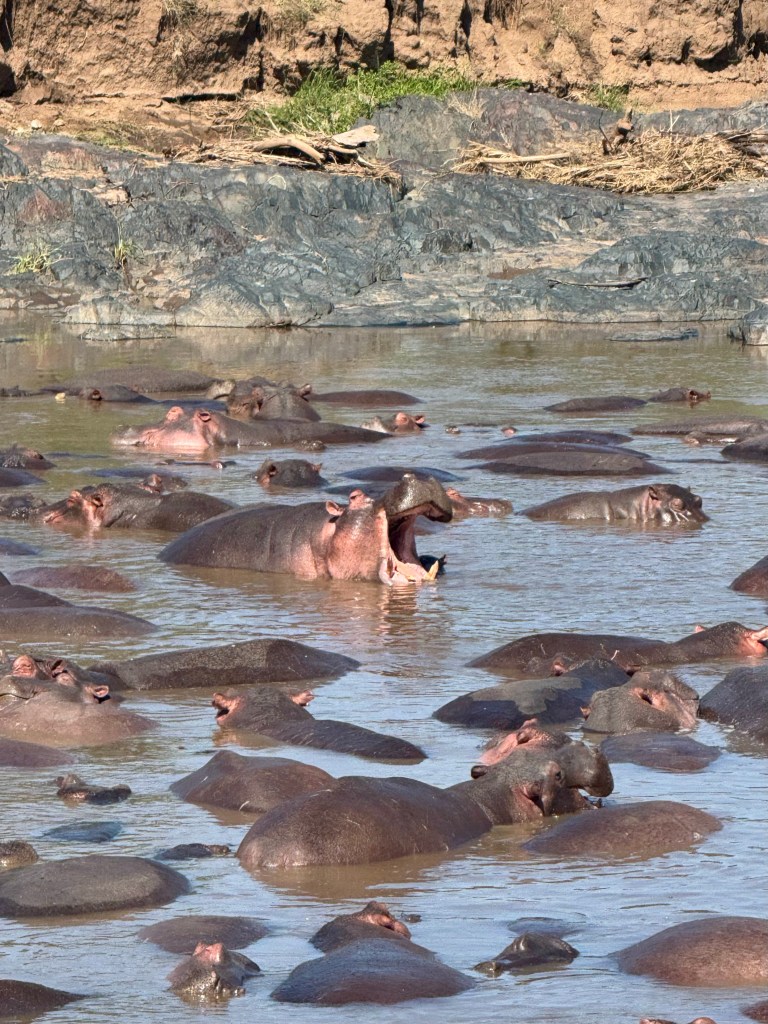
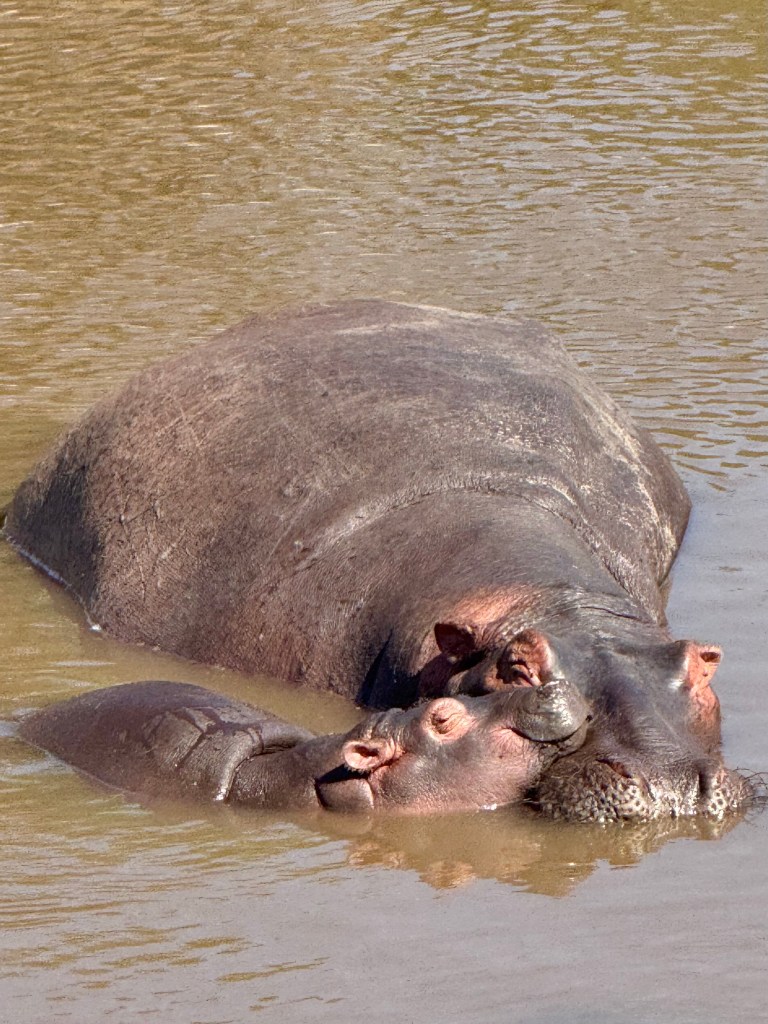
We have seen hippos before but never out of the water and with their young.
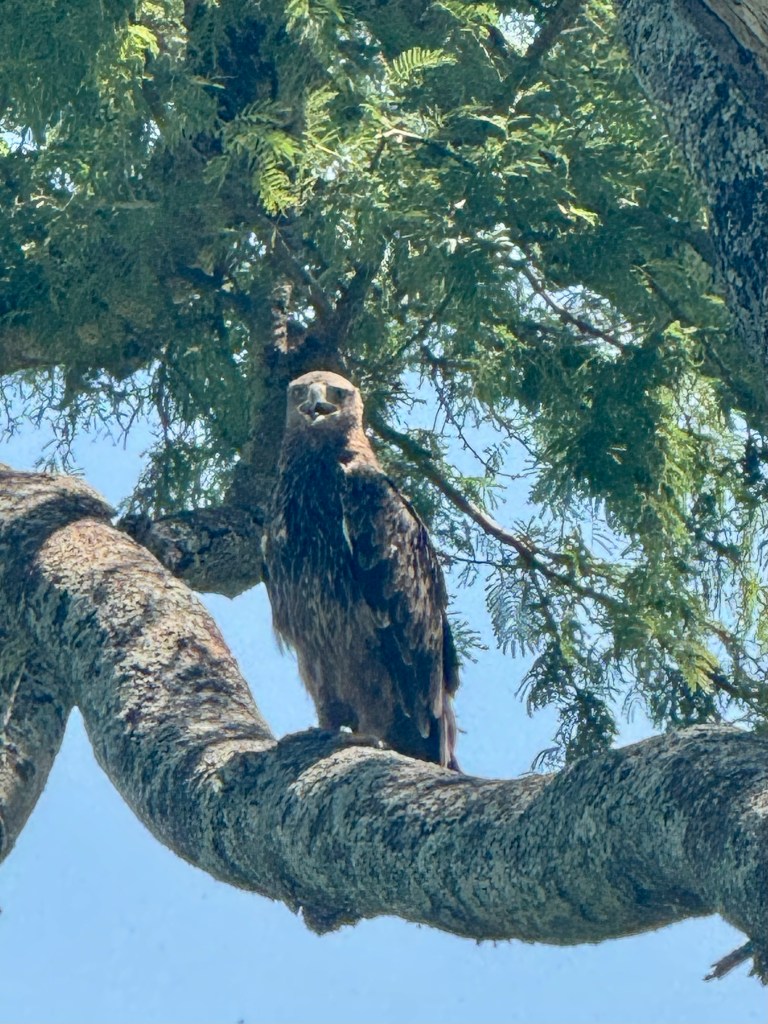
Below an eagle sits on a tree taking some shade from the hot midday sun.
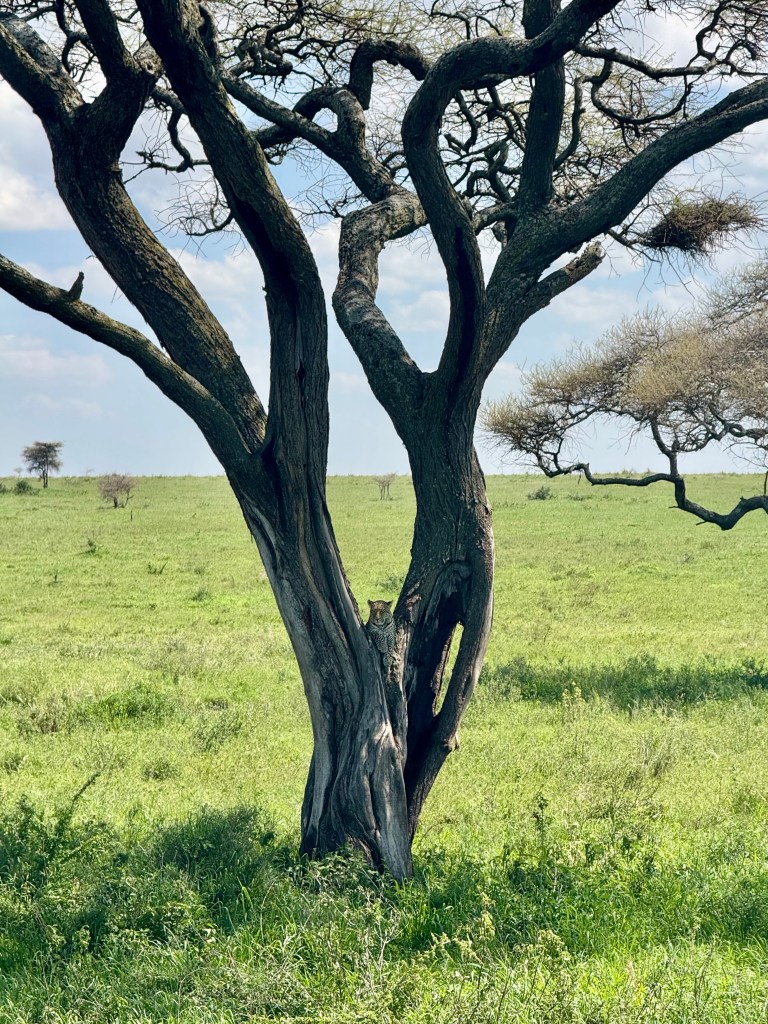
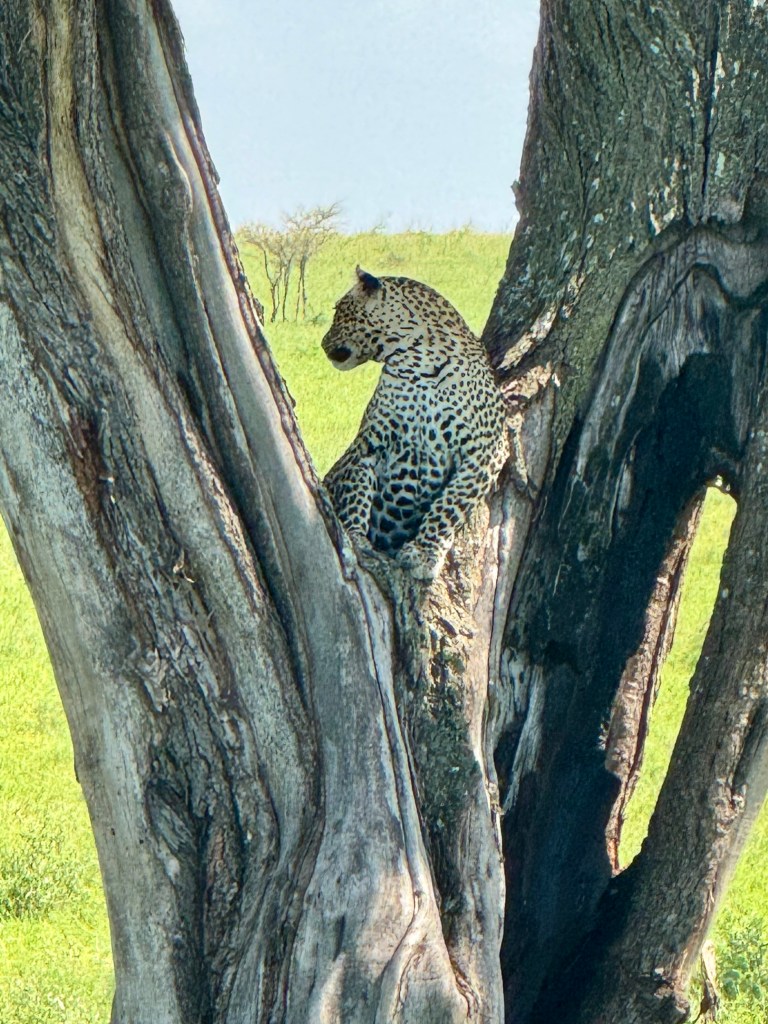
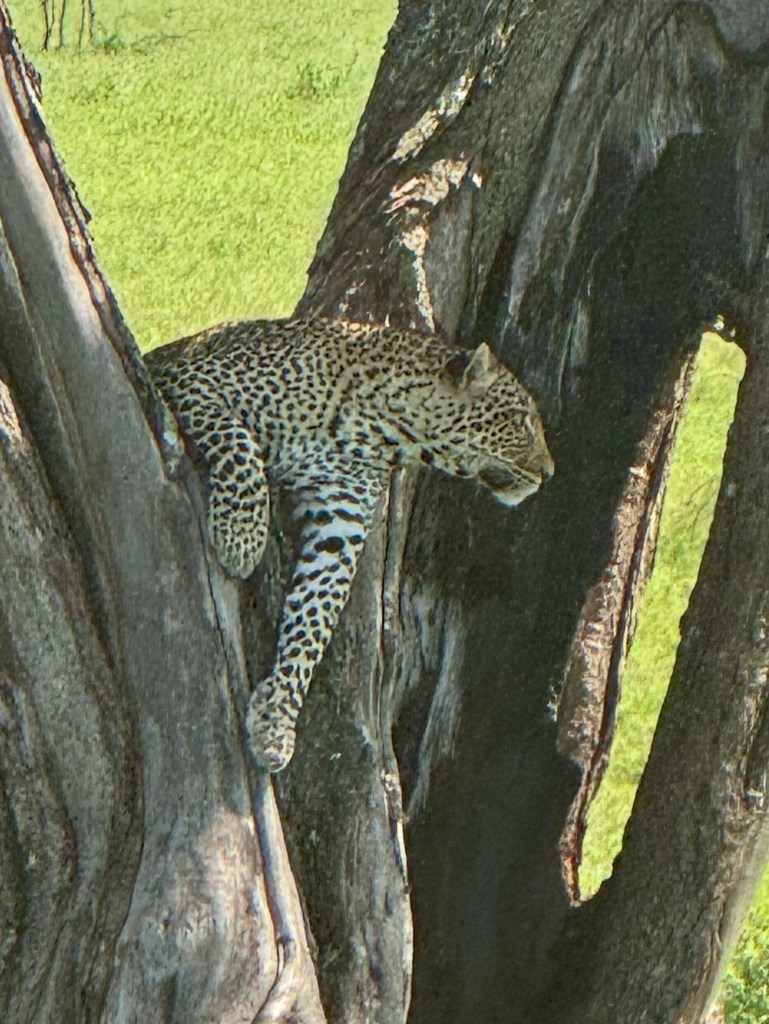
Next our guide spotted another leopard sat in a tree.

When we got back to camp that evening our guide took us at night back to the earlier buffalo kill site.
The lions had returned for another helping.
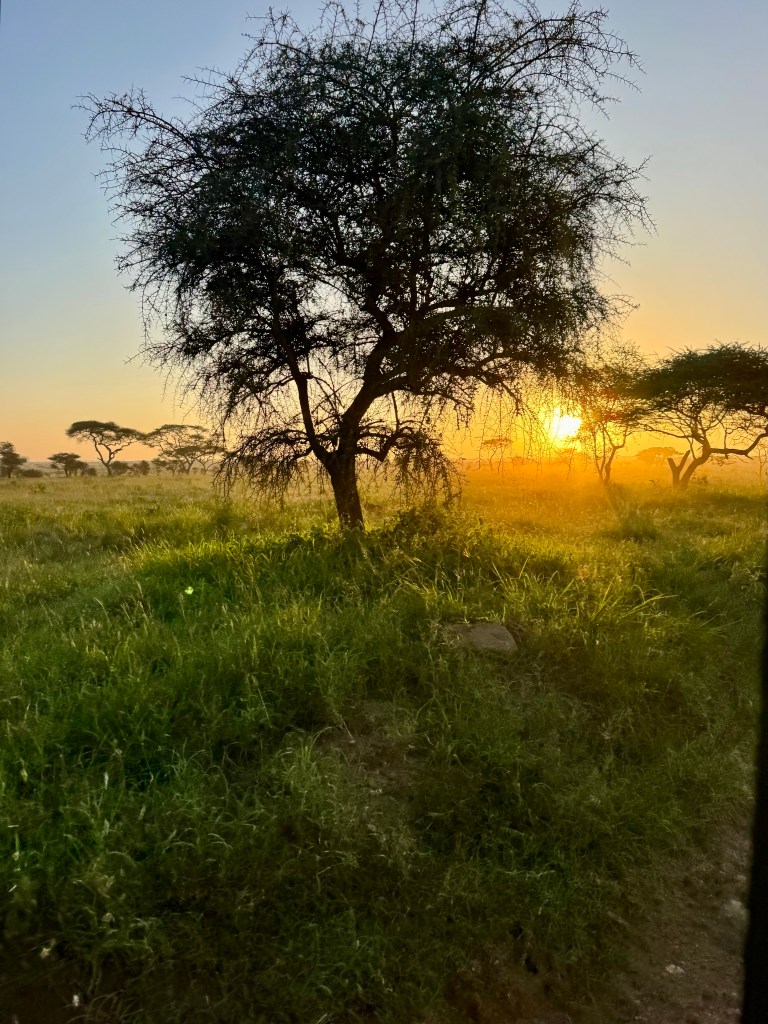
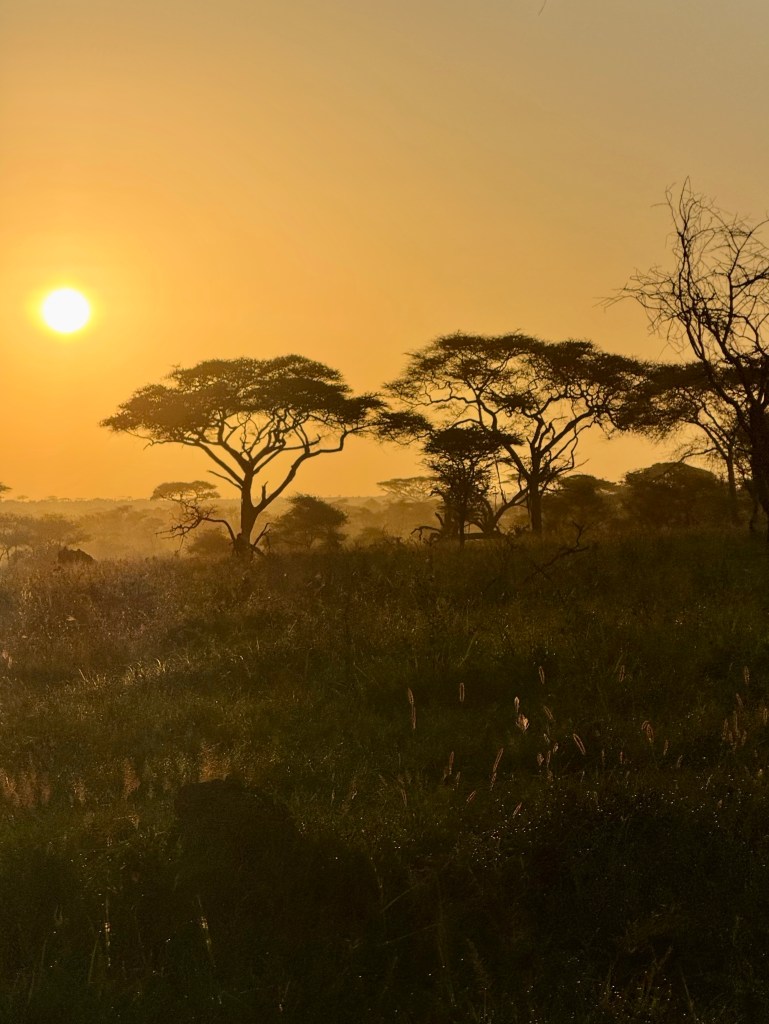
Our final morning in the Serengeti was met with another beautiful sunrise.
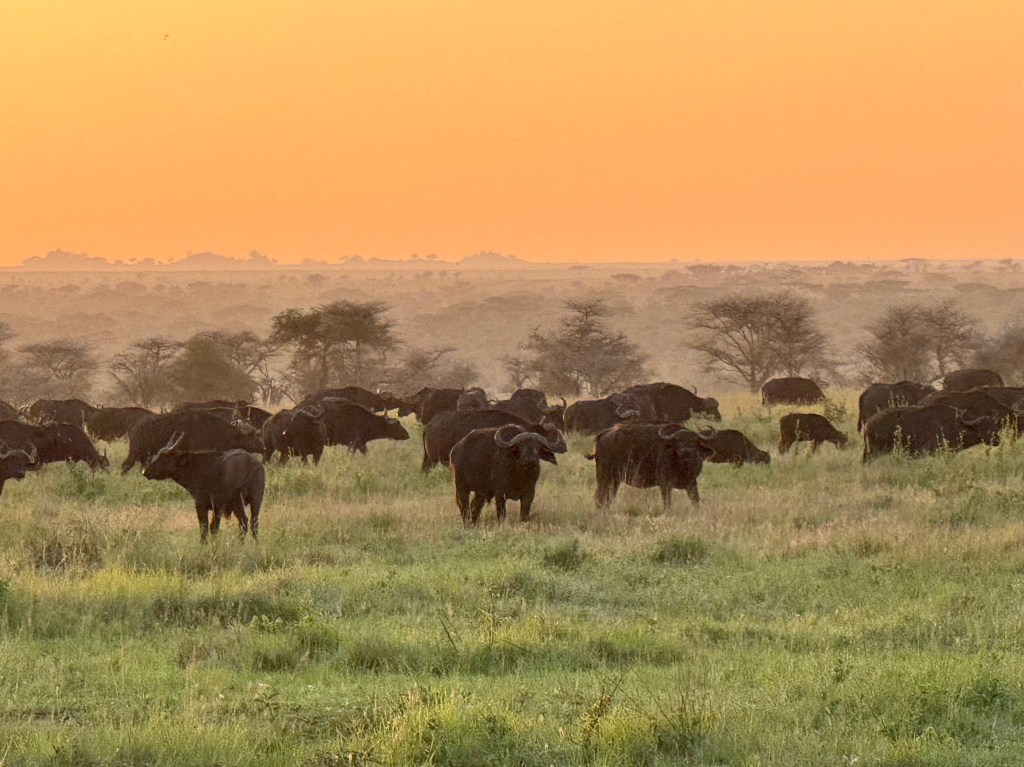
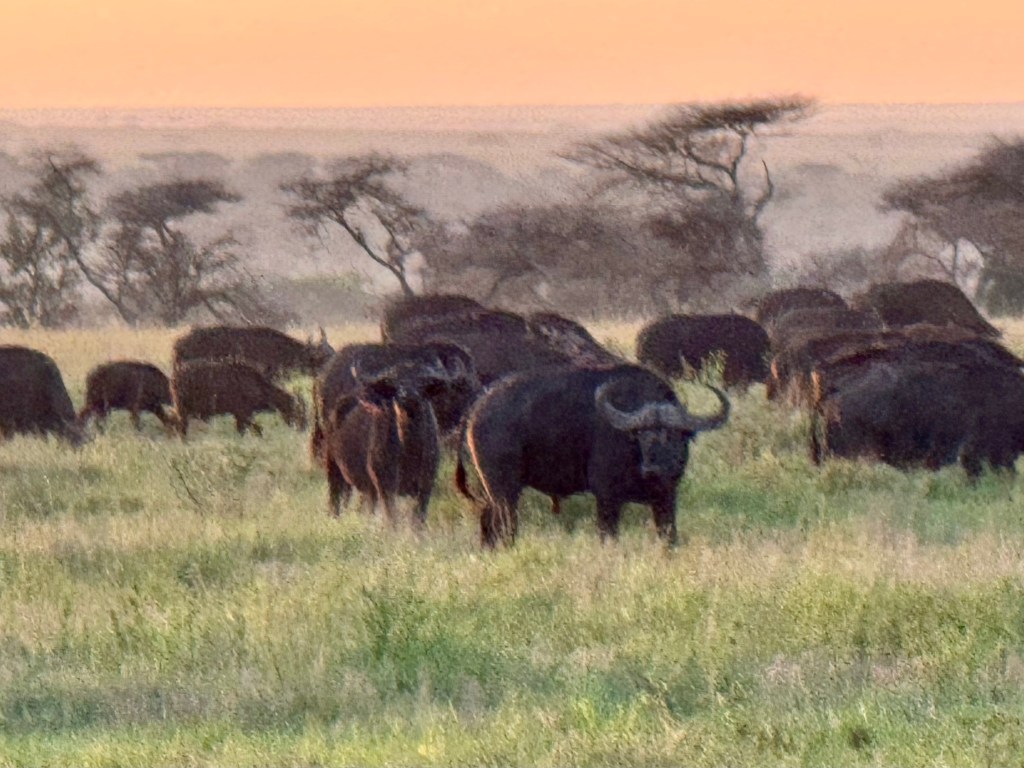
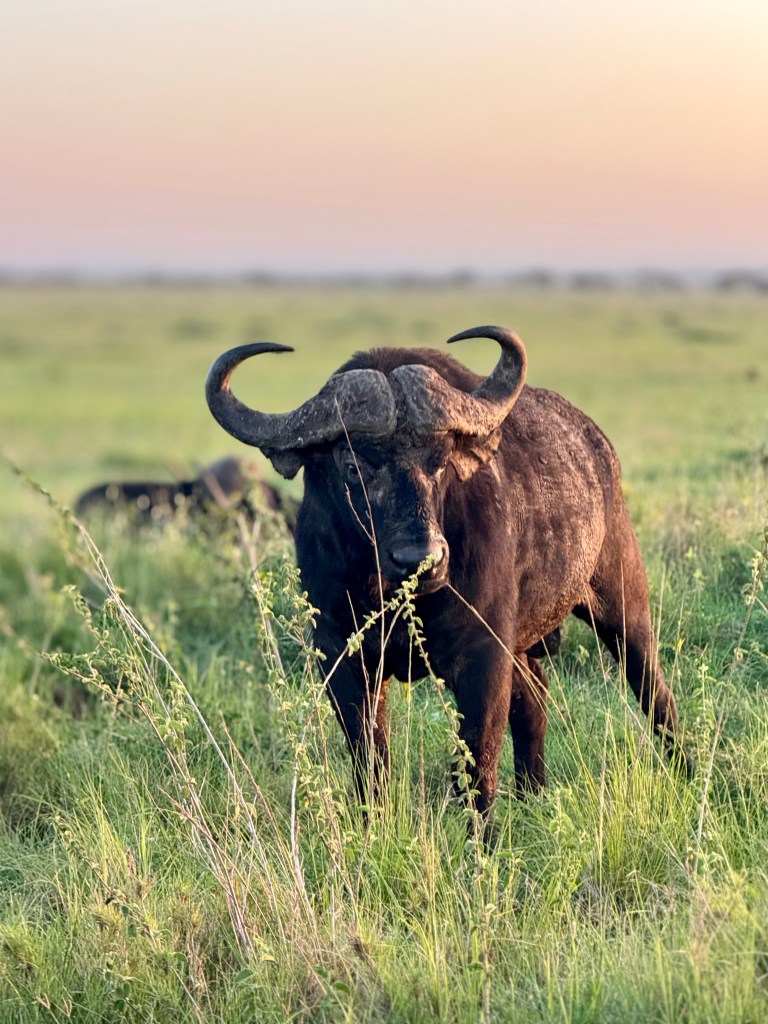
We past a large herd of buffalo, likely one less than the day before.
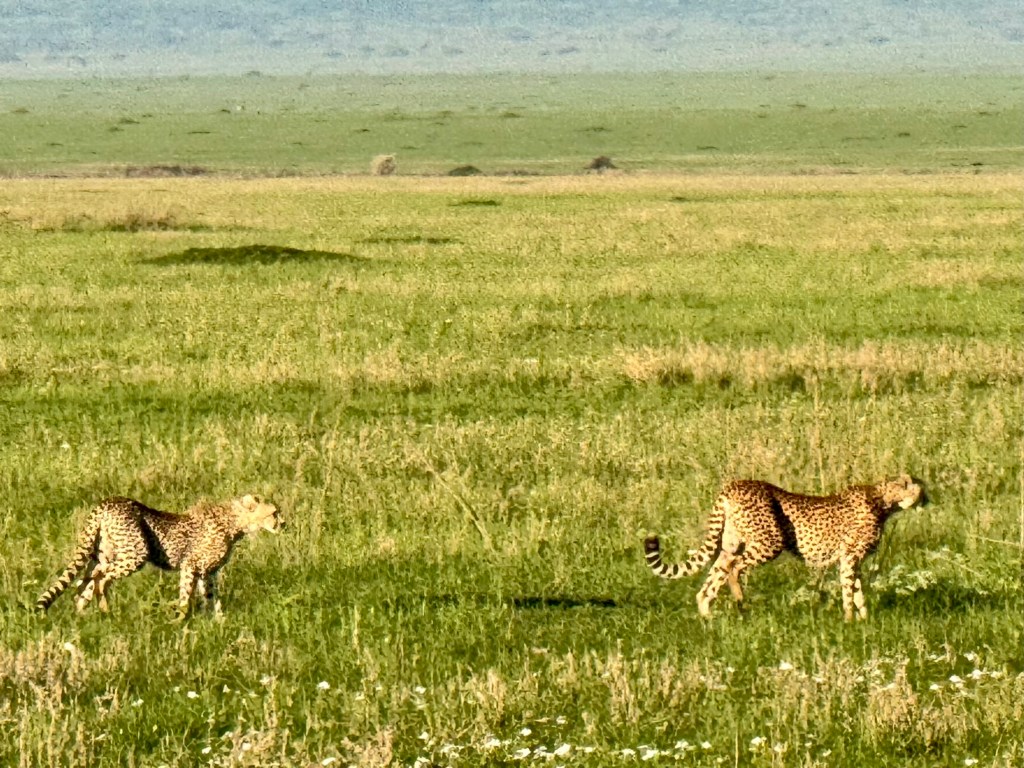
Within an hour we saw a cheetah in the grasses nearby.
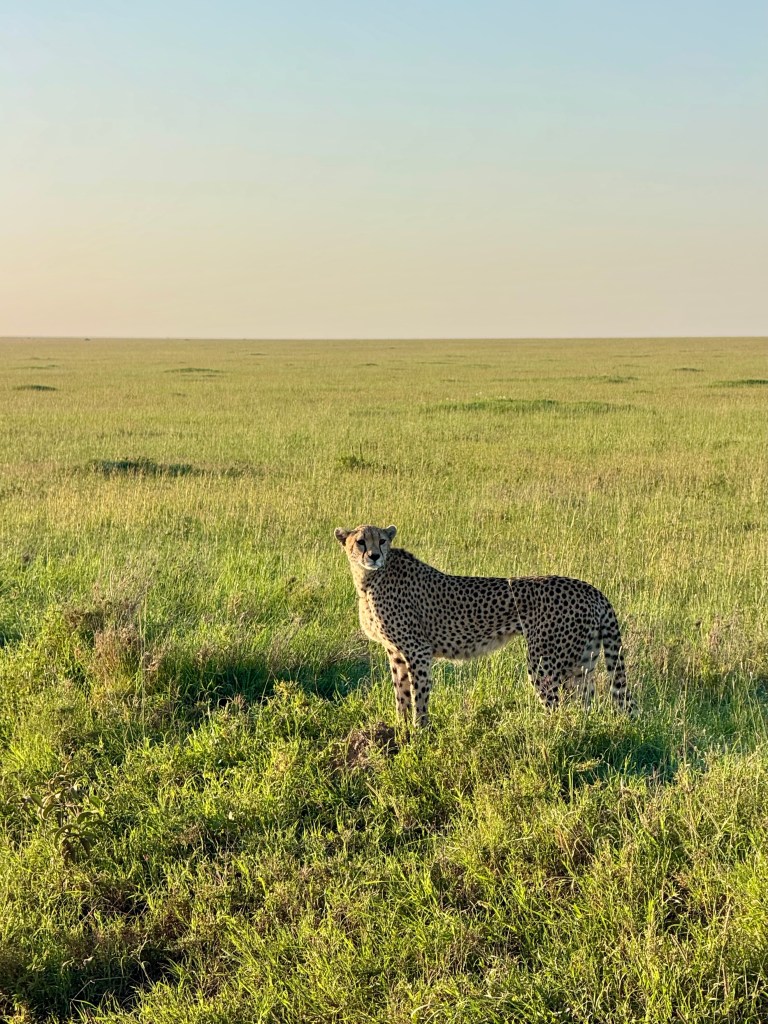

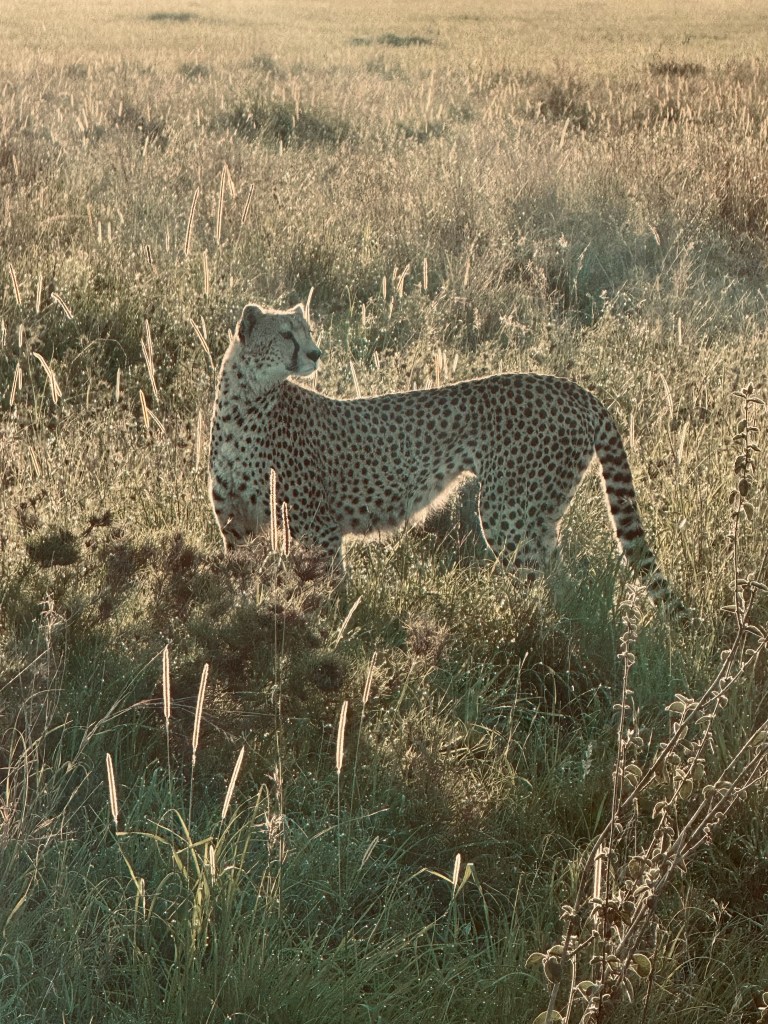
Suddenly another appeared alongside it.
As we left the park we encountered more migrating zebra and wildebeest.
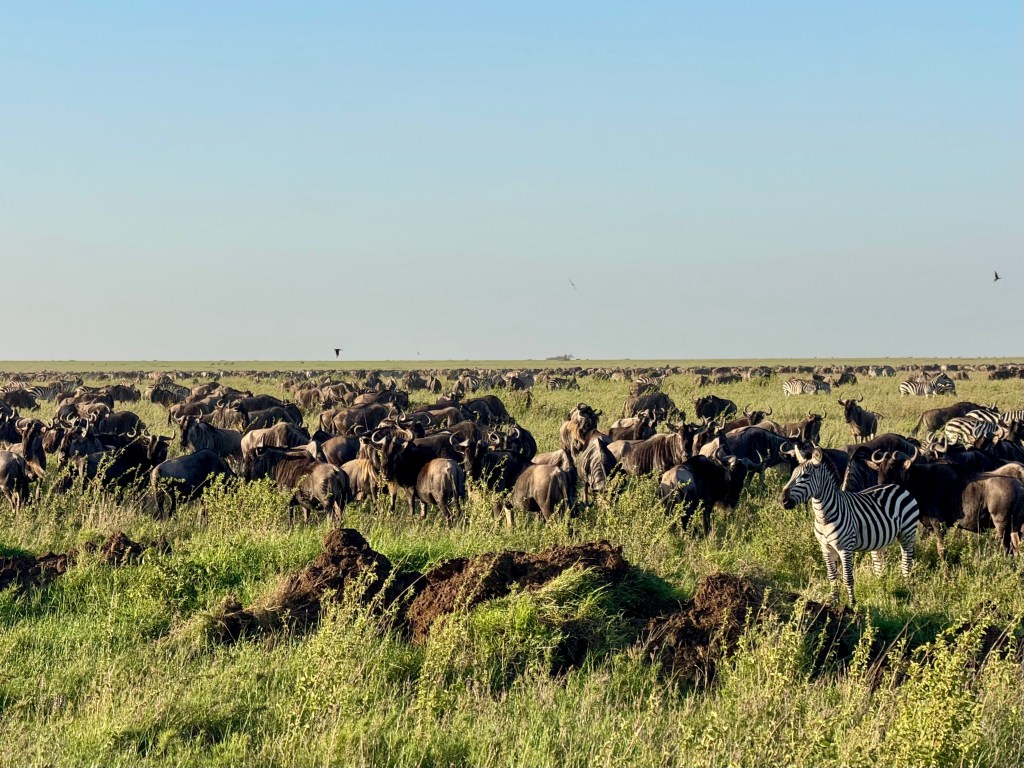
They were running across the roads in front and behind us. When they cross they run full force, leaping down onto the track and up onto the bank on the other side. Their young struggling to make the leaps and keep up with the herd.
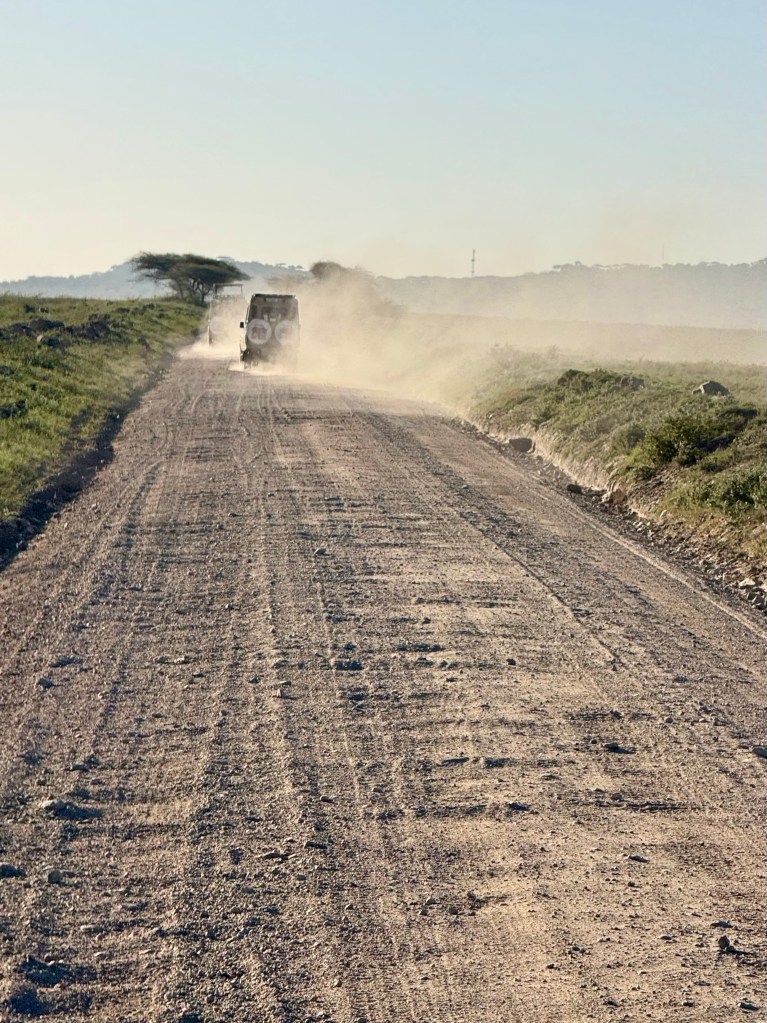
And so we left the magnificent Serengeti behind us, dust from the jeeps ahead and dust from our trail behind us.
Thank you Serengeti for such a magnificent show, we are truly humbled.
Our final safari is in the adjoining Ngorongoro Crater as we head back to Arusha where we began.
 Jeff's Travel And Photo Blog
Oh what fabulous experiences you are having! I have Been completely transported there from my office over looking Windsor Castle in a rather damp UK! 😀
LikeLike
WOW! What a fantastic experience Jeff . X
LikeLike